Steroid-related mechanisms in ocular health and disease: therapeutic effects, adverse events, and stress-related modulators. A narrative literature overview - Scorecard - MDSpire

Steroid-related mechanisms in ocular health and disease: therapeutic effects, adverse events, and stress-related modulators. A narrative literature overview

  • By

  • Fabio Scarinci

  • Giulio Pocobelli

  • Francesca Romana Patacchioli

  • July 3, 2026

  • 0 min

Share

Clinical Scorecard: Mechanisms of Steroid Impact on Eye Health and Disease: Therapeutic Benefits, Side Effects, and Stress-Related Influencers - A Comprehensive Literature Review

At a Glance

CategoryDetail
ConditionOcular health and disease
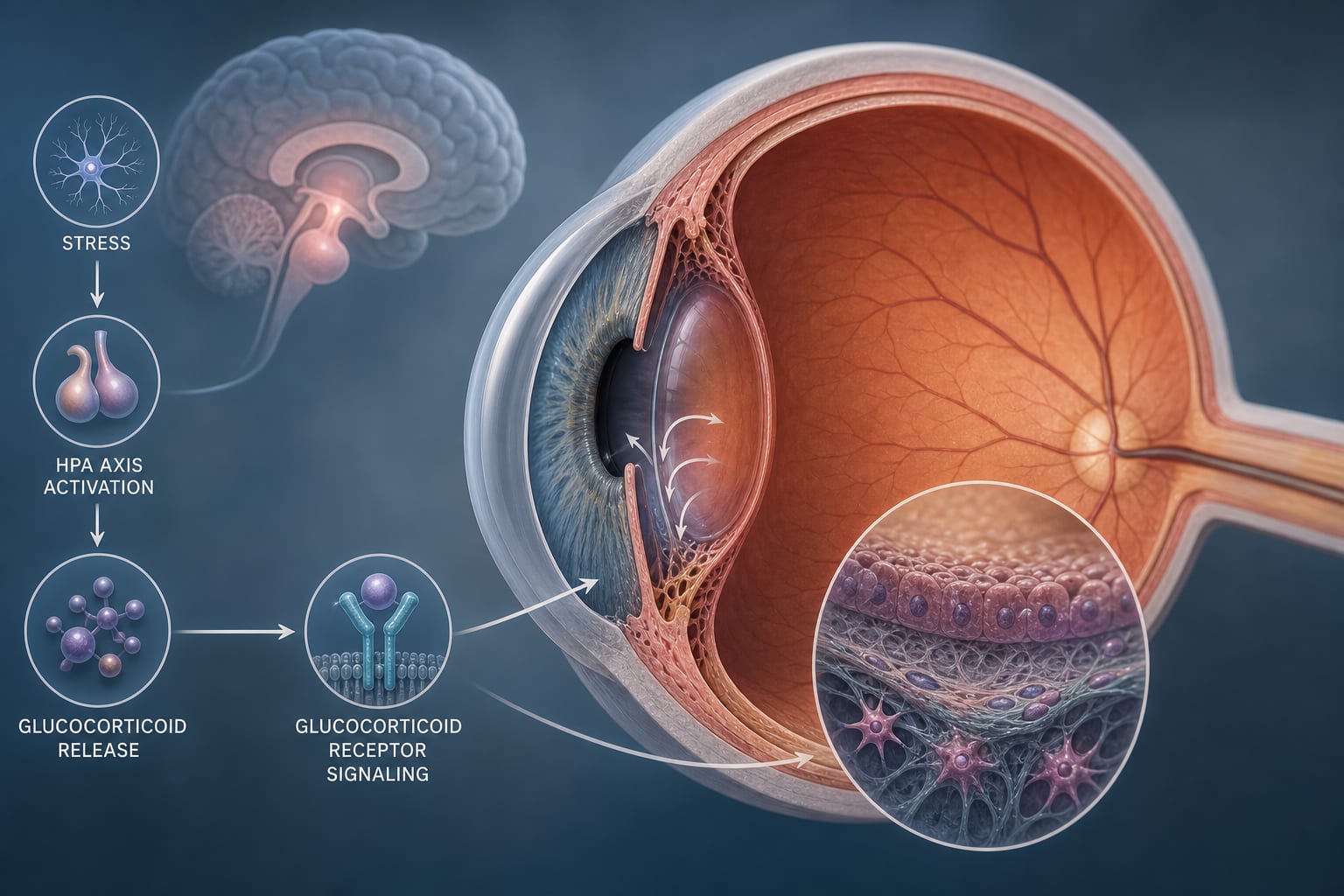
Key MechanismsNeuroendocrine dysregulation, glucocorticoid signaling, intraocular pressure regulation, inflammatory signaling
Target PopulationPatients with ocular disorders influenced by stress and glucocorticoid therapy
Care SettingOphthalmic care

Key Highlights

  • Stress-related neuroendocrine dysregulation linked to ocular disorders such as glaucoma and ocular surface disease.
  • Glucocorticoids are essential for managing inflammatory and immune-mediated ocular diseases.
  • Prolonged glucocorticoid use may lead to adverse effects including ocular hypertension and cataract formation.
  • Chronobiological factors may influence treatment efficacy and safety in ocular therapy.
  • Psychosocial stress impacts treatment adherence and quality of life in patients with chronic ocular conditions.

Guideline-Based Recommendations

Diagnosis

  • Consider stress-related factors in the assessment of ocular diseases.

Management

  • Optimize glucocorticoid therapy based on individual patient susceptibility and disease type.

Monitoring & Follow-up

  • Regularly monitor for adverse effects of glucocorticoid therapy, including intraocular pressure.

Risks

  • Be aware of risks such as delayed wound healing and increased infection susceptibility with glucocorticoid use.

Patient & Prescribing Data

Individuals with inflammatory and immune-mediated ocular disorders.

Personalized treatment approaches are recommended to minimize complications from glucocorticoid therapy.

Clinical Best Practices

  • Integrate psychosocial assessments into ophthalmic care.
  • Utilize advanced corticosteroid delivery systems to enhance therapeutic outcomes.
  • Adopt a multidisciplinary approach to manage ocular health effectively.

Related Resources & Content

    Original Source(s)

    Related Content