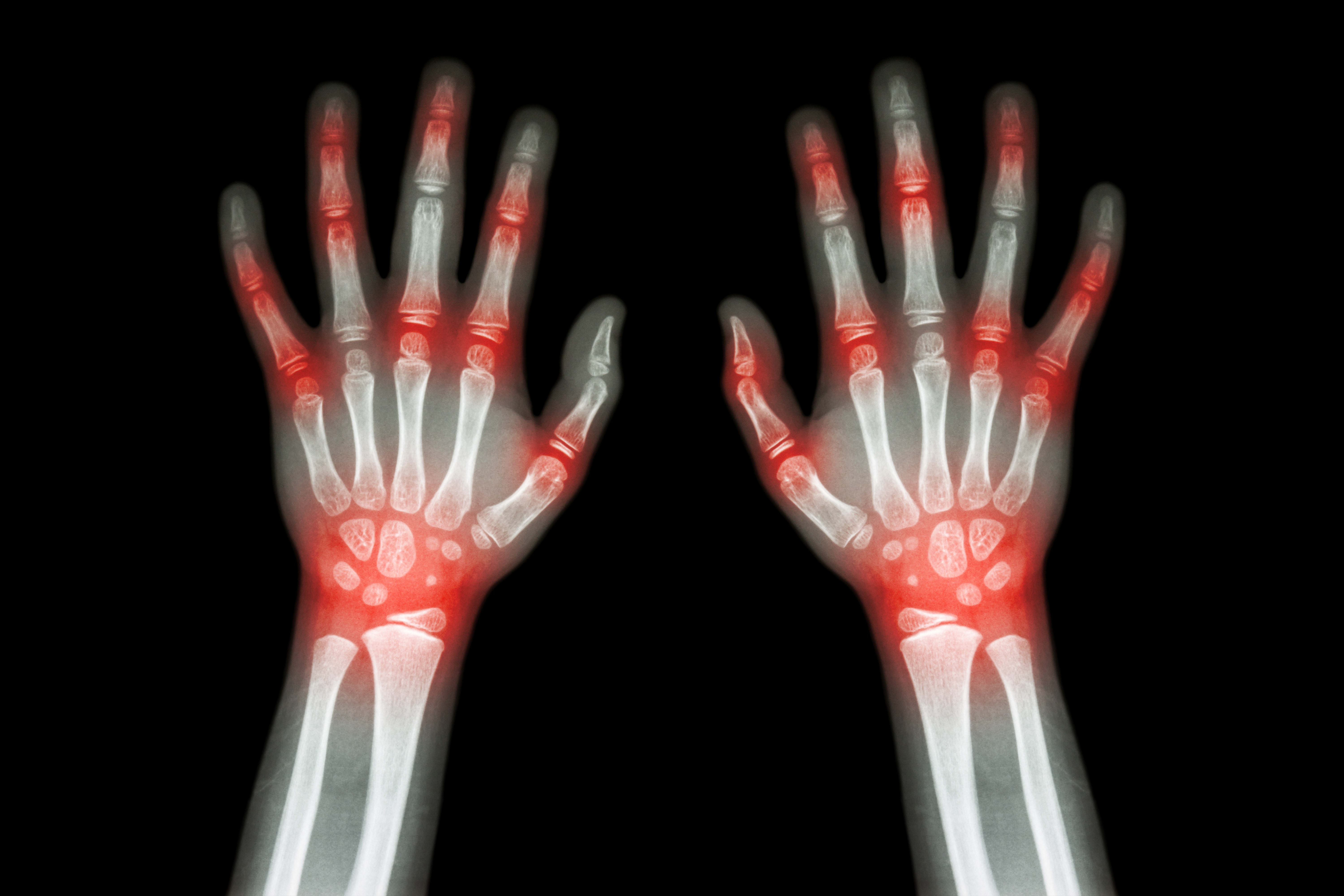
Peripheral Circadian Rhythms Disrupted Relative to the Central Circadian Regulator in a Mouse Model of Inflammatory Arthritis
Clinical Scorecard: Peripheral Circadian Rhythms Disrupted Relative to the Central Circadian Regulator in a Mouse Model of Inflammatory Arthritis
At a Glance
Category Detail
Condition Rheumatoid Arthritis (RA) Key Mechanisms Circadian rhythms and immune dysregulation linked to inflammatory arthritis. Target Population Adults with rheumatoid arthritis and mouse models. Care Setting Research laboratories studying inflammatory arthritis.
Key Highlights
RA affects approximately 1.5 million adults in the U.S. Daily cytokine flares in RA typically peak in the morning. K/BxN serum transfer model used to study RA progression. Total daily activity is a sensitive measure of disease state. Inflammation disrupts local circadian clocks in affected joints. Guideline-Based Recommendations
Diagnosis
Monitor ankle thickness and locomotor activity to assess disease progression. Management
Consider dexamethasone treatment to evaluate its effects on disease measures. Monitoring & Follow-up
Use continuous actigraphy for noninvasive monitoring of RA progression. Risks
Disruption of circadian rhythms may increase the risk of inflammatory arthritis. Patient & Prescribing Data
Mouse models of rheumatoid arthritis.
Dexamethasone administered at 10 mg/kg/day showed effects on disease measures.
Clinical Best Practices
Utilize passive infrared sensors for continuous monitoring of locomotion. Assess disease onset and recovery based on locomotion thresholds. Related Resources & Content