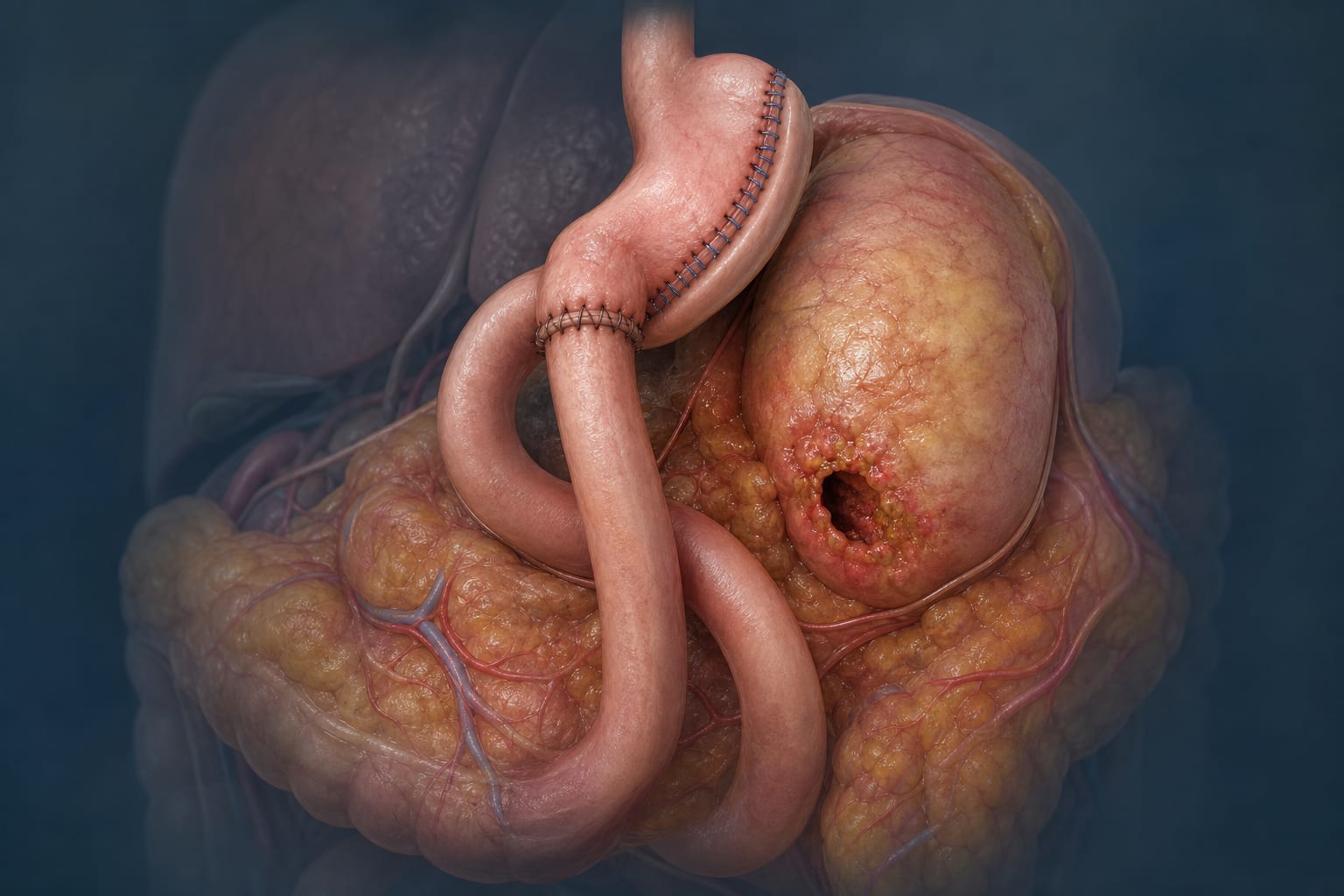
Adults eligible for bariatric surgery with documented chronotype classification
Care Setting
Bariatric surgery outpatient clinic with multidisciplinary assessment
Key Highlights
Chronotype categorized as morning, intermediate, or evening types based on rMEQ scores influences eating behaviors and metabolic profiles.
Evening chronotype individuals tend to consume more calories later in the day, with higher saturated fat intake and lower fruit/vegetable consumption.
The study investigates associations between chronotype and bariatric surgery outcomes including weight loss and biochemical parameters at baseline, 6, and 12 months post-surgery.
Guideline-Based Recommendations
Diagnosis
Assess chronotype using validated instruments such as the reduced Morningness-Eveningness Questionnaire (rMEQ) prior to bariatric surgery.
Perform comprehensive baseline anthropometric and biochemical evaluations according to standardized protocols.
Management
Consider chronotype-related behavioral patterns when planning post-bariatric surgery dietary and lifestyle interventions.
Adhere to 2023 SICOB consensus guidelines for bariatric surgery eligibility and management.
Monitoring & Follow-up
Monitor anthropometric parameters (body weight, BMI, waist circumference) at baseline, 6 months, and 12 months post-surgery.
Evaluate percentage excess weight loss (%EWL) and percentage initial body weight loss (%IBWL) as primary outcome measures.
Risks
Evening chronotype may be associated with less favorable eating behaviors potentially impacting weight loss outcomes.
Variability in chronotype adaptation to strict post-surgical lifestyle changes may influence long-term success.
Patient & Prescribing Data
Patients undergoing bariatric surgery with documented chronotype classification and minimum 12-month follow-up
Chronotype may modulate response to bariatric surgery through behavioral and metabolic pathways; however, conclusive evidence on its impact on surgical outcomes is pending.
Clinical Best Practices
Incorporate chronotype assessment into preoperative evaluation to tailor postoperative dietary and lifestyle counseling.
Use standardized anthropometric measurement techniques for consistent monitoring.
Apply multidisciplinary approach including medical, nutritional, and psychological assessments for comprehensive care.
Educate patients on the potential influence of circadian rhythms on eating behaviors and weight management.
Researchers urge caution in interpreting joint replacement predictors, noting that surgery reflects access and decision-making as well as disease biology.