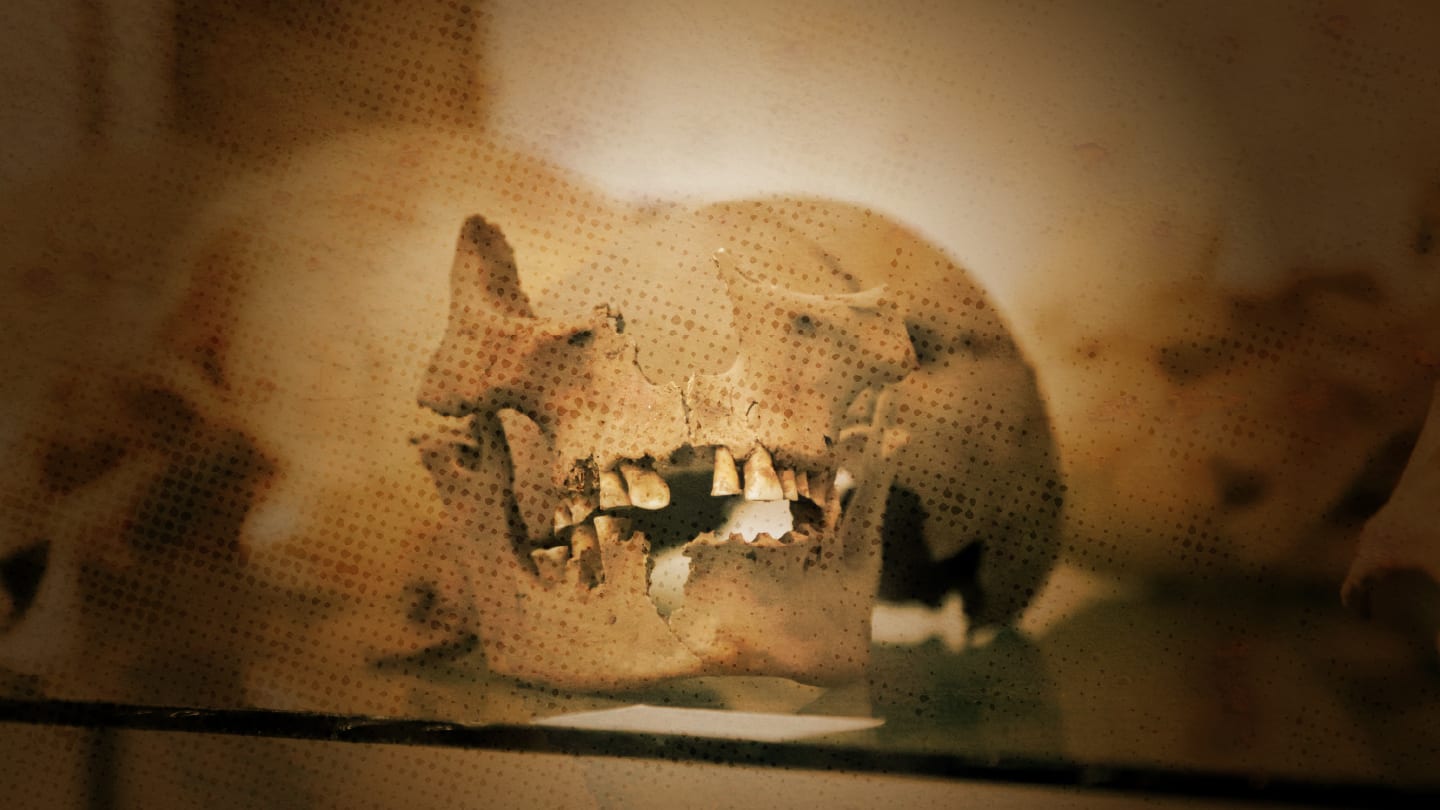
What Medieval Bones Reveal
Tuberculosis and leprosy left skeletal traces – but not distinct burial patterns
Clinical Scorecard: What Medieval Bones Reveal
At a Glance
| Category | Detail |
|---|
| Condition | Osteoarchaeological analysis of medieval skeletal remains |
| Key Mechanisms | Assessment of skeletal evidence for leprosy and tuberculosis using diagnostic criteria and spatial distribution analysis |
| Target Population | Medieval Danish populations (1050-1536 AD) |
| Care Setting | Cemeteries in urban and rural settings |
Key Highlights
- Burial location correlated more with social status than disease status.
- Leprosy patients were largely absent from urban parish cemeteries.
- Tuberculosis was found in both urban and rural populations without differential burial treatment.
- No significant mortality difference between individuals with and without leprosy.
- Individuals with tuberculosis showed longer survivorship than those without lesions.
Guideline-Based Recommendations
Diagnosis
- Use established diagnostic criteria based on characteristic bone lesions for leprosy and tuberculosis.
Management
- Consider historical context of care and burial practices for individuals with infectious diseases.
Monitoring & Follow-up
- Assess skeletal evidence to understand disease burden and survivorship.
Risks
- Social and institutional factors may influence burial practices over disease status.
Patient & Prescribing Data
Individuals from medieval Danish cemeteries with skeletal evidence of leprosy and tuberculosis.
Historical use of leprosy hospitals for care and burial of affected individuals.
Clinical Best Practices
- Incorporate social status considerations in the analysis of burial practices.
- Utilize spatial distribution analysis to understand disease prevalence and treatment.
References