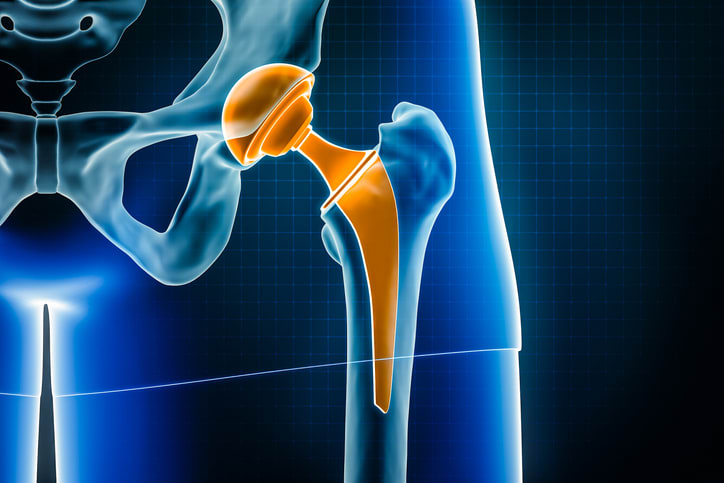
Can visual feedback improve gait symmetry after THA?
-
By
-
Andrea Surnit
-
November 13, 2026
-
4 min
Clinical Scorecard: Can visual feedback improve gait symmetry after THA?
At a Glance
| Category | Detail |
|---|---|
| Condition | Clinical topic addressed by the source article: Can visual feedback improve gait symmetry after THA? |
| Key Mechanisms | The study compared visual feedback–based technology-assisted gait training plus conventional physiotherapy with conventional physiotherapy alone, assessing gait performance and pelvic kinematics. |
| Target Population | Patients or participants described in the source article. |
| Care Setting | Care setting described in the source article. |
Key Highlights
- In this randomized study, visual feedback–based rehabilitation plus conventional therapy was compared with conventional physiotherapy alone.
- At 6 weeks, mean gait speed was 0.83 m/s with visual feedback rehabilitation and 0.74 m/s with conventional therapy; the between-group difference was 0.09 m/s.
- Gait symmetry and measured pelvic movement improved more in the visual feedback group.
- Pain and Barthel Index outcomes improved comparably in both groups; Functional Ambulation Category scores also improved, with no significant between-group difference.
- The 0.09-m/s gait-speed difference was below the commonly reported THA minimal clinically important difference of 0.10 to 0.14 m/s.
Guideline-Based Recommendations
Diagnosis
- The study assessed gait performance and pelvic kinematics at baseline and after 6 weeks using a G-WALK inertial sensor.
- Secondary measures included pain intensity (Visual Analog Scale), functional independence (Barthel Index), and ambulation capacity (Functional Ambulation Category).
Management
- The visual feedback group received 30 minutes of technology-assisted training followed by 30 minutes of conventional therapy, 5 days per week for 6 weeks.
- The comparison group received 60 minutes of conventional physiotherapy on the same schedule.
Monitoring & Follow-up
- Study evaluations included gait speed, cadence, symmetry, pelvic movement, pain, functional independence, and ambulation capacity.
- Assessments were conducted by independent evaluators blinded to treatment allocation.
Risks
- The study had a modest sample from one inpatient rehabilitation center and included only patients treated through a direct lateral approach.
- Outcomes were measured only at 6 weeks, so persistence of the observed differences is unknown.
- Exploratory multivariate and clustering analyses were conducted post hoc without prespecified power calculations; secondary gait comparisons were not adjusted for multiple testing.
- Reported between-group differences did not meet the stricter statistical threshold specified in the study tables.
Patient & Prescribing Data
Adults aged 55 to 80 years undergoing unilateral THA through a direct lateral approach; 90 patients were randomized, with no losses to follow-up.
Visual feedback rehabilitation was added to conventional therapy for 6 weeks. The study reported greater improvement in objective gait measures in the visual feedback group. The 0.09-m/s gait-speed difference was below the commonly reported 0.10-to-0.14-m/s minimal clinically important difference after THA. Clinical outcomes improved comparably between groups, with no significant between-group difference in ambulation category.
Clinical Best Practices
- The study had a 6-week follow-up, a modest sample from one inpatient rehabilitation center, and included only patients treated through a direct lateral approach.
- Objective gait measures improved more in the visual feedback group, while clinical outcomes improved comparably between groups.
- The authors called for medium- to long-term follow-up to determine whether early advantages persist over 6 to 12 months.
Related Resources & Content
Based on findings from:
Can visual feedback improve gait symmetry after THA?
Andrea Surnit. MDSpire News, 2026.
https://news.mdspire.com/orthopedic-medicine/articles/can-visual-feedback-improve-gait-symmetry-after-tha/
This content is an AI-generated, fully rewritten summary based on a published scholarly article. It does not reproduce the original text and is not a substitute for the original publication. Readers are encouraged to consult the source for full context, data, and methodology.