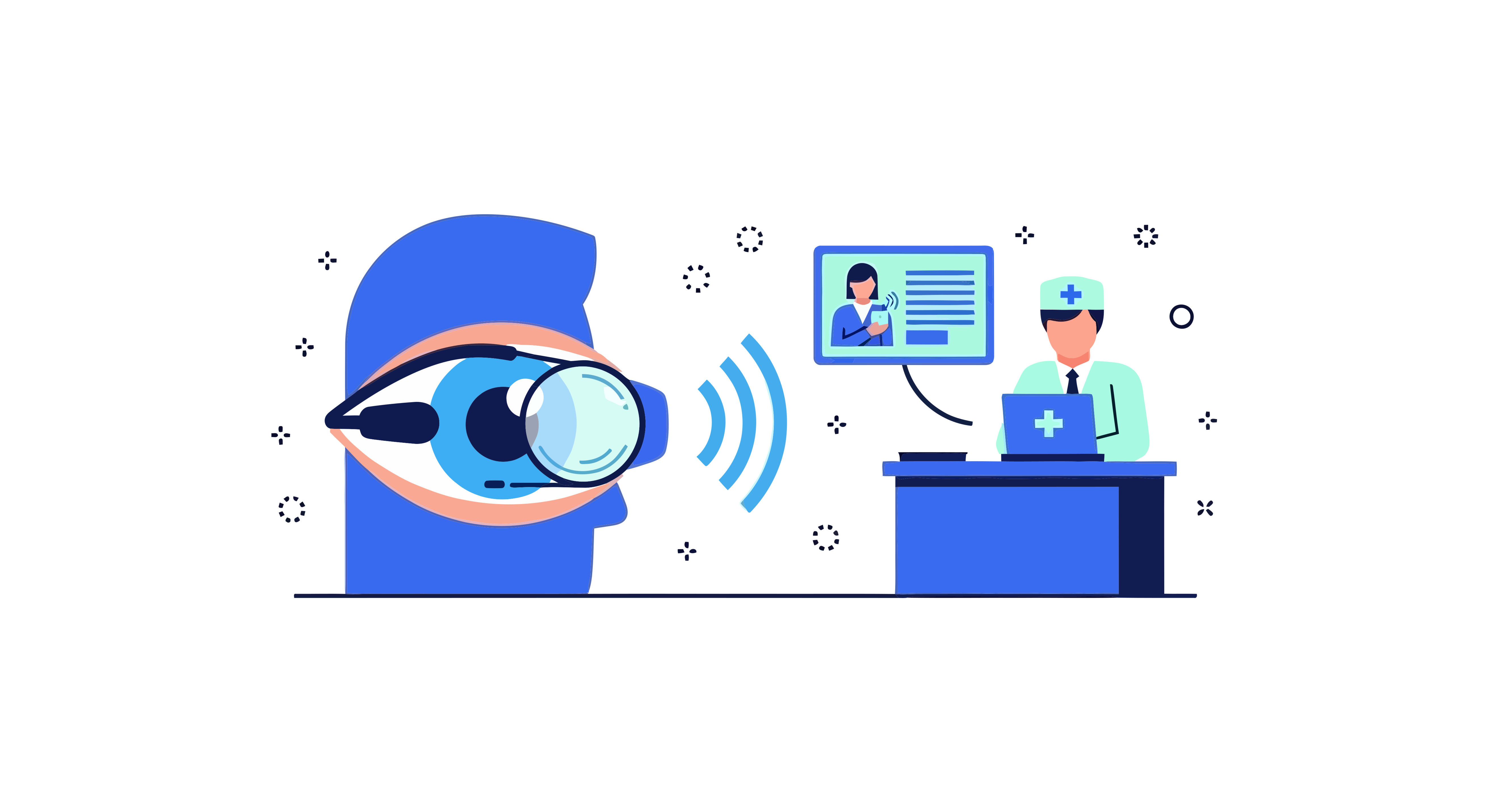
Dry Eye Dx and Tx: <br>Telehealth Enters the Dry Eye Arena</br>
-
By
-
Tiffany Andrzejewski, OD
-
September 1, 2026
-
Clinical Scorecard: Dry Eye Dx and Tx: Telehealth Enters the Dry Eye Arena
At a Glance
| Category | Detail |
|---|
| Condition | Dry Eye Disease (DED) |
| Key Mechanisms | Loss of homeostasis in the ocular surface leading to discomfort and visual disturbance. |
| Target Population | Approximately 16 million Americans affected by dry eye disease. |
| Care Setting | Telehealth platforms for remote assessment and management. |
Key Highlights
- Many patients delay seeking care for dry eye symptoms, often self-treating until symptoms worsen.
- Teleoptometry is effective for managing refills and monitoring symptoms in diagnosed patients.
- The Ocular Surface Disease Index (OSDI) is a validated tool for assessing dry eye symptoms.
- A hybrid model of care combining telehealth and in-person exams is recommended for optimal management.
- Conditions mimicking dry eye require in-person exams for accurate diagnosis.
Guideline-Based Recommendations
Diagnosis
- Diagnosis of DED requires symptoms and at least one sign of loss of homeostasis.
Management
- Use of telehealth for monitoring and managing patients already diagnosed with DED.
Monitoring & Follow-up
- Remote follow-up using validated questionnaires like OSDI for treatment response.
Risks
- Poor image quality in telehealth assessments may impact diagnostic accuracy.
Patient & Prescribing Data
Patients with diagnosed dry eye disease.
Common treatments include cyclosporine 0.05% ophthalmic emulsion and preservative-free artificial tears.
Clinical Best Practices
- Start with a telehealth visit for symptom review, followed by an in-person exam.
- Utilize validated questionnaires for remote assessments.
- Ensure telehealth supports rather than replaces comprehensive eye care.
Related Resources & Content