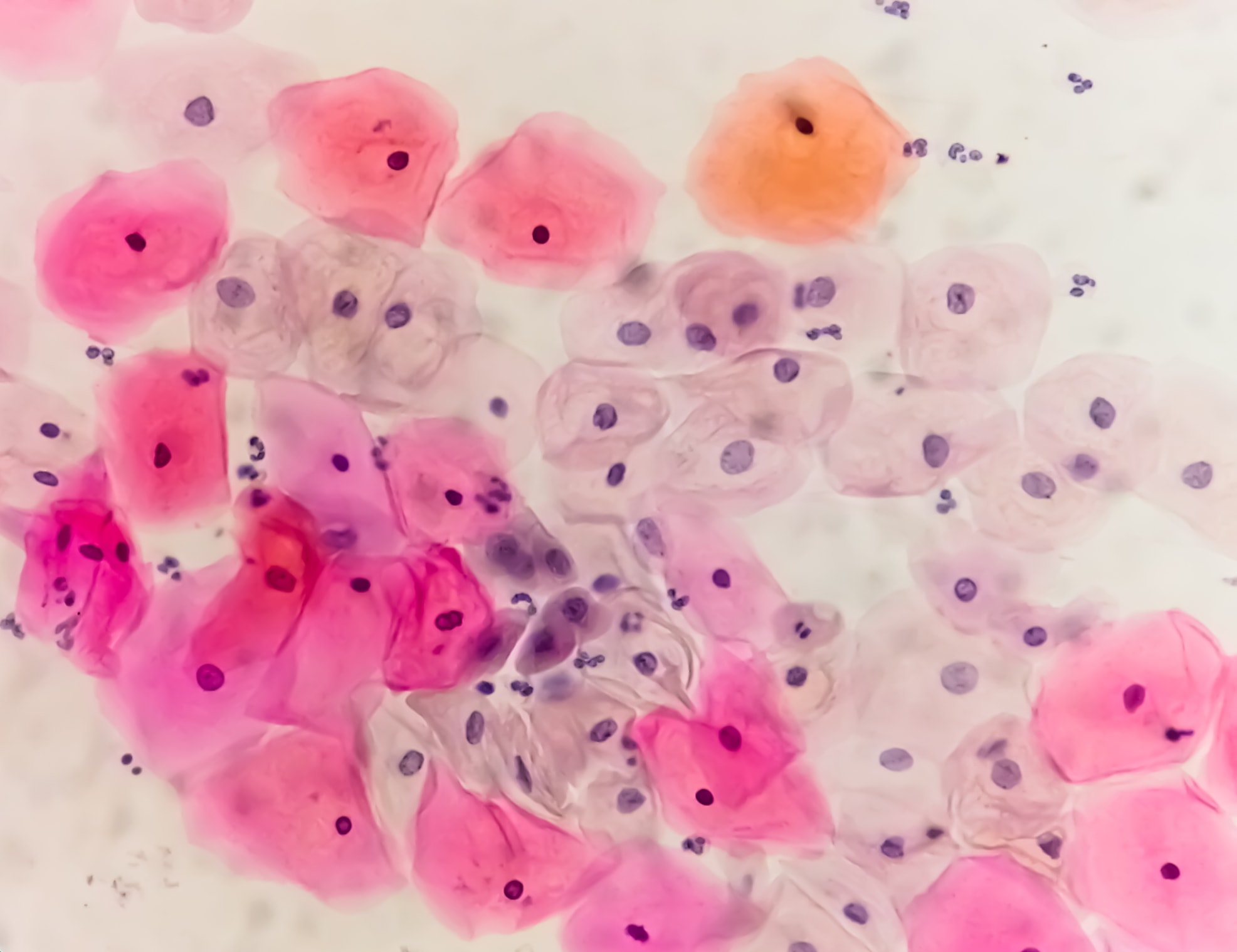
Clinical Scorecard: Timing of Human Papillomavirus Infection Acquisition Linked to High-Grade Cervical Intraepithelial Neoplasia (CIN2+) in England
At a Glance
Category
Detail
Condition
High-grade cervical intraepithelial neoplasia (CIN2+) caused by HPV infection
Key Mechanisms
HPV infection acquisition leading to CIN2+ onset and diagnosis via cervical screening
Target Population
Women aged 20–64 years in England
Care Setting
National Health Service Cervical Screening Programme (NHS CSP) and HPV vaccination programs
Key Highlights
HPV is the primary causative risk factor for CIN and cervical cancer, with infection risk peaking soon after sexual debut.
HPV vaccination and cervical screening are effective prevention strategies; vaccination introduced in UK in 2008 for adolescent girls with catch-up to age 25.
A discrete event model estimated the age distribution of causal HPV infection leading to CIN2+ diagnosis using NHS CSP data from 2007–2008.
Guideline-Based Recommendations
Diagnosis
CIN2+ diagnosis occurs through cervical screening offered every 3 years (ages 25–49) and every 5 years (ages 50–64) in England.
Screening methods include liquid-based cytology with approximately 80.1% sensitivity.
Management
HPV vaccination is recommended for adolescent girls and catch-up vaccination up to age 25 to prevent HPV infection and CIN2+.
Screening remains essential for secondary prevention of cervical precancer and cancer.
Monitoring & Follow-up
Regular cervical screening invitations are sent to women aged 25–64 years to monitor for CIN2+ lesions.
Monitoring includes tracking age-specific incidence of CIN2+ diagnosis to inform vaccination and screening policies.
Risks
Persistent HPV infection can progress to CIN2+ and cervical cancer if undetected or untreated.
Risk of HPV acquisition and progression to CIN2+ exists throughout adulthood, not only in adolescence.
Patient & Prescribing Data
Women aged 16–45 years, including catch-up vaccination candidates up to age 25 and evidence supporting benefit up to age 45.
HPV vaccination is safe and effective in preventing new and persistent HPV infections and subsequent CIN2+ lesions in women up to 45 years.
Clinical Best Practices
Implement HPV vaccination programs targeting adolescent girls with catch-up vaccination up to age 25 to reduce HPV infection burden.
Maintain regular cervical screening for women aged 25–64 years to enable early detection and treatment of CIN2+ lesions.
Use epidemiological modeling to understand age distribution of causal HPV infection to optimize vaccination and screening strategies.