Schisandra chinensis Fructus and its active metabolites for the treatment of metabolic dysfunction-associated steatotic liver disease - Scorecard - MDSpire
Advertisement
Schisandra chinensis Fructus and its active metabolites for the treatment of metabolic dysfunction-associated steatotic liver disease
Clinical Scorecard: Therapeutic Potential of Schisandra chinensis Fruit and Its Bioactive Compounds in Managing Metabolic Dysfunction-Associated Steatotic Liver Disease
At a Glance
Category
Detail
Condition
Key Mechanisms
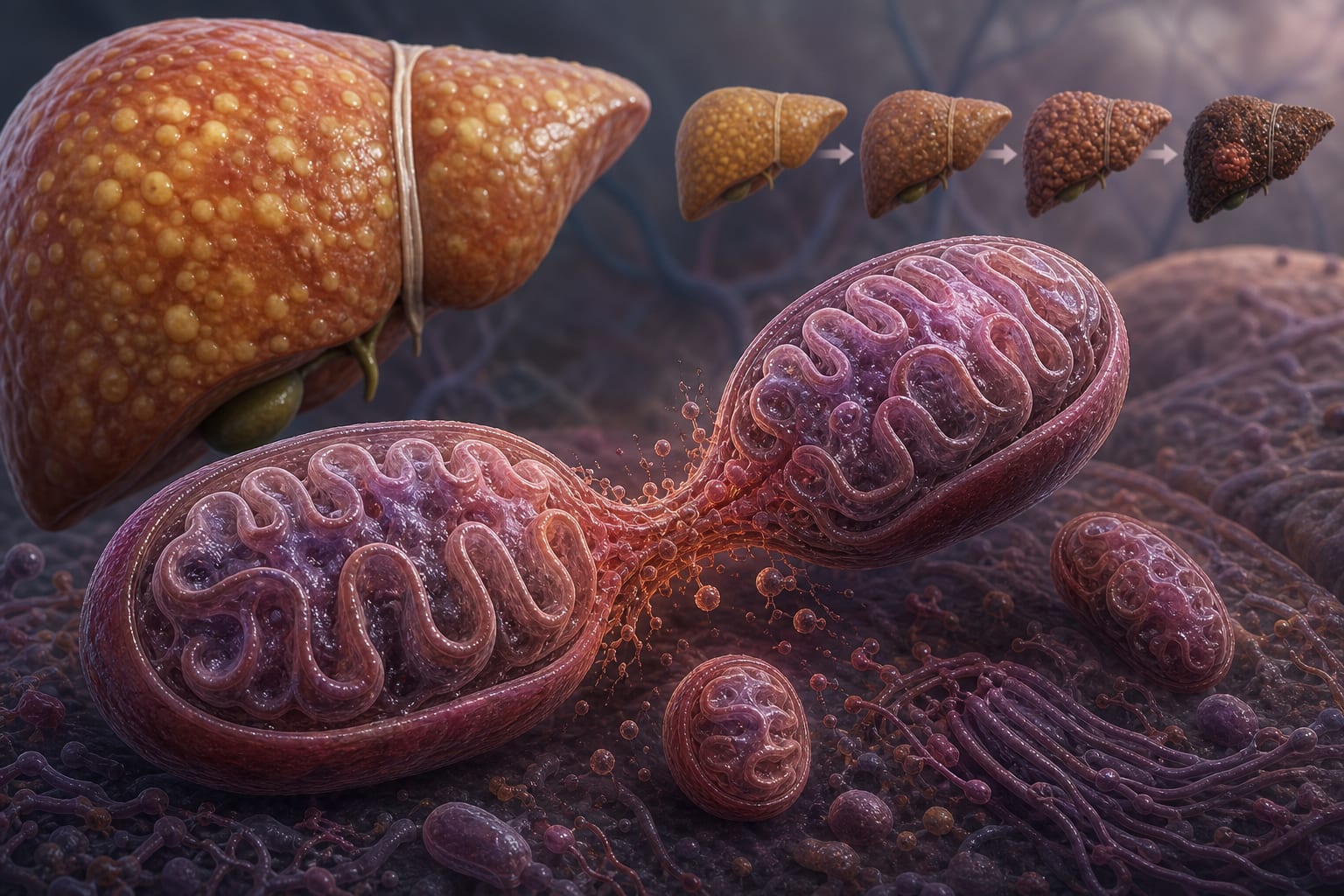
Hepatocyte protection, reduction of hepatic fat deposits, improvement of insulin sensitivity, attenuation of oxidative stress, and modulation of lipid metabolism.
Target Population
Care Setting
Key Highlights
SCF has a long history in Traditional Chinese Medicine for various ailments, including liver health.
Guideline-Based Recommendations
Diagnosis
Management
Utilization of SCF and its bioactive compounds for therapeutic intervention.
Incorporate lifestyle modifications and dietary changes as part of the management plan.
Monitoring & Follow-up
Risks
Patient & Prescribing Data
Patients with MASLD, particularly those with obesity and metabolic syndrome.
SCF may enhance liver health and metabolic function through its bioactive compounds.
Clinical Best Practices
Incorporate SCF into treatment regimens for patients with MASLD.
Monitor patients for progression of liver disease and metabolic dysfunction.
Educate patients on lifestyle modifications, including diet and exercise, to complement herbal treatment.