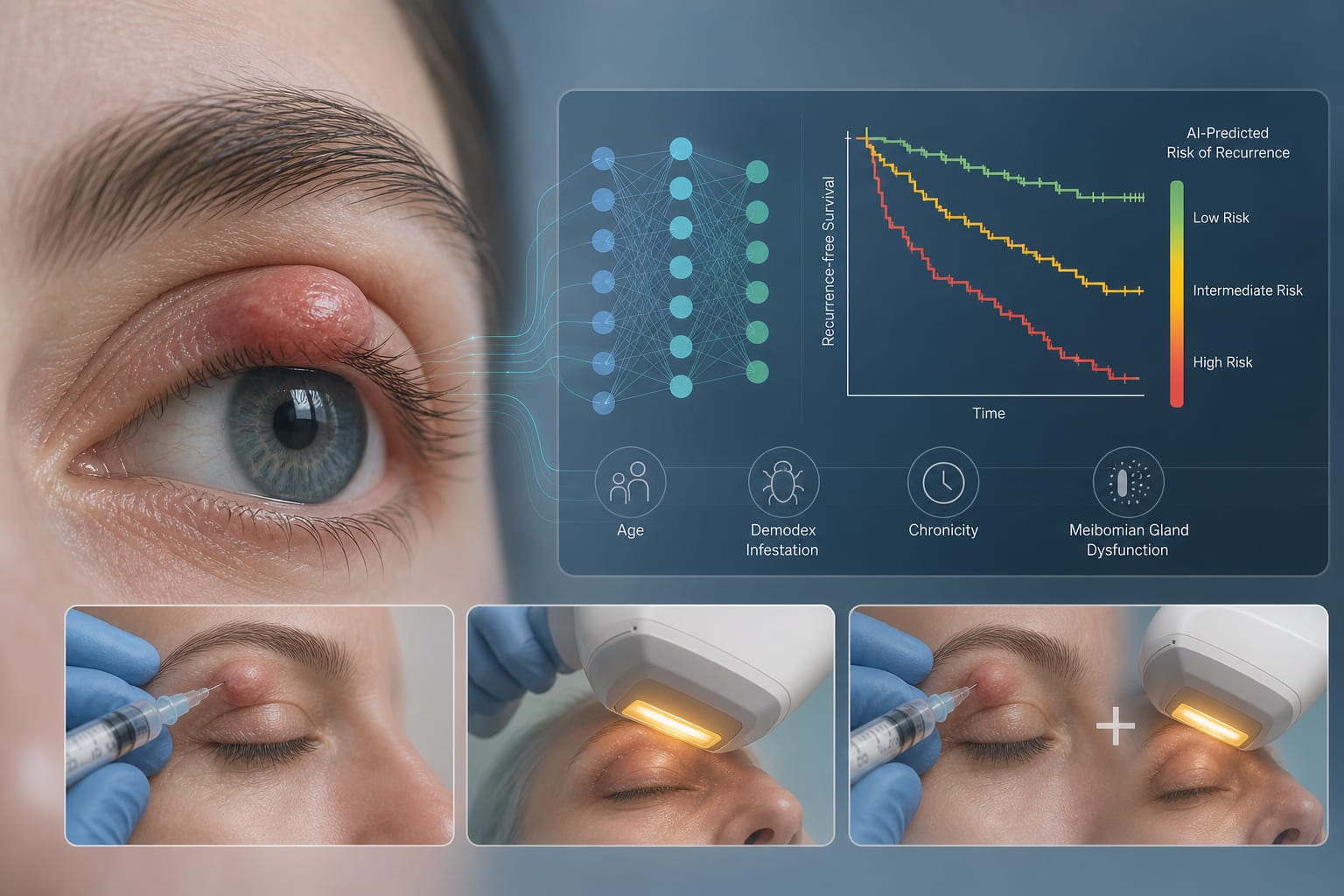
Managing Ocular Surface Disease
Early recognition of ocular surface disease may enable timely intervention with medications, procedures, and homecare practices, which may limit ocular surface damage and reduce patient symptom severity.
Clinical Scorecard: Managing Ocular Surface Disease
At a Glance
Category Detail
Condition Ocular Surface Disease (OSD) Key Mechanisms Loss of tear film homeostasis, ocular surface inflammation, meibomian gland dysfunction. Target Population Patients experiencing ocular discomfort, visual disturbances, and those undergoing ocular surgery. Care Setting Eyecare professionals' offices.
Key Highlights
OSD is the most common reason for office visits among eyecare professionals. Patients may exhibit significant clinical pathology with few or no symptoms. Effective management requires a systematic diagnostic and targeted therapeutic approach. Ocular surgery can exacerbate OSD symptoms; preoperative optimization is essential. Patient education is crucial for treatment compliance and understanding of the condition. Guideline-Based Recommendations
Diagnosis
Utilize diagnostic technologies such as tear film hyperosmolarity tests and meibomian gland imaging. Conduct detailed ocular history including lifestyle, occupation, and systemic diseases. Management
Implement medical therapy to improve tear volume and composition, and reduce evaporation. Consider office procedures to restore meibomian gland function and reduce inflammation. Monitoring & Follow-up
Regular follow-up visits to assess symptom severity and treatment efficacy. Risks
Untreated OSD can lead to poor surgical outcomes and increased patient discomfort postoperatively. Patient & Prescribing Data
Individuals with dry eye disease and related ocular surface disorders.
Chronic condition requiring ongoing management and patient education for effective treatment adherence.
Clinical Best Practices
Educate patients on the importance of a healthy ocular surface for quality vision. Encourage compliance with treatment plans and set realistic expectations regarding timelines. Recognize and address ocular surface compromise prior to surgical procedures. Related Resources & Content