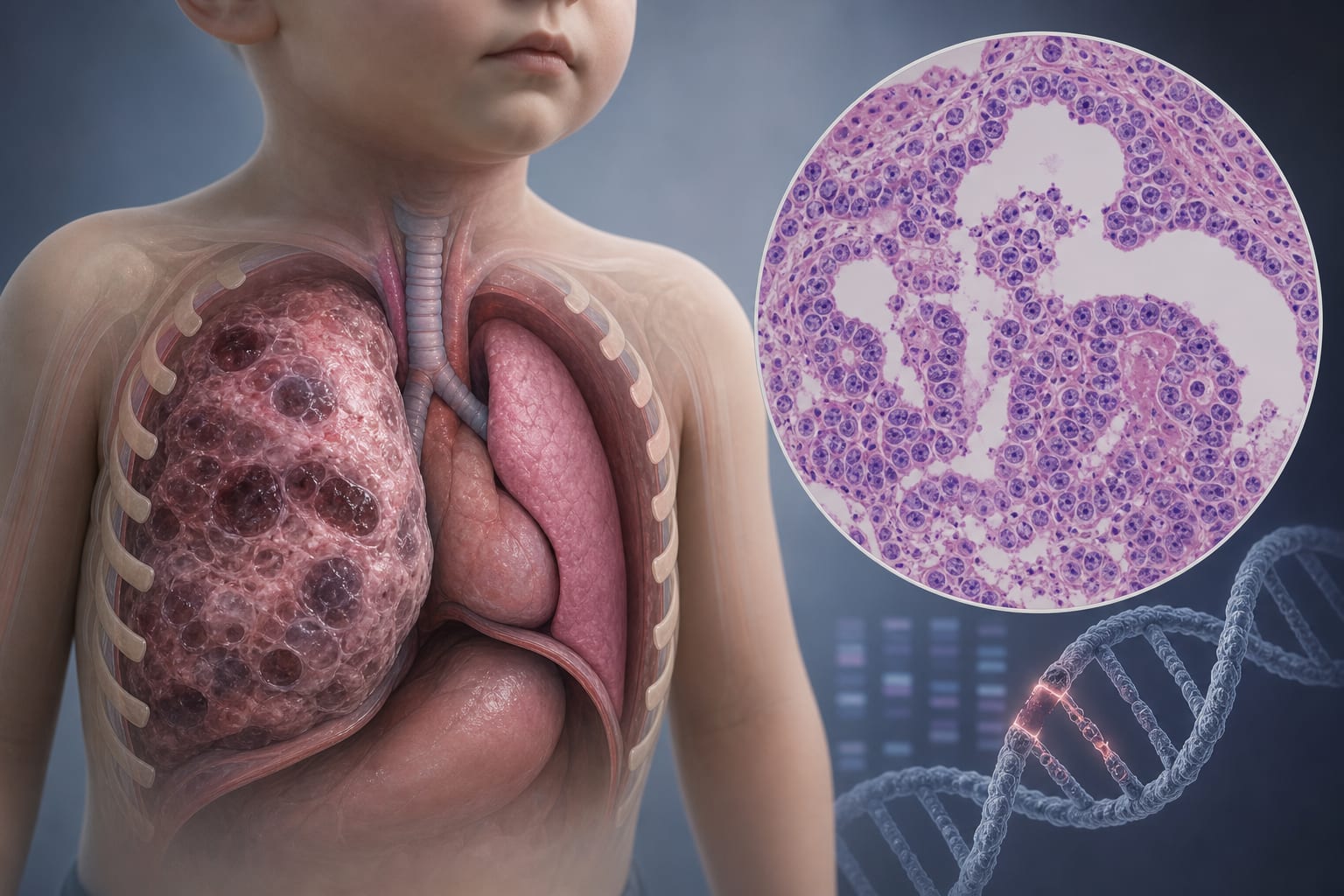
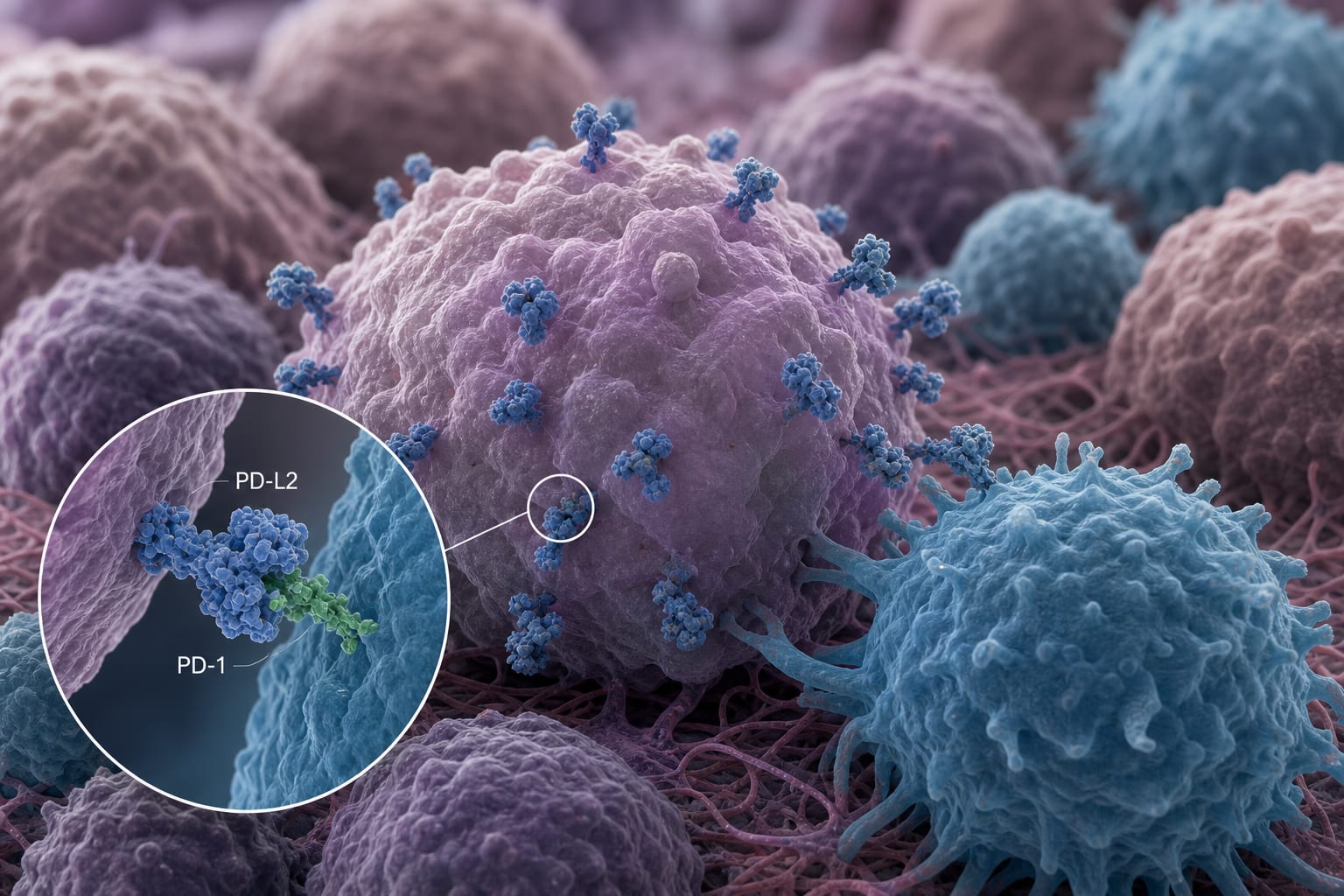
The Most Sensitive Cancer Blood Test Yet
A CRISPR-powered light sensor detected trace amounts of cancer biomarkers in the blood
Clinical Scorecard: The Most Sensitive Cancer Blood Test Yet
At a Glance
| Category | Detail |
|---|
| Condition | Lung Cancer |
| Key Mechanisms | Detection of cancer-related microRNAs in blood |
| Target Population | Patients at risk for lung cancer |
| Care Setting | Clinical laboratories and outpatient settings |
Key Highlights
- Ultra-sensitive blood test detects microRNAs at sub-attomolar levels
- Identifies early warning signs of cancer before tumors are visible on scans
- Utilizes advanced optical sensing and CRISPR-based molecular systems
- Demonstrated stronger signal differences than standard RT-qPCR testing
- Potential for personalized treatment monitoring
Guideline-Based Recommendations
Diagnosis
- Use of microRNA detection for early lung cancer diagnosis
Management
- Incorporate blood screenings into routine assessments for at-risk populations
Monitoring & Follow-up
- Regular monitoring of biomarker levels to assess treatment efficacy
Risks
- False negatives due to very low concentrations of microRNAs
Patient & Prescribing Data
Lung cancer patients and individuals at high risk
Allows for timely adjustments in treatment based on biomarker levels
Clinical Best Practices
- Implement routine blood tests for early detection in high-risk patients
- Utilize advanced technologies for accurate microRNA measurement
- Monitor patient biomarker levels frequently to guide treatment decisions
References