Current Advances in Diabetes Technology and Their Impact on Patient Experience
-
By
-
Estelle M. Everett
-
Erin Shaw
-
Bryan Escobar Barrios
-
Tannaz Moin
-
Lauren E. Wisk
-
July 21, 2026
Clinical Scorecard: Current Advances in Diabetes Technology and Their Impact on Patient Experience
At a Glance
| Category | Detail |
|---|
| Condition | Type 1 Diabetes (T1D) |
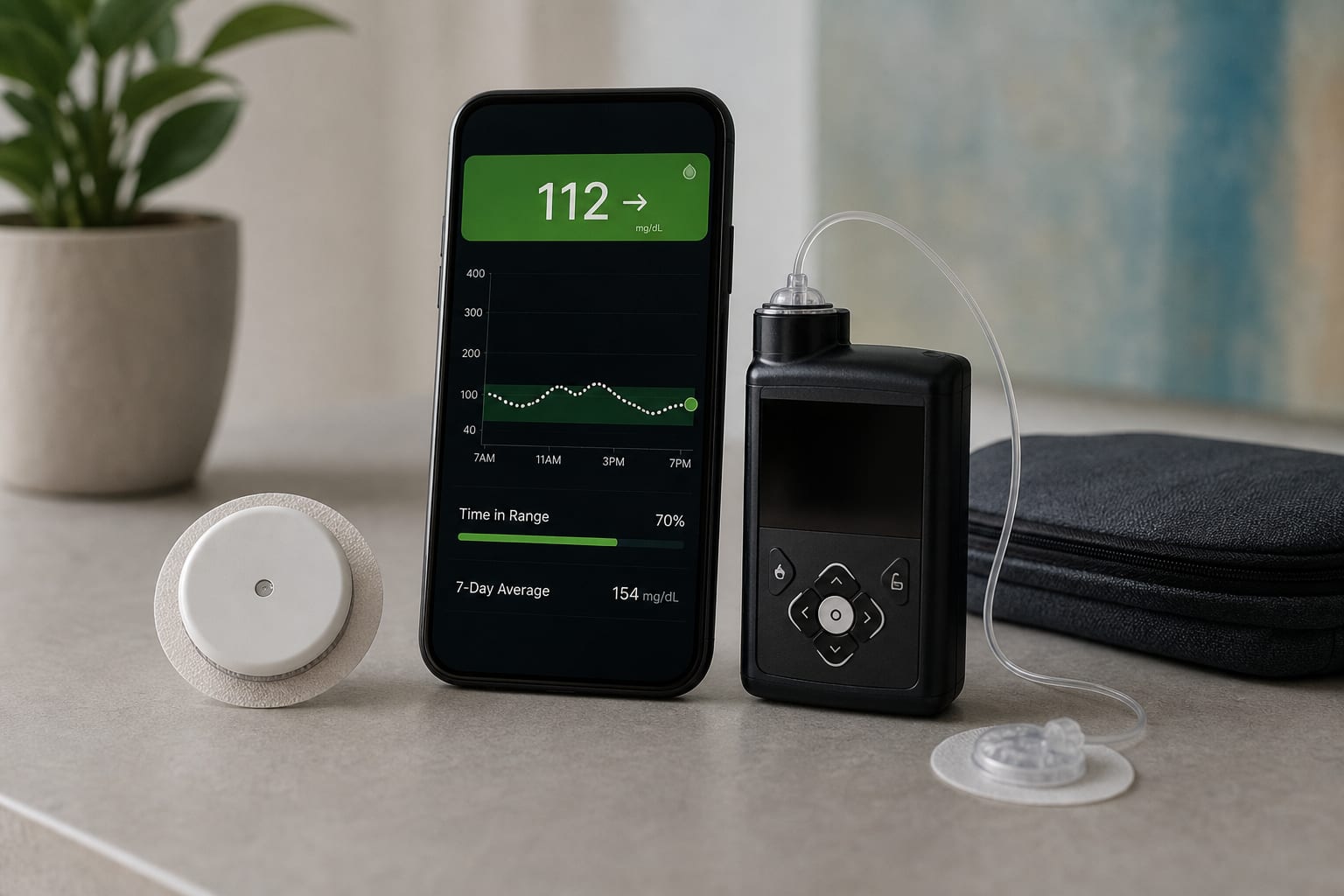
| Key Mechanisms | Continuous glucose monitors (CGMs) and automated insulin delivery (AID) systems improve glucose regulation. |
| Target Population | Adults aged ≥18 years with Type 1 Diabetes. |
| Care Setting | Diabetes technology use in clinical care. |
Key Highlights
- Increased use of CGMs and insulin pumps in T1D care over the past decade.
- Devices can alleviate or heighten anxiety related to glucose monitoring.
- Financial stress is a significant burden associated with diabetes technology.
- Qualitative analysis revealed themes of psychosocial impact and daily functioning.
- Participants reported both benefits and challenges of diabetes technology.
Guideline-Based Recommendations
Diagnosis
Management
Monitoring & Follow-up
Risks
Patient & Prescribing Data
Adults with Type 1 Diabetes receiving care within the UCLA Health system.
Diabetes technology can improve glycemic control but may introduce psychosocial burdens.
Clinical Best Practices
- Utilize qualitative methods to assess the emotional and social dimensions of diabetes technology use.
- Consider the financial implications of diabetes technology on patient well-being.
- Monitor for anxiety and distress related to continuous glucose monitoring.
Related Resources & Content