Cedars-Sinai Advances Research That Could Aid Early Alzheimer’s Diagnosis
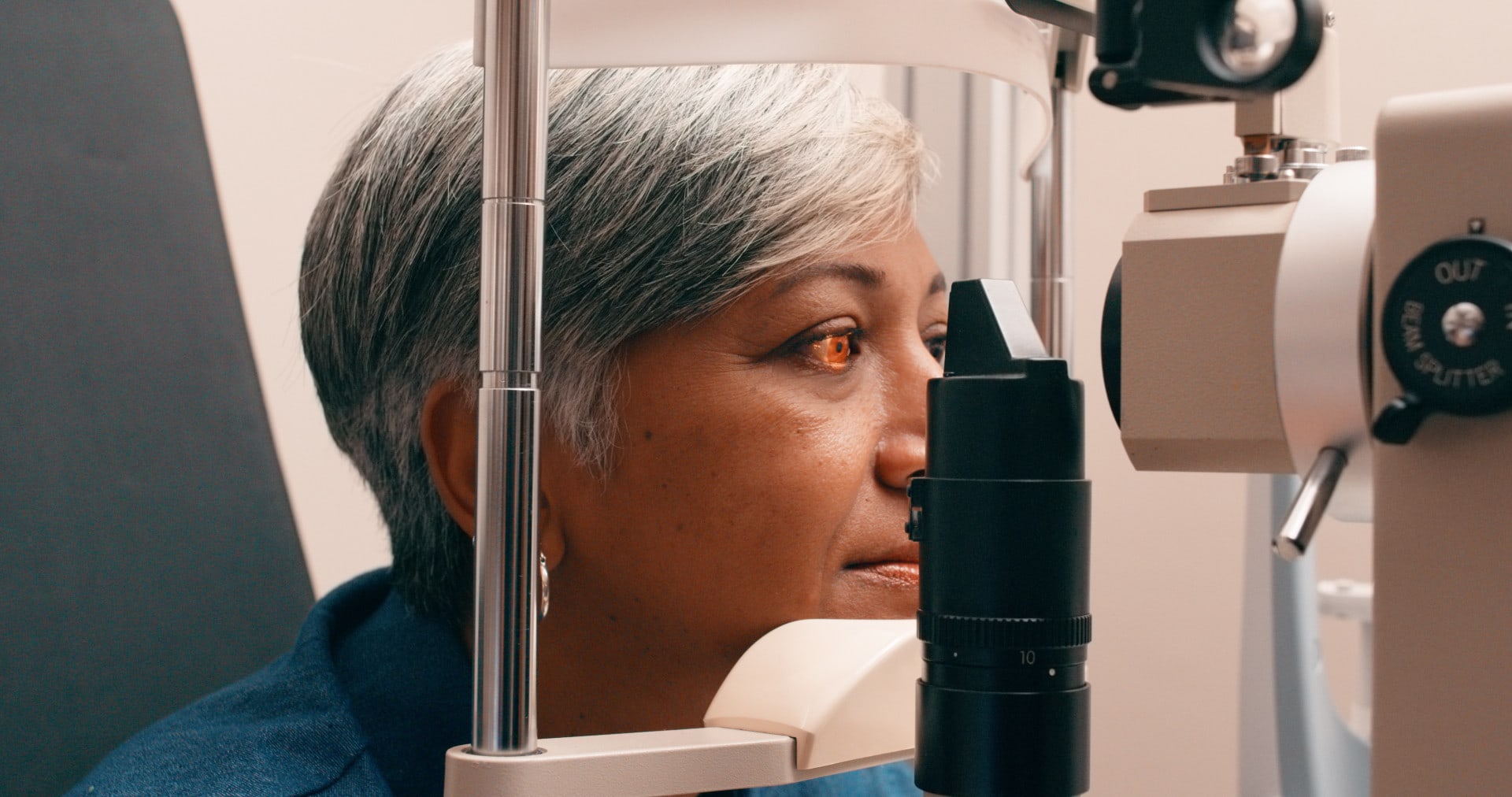
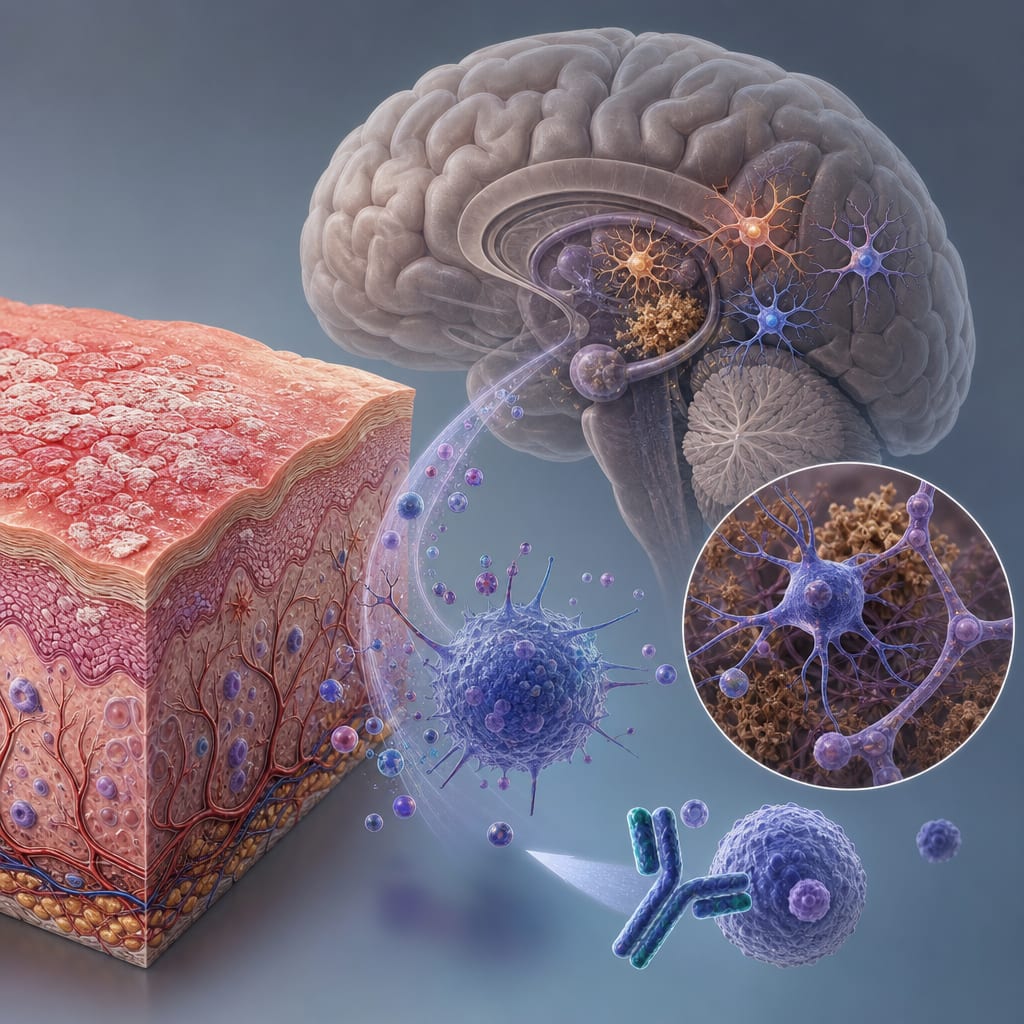
Three recently published studies from Cedars-Sinai investigators have deepened knowledge of how changes in the eye are linked to indicators of Alzheimer’s disease in the brain.
Clinical Scorecard: Cedars-Sinai Advances Research That Could Aid Early Alzheimer’s Diagnosis
At a Glance
Category Detail
Condition Alzheimer's Disease Key Mechanisms Changes in the retina linked to tau protein and amyloid plaques, indicators of Alzheimer's disease. Target Population Patients with cognitive impairment or dementia, particularly those at risk for Alzheimer's disease. Care Setting Primary care settings and specialized clinical environments.
Key Highlights
Noninvasive eye tests may facilitate earlier diagnosis of Alzheimer's disease. Higher levels of abnormal tau in the retina correlate with cognitive decline. Amyloid plaques in the retina are more prevalent in patients with mild cognitive impairment. Emerging imaging technologies can detect retinal changes associated with Alzheimer's. Identified biomarkers include reduced blood flow and inflammation in retinal tissue. Guideline-Based Recommendations
Diagnosis
Utilize retinal imaging to identify changes indicative of Alzheimer's disease. Management
Refer patients with suggestive retinal features for further testing, such as PET scans or cerebrospinal fluid analysis. Monitoring & Follow-up
Assess disease progression and treatment efficacy through retinal imaging. Risks
Potential for misdiagnosis if retinal changes are not accurately interpreted. Patient & Prescribing Data
Individuals with cognitive impairment or early signs of Alzheimer's disease.
Noninvasive imaging could enhance early detection and monitoring of treatment responses.
Clinical Best Practices
Incorporate retinal imaging in routine assessments for patients at risk of Alzheimer's. Stay updated on advancements in imaging technologies for Alzheimer's diagnosis. References