Bioelectronic modulation of the thymic “genetic mirror”: 448 kHz radiofrequency stimulation as a novel strategy for immune tolerance induction in type 1 diabetes - Scorecard - MDSpire
Advertisement
Bioelectronic modulation of the thymic “genetic mirror”: 448 kHz radiofrequency stimulation as a novel strategy for immune tolerance induction in type 1 diabetes
Clinical Scorecard: Modulating the Thymic Genetic Mirror through Bioelectronic Techniques: 448 kHz Radiofrequency Stimulation as an Innovative Approach for Inducing Immune Tolerance in Type 1 Diabetes
At a Glance
Category
Detail
Condition
Type 1 Diabetes Mellitus (T1DM)
Key Mechanisms
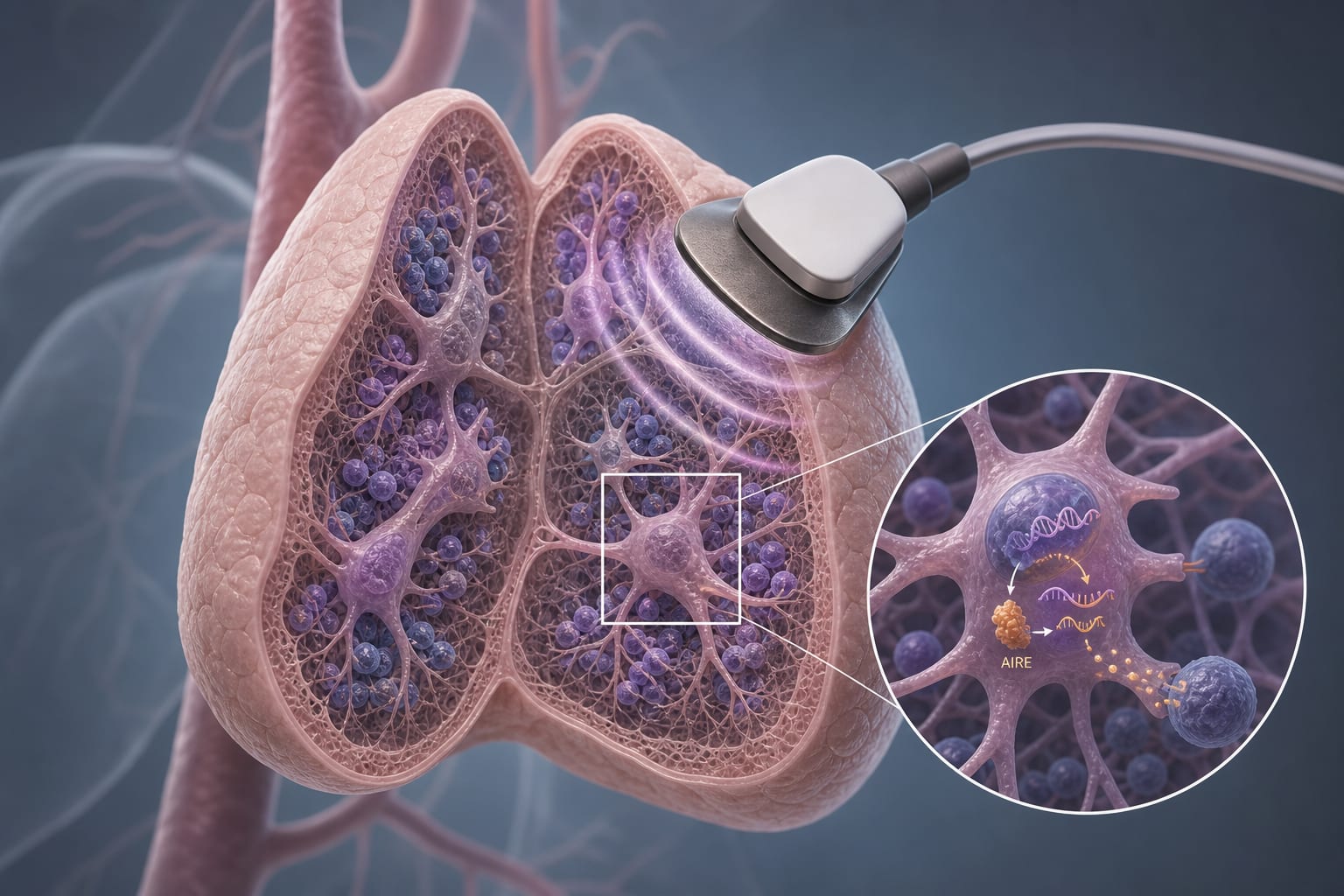
Bioelectronic modulation of thymic microenvironment to enhance AIRE-dependent insulin expression in medullary thymic epithelial cells (mTECs).
Target Population
Individuals with Type 1 Diabetes Mellitus, particularly children.
Care Setting
Clinical research and potential future therapeutic applications.
Key Highlights
Thymic dysfunction contributes to the pathogenesis of T1DM.
448 kHz RF stimulation may restore central immune tolerance.
Proposed mechanism involves Ca²+ influx via L-type voltage-gated calcium channels.
Potential to enhance negative selection of autoreactive T-cells.
Innovative approach shifts focus from peripheral immunosuppression to upstream intervention.
Guideline-Based Recommendations
Diagnosis
Assess central immune tolerance mechanisms in T1DM.
A retrospective database study found a low absolute incidence but higher relative hazard of ischemic optic neuropathy following semaglutide initiation.