Comparing the real-world effectiveness of botulinum toxin type A injections across distinct poststroke muscle hyper-resistance patterns - Scorecard - MDSpire
Advertisement
Comparing the real-world effectiveness of botulinum toxin type A injections across distinct poststroke muscle hyper-resistance patterns
Clinical Scorecard: Evaluating the Real-World Efficacy of Botulinum Toxin Type A Injections in Different Patterns of Muscle Hyper-Resistance Following Stroke
At a Glance
Category
Detail
Condition
Post-stroke muscle hyper-resistance
Key Mechanisms
Neurogenic (spasticity) and non-neurogenic (contracture) factors
Target Population
Stroke survivors with spastic hemiplegia and ankle plantar-flexor hyper-resistance
Care Setting
Rehabilitation Department
Key Highlights
BoNT-A is effective for reducing post-stroke hyper-resistance.
Patients with spasticity showed better improvement in MAS and BRS scores.
Concomitant contracture is associated with delayed improvement in motor function.
Both groups improved in MAS and BRS at all follow-up visits.
Statistical significance was not reached for FMA and BI differences.
Guideline-Based Recommendations
Diagnosis
Assess spasticity and contracture using passive range of motion (PROM).
Use the Modified Ashworth Scale (MAS) for clinical assessment.
Management
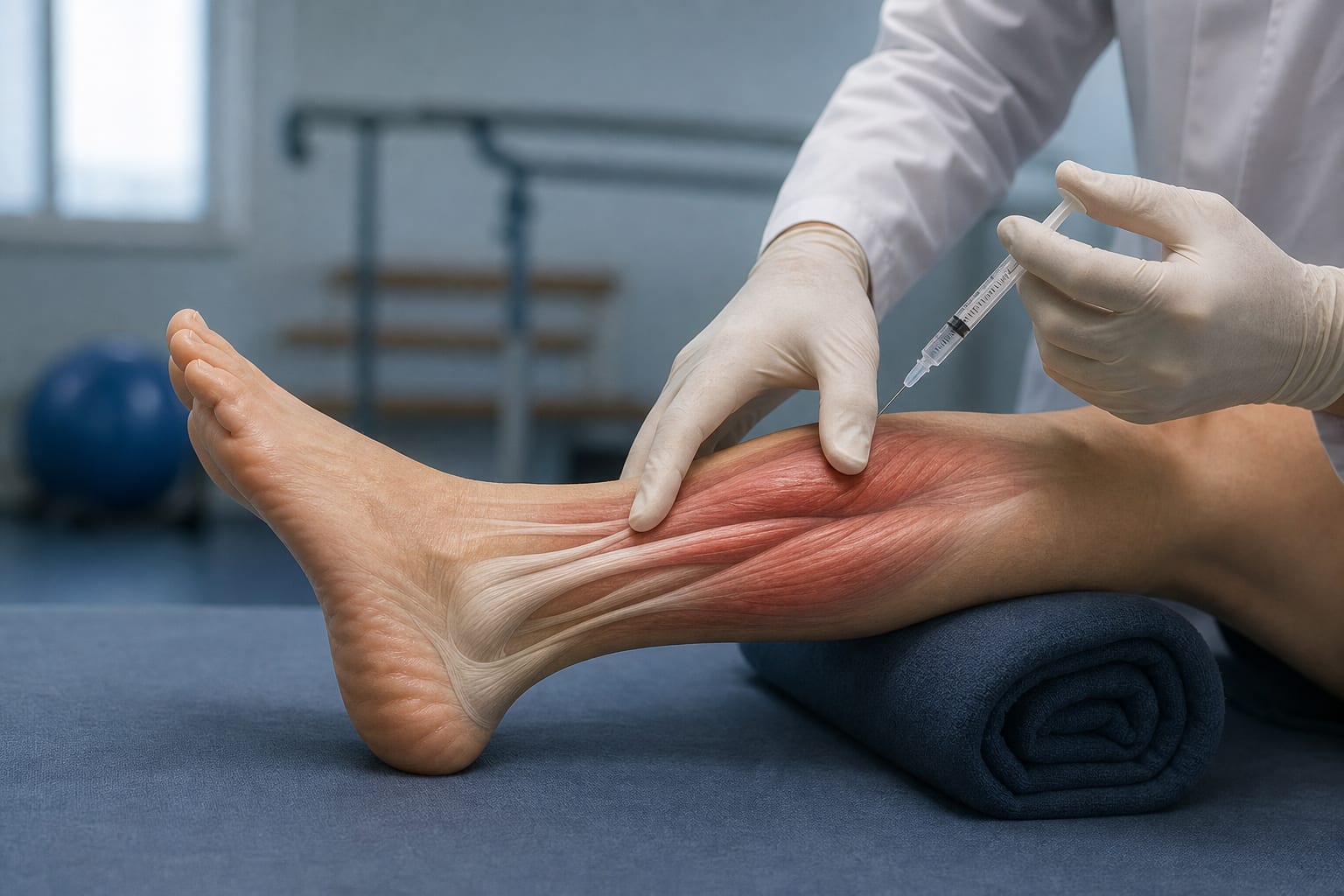
Administer BoNT-A injections under ultrasonographic guidance.
Combine BoNT-A treatment with conventional rehabilitation programs.
Monitoring & Follow-up
Evaluate outcomes using MAS, BRS, FMA, and Barthel Index at 2, 4, and 12 weeks post-injection.
Risks
Inadequate treatment of spasticity may lead to soft tissue contractures.
Patient & Prescribing Data
Patients with post-stroke spastic hemiplegia and ankle plantar-flexor hyper-resistance.
BoNT-A dosage ranged from 200 to 400 units, diluted to 3 mL of normal saline per 100 units.
Clinical Best Practices
Differentiate between spasticity and contracture in clinical assessments.
Utilize a 10% change in PROM as a criterion for contracture assessment.