Hepatic Steatosis Severity Prediction in Nonobese Individuals: Machine Learning Model Development and Validation
-
By
-
Yitong Zhu
-
Yongshuai Wang
-
Shenyu Zhang
-
Jian Yang
-
Feng Zhang
-
Yan Liu
-
Jun Shang
-
Yongliang Zhang
-
Jizhou Wang
-
Lianxin Liu
-
June 19, 2026
-
Clinical Scorecard: Predicting the Severity of Hepatic Steatosis in Nonobese Patients: Development and Validation of a Machine Learning Approach
At a Glance
| Category | Detail |
|---|
| Condition | Hepatic Steatosis |
| Key Mechanisms | Influenced by genetic susceptibility, epigenetic factors, diet, and lifestyle. |
| Target Population | Nonobese individuals with hepatic steatosis. |
| Care Setting | Health examination and screening. |
Key Highlights
- Prevalence of steatotic liver disease (SLD) in nonobese individuals is significant, with up to 40% of cases occurring in this group.
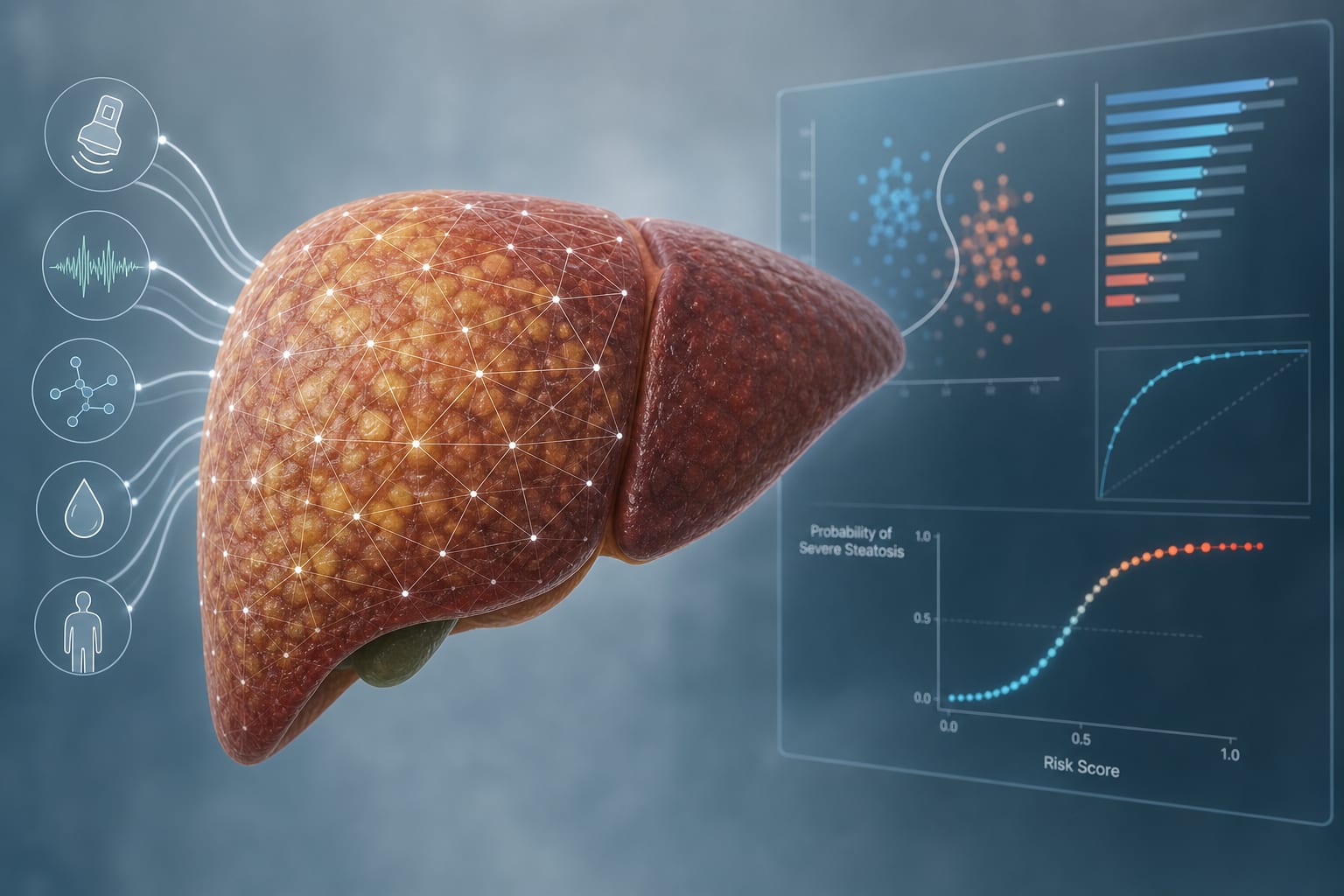
- Machine learning models can predict hepatic steatosis severity with high accuracy, outperforming traditional diagnostic methods.
- Controlled attenuation parameter (CAP) provides a reliable quantitative alternative for grading steatosis.
Guideline-Based Recommendations
Diagnosis
- Use CAP measured via transient elastography for diagnosing and grading hepatic steatosis.
Management
- Lifestyle modification for mild disease; pharmacological approaches for moderate-to-severe cases.
Monitoring & Follow-up
- Regular assessment of liver fat content and metabolic risk factors in nonobese individuals.
Risks
- Nonobese individuals with SLD face risks of liver fibrosis, cirrhosis, and cardiometabolic complications.
Patient & Prescribing Data
Nonobese individuals with hepatic steatosis.
Early intervention strategies are crucial for managing metabolic risks.
Clinical Best Practices
- Implement screening strategies tailored to the metabolic phenotype of nonobese individuals.
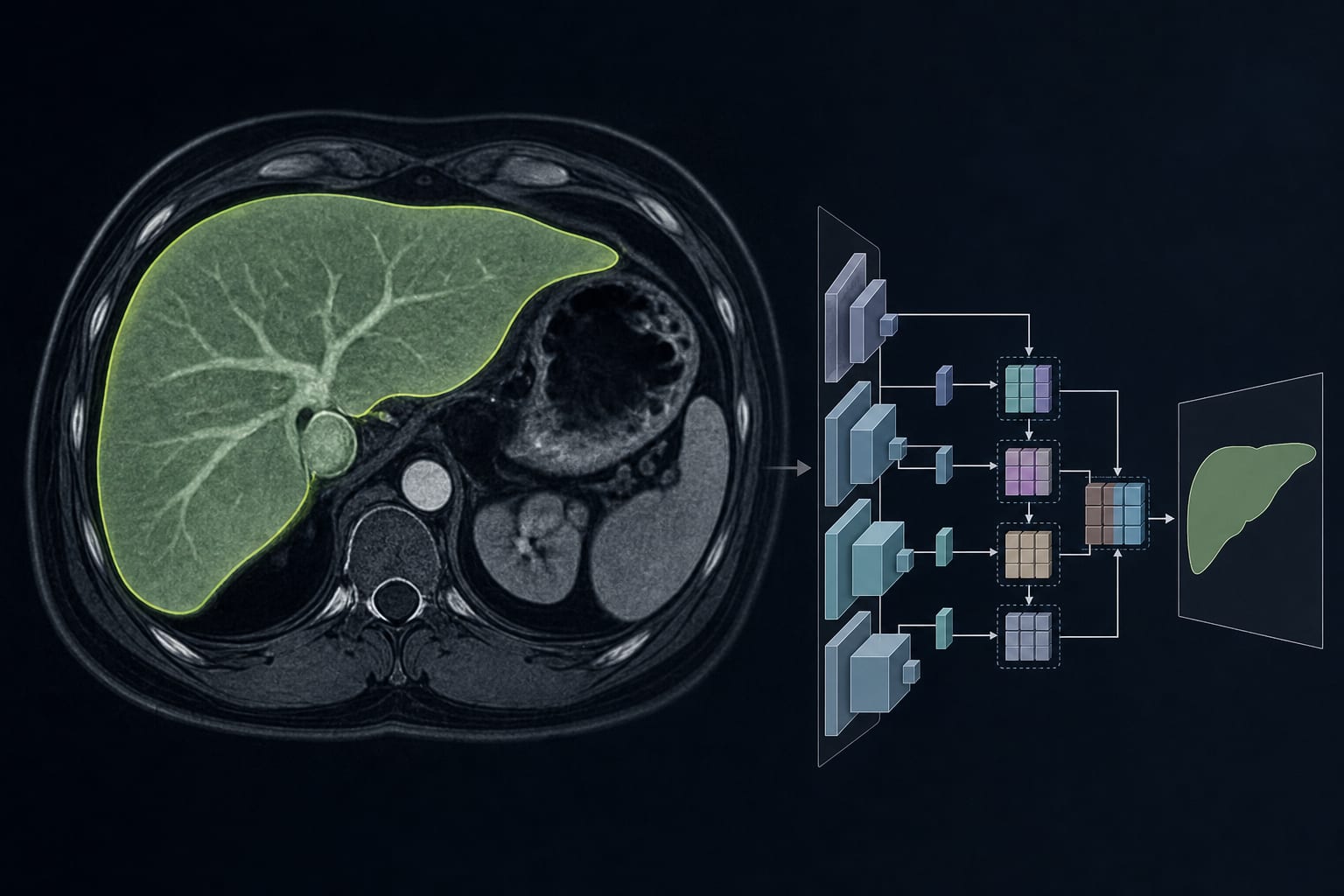
- Utilize machine learning models for multiclass severity prediction in clinical settings.
Related Resources & Content