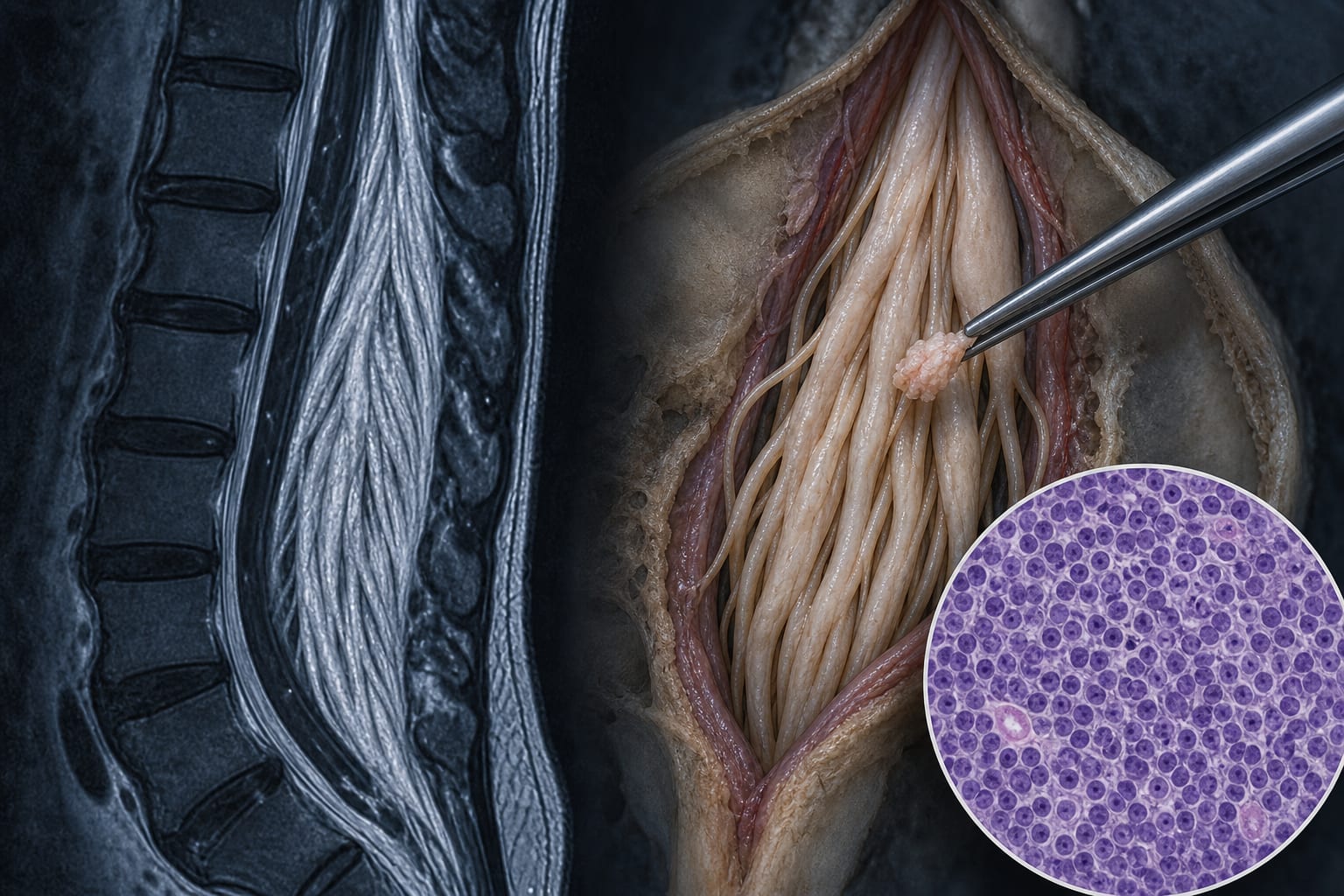
Parasite in cancer therapy: molecular mechanisms and translational potential
-
By
-
Juanyan Liao
-
Xingyu Hou
-
Haolin Tang
-
Qing Li
-
July 17, 2026
Clinical Scorecard: Utilization of Parasite-Derived Molecules in Cancer Treatment: Mechanisms at the Molecular Level and Clinical Implications
At a Glance
| Category | Detail |
|---|
| Condition | Cancer |
| Key Mechanisms | Immunomodulatory and antitumor properties of parasite-derived molecules (PDMs) through immune-mediated and non-immune mechanisms. |
| Target Population | Patients with various malignancies including melanoma, lung cancer, colorectal cancer, breast cancer, and hepatocellular carcinoma. |
| Care Setting | Oncology research and clinical trials. |
Key Highlights
- PDMs activate innate and adaptive antitumor immunity.
- They induce apoptosis and autophagy in tumor cells.
- PDMs inhibit angiogenesis and metastasis.
- Encouraging preclinical efficacy across multiple tumor models.
- Challenges remain for clinical translation including immunogenicity and delivery.
Guideline-Based Recommendations
Diagnosis
Management
Monitoring & Follow-up
Risks
- Immunogenicity and biosafety concerns.
- Challenges in large-scale production and quality control.
Patient & Prescribing Data
Patients with various types of cancer.
PDMs show potential to enhance therapeutic efficacy of conventional treatments.
Clinical Best Practices
- Further validation of PDMs in clinical settings is necessary.
- Addressing regulatory standardization for clinical application.
Related Resources & Content