A New Era for Pancreatic Cancer: How Baptist Health Research Helped Get Us Here
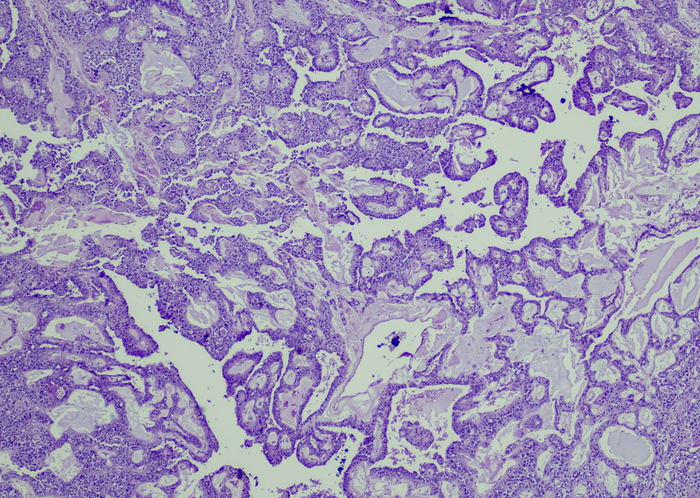
Pancreatic adenocarcinoma, the most common form of pancreatic cancer, accounts for roughly 90 to 95 percent of cases. It's notoriously difficult to catch early, because symptoms often don't appear until the disease has already spread
Clinical Scorecard: A New Era for Pancreatic Cancer: How Baptist Health Research Helped Get Us Here
At a Glance
Category Detail
Condition Pancreatic adenocarcinoma Key Mechanisms Targeting activated KRAS proteins to inhibit cancer cell growth. Target Population Adults with metastatic pancreatic adenocarcinoma. Care Setting Oncology clinics and cancer care centers.
Key Highlights
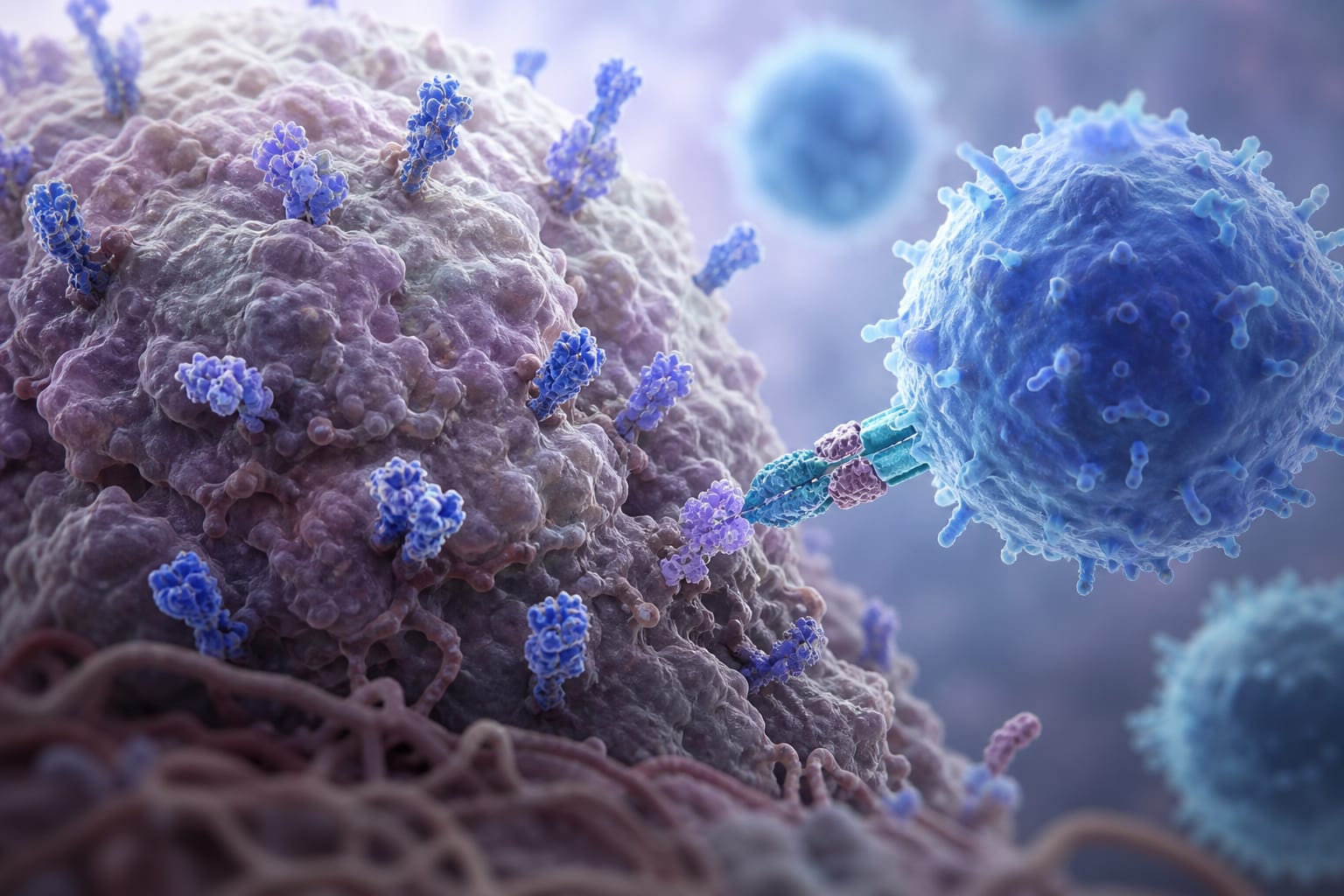
FDA approved daraxonrasib, a targeted therapy for metastatic pancreatic adenocarcinoma. Median overall survival with daraxonrasib is 13.2 months compared to 6.7 months with chemotherapy. Daraxonrasib targets the KRAS protein, offering a new treatment approach. Common side effects include rash, diarrhea, and nausea, manageable with dose adjustments. Potential shift away from chemotherapy towards targeted treatments based on tumor genetics. Guideline-Based Recommendations
Diagnosis
Diagnosis based on clinical evaluation and imaging studies. Management
Consider daraxonrasib for patients with previously treated metastatic pancreatic adenocarcinoma. Monitoring & Follow-up
Monitor for side effects and treatment response regularly. Risks
Risk of resistance to daraxonrasib and potential side effects. Patient & Prescribing Data
Adults with previously treated metastatic pancreatic adenocarcinoma.
Daraxonrasib offers a targeted approach, improving survival rates compared to standard chemotherapy.
Clinical Best Practices
Individualize treatment based on patient diagnosis and tumor characteristics. Utilize supportive care to manage side effects effectively. Engage in ongoing clinical trials for advanced therapies. Related Resources & Content