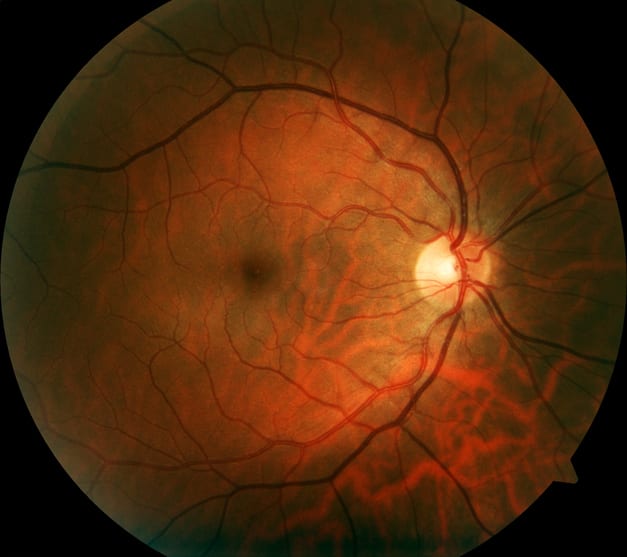
Patients with Type 2 Diabetes Mellitus, especially elderly individuals
Care Setting
Clinical settings involving diabetes management and cognitive screening
Key Highlights
Cognitive dysfunction in T2DM ranges from mild impairment to severe dementia, adversely affecting disease management and quality of life.
Research focus has shifted from early risk factors to microscopic mechanisms including neuroimaging, gut microbiota, and molecular pathways.
Multidisciplinary research balances fundamental studies with clinical translation to improve early screening and personalized treatment.
Guideline-Based Recommendations
Diagnosis
Screen elderly patients with T2DM for cognitive dysfunction as part of routine care.
Management
Develop personalized treatment plans for T2DM patients with cognitive impairment to enhance therapeutic efficacy and adherence.
Monitoring & Follow-up
Monitor cognitive function progression in T2DM patients, particularly focusing on memory, attention, executive function, and motor control.
Risks
Recognize age, chronic hyperglycaemia, oxidative stress, insulin resistance, and unhealthy lifestyle as key risk factors for cognitive decline in T2DM.
Patient & Prescribing Data
Patients with Type 2 Diabetes Mellitus exhibiting cognitive dysfunction
Insulin regulation of cortical activity and cerebral metabolism is crucial; addressing pro-inflammatory states and vascular complications may mitigate cognitive decline.
Clinical Best Practices
Incorporate cognitive screening in routine diabetes care, especially for elderly patients.
Address modifiable risk factors such as hyperglycaemia control and lifestyle interventions to slow cognitive decline.
Utilize multidisciplinary approaches integrating neuroimaging and molecular diagnostics to guide personalized therapies.
Promote collaboration between endocrinology, neurology, and geriatrics for comprehensive management.