Clinical Scorecard: EEG Marker May Predict Consciousness and Recovery
At a Glance
Category
Detail
Condition
Disorders of consciousness following brain injury
Key Mechanisms
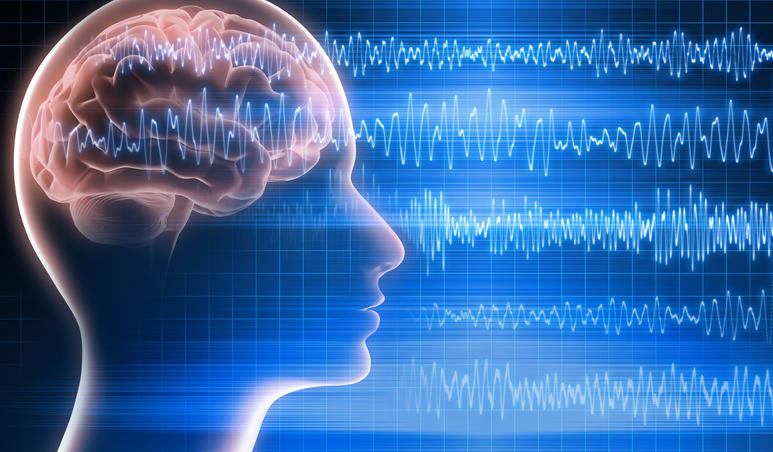
Electroencephalography-based peripersonal space (PPS) index derived from high-beta oscillations (20–30 Hz) reflecting multisensory integration
Target Population
Patients with disorders of consciousness and healthy individuals during sleep and wakefulness
Care Setting
Clinical neurology and neurorehabilitation settings, bedside-compatible EEG assessment
Key Highlights
PPS index present during wakefulness and dreaming but absent during dreamless sleep, distinguishing conscious from unconscious states.
In patients, higher PPS index values correlated with better clinical outcomes and Coma Recovery Scale–Revised scores.
PPS index showed higher positive predictive value (86%) and specificity (98%) for recovery prediction compared to behavioral assessment alone.
Guideline-Based Recommendations
Diagnosis
Use high-density EEG with audiotactile stimulation paradigm to calculate PPS index for assessing consciousness states.
Combine PPS index with behavioral assessments (e.g., Coma Recovery Scale–Revised) to improve diagnostic accuracy.
Management
Incorporate PPS index monitoring to inform prognosis and tailor rehabilitation strategies in disorders of consciousness.
Monitoring & Follow-up
Perform PPS index evaluation approximately one month post-brain injury and reassess clinical outcomes at discharge.
Consider longitudinal monitoring to refine prognostic accuracy, acknowledging current limitation of short-term follow-up.
Risks
Potential variability in optimal frequency range and PPS index thresholds necessitates cautious interpretation.
Lower sensitivity of PPS index alone suggests risk of false negatives if used without complementary assessments.
Patient & Prescribing Data
Patients with disorders of consciousness approximately 31 days post-brain injury
Higher PPS index values are associated with better recovery outcomes; combining electrophysiological and behavioral data enhances predictive performance.
Clinical Best Practices
Utilize multimodal assessment combining EEG-based PPS index and standardized behavioral scales for comprehensive consciousness evaluation.
Apply bedside-compatible EEG protocols to facilitate routine clinical use in neurocritical and rehabilitation units.
Interpret PPS index results in context of clinical presentation and imaging correlates such as forebrain mesocircuit integrity.