Editorial: EBV strategies to counteract the immune response
-
By
-
Stefano Lazzi
-
Cristiana Bellan
-
Paola Chabay
-
Rita Khoueiry
-
Lucia Mundo
-
Paul Murray
-
June 25, 2026
-
Clinical Scorecard: Editorial: Approaches to Mitigate Immune Responses Against EBV
At a Glance
| Category | Detail |
|---|
| Condition | Epstein-Barr Virus (EBV) Infection |
| Key Mechanisms | Immune evasion through manipulation of antigen presentation, induction of immunosuppressive cytokines, and upregulation of immune checkpoints. |
| Target Population | Individuals infected with EBV, including children and adolescents with EBV-associated diseases. |
| Care Setting | Research on immune responses and therapeutic strategies in EBV-related conditions. |
Key Highlights
- EBV establishes lifelong, largely asymptomatic infections in over 95% of the global population.
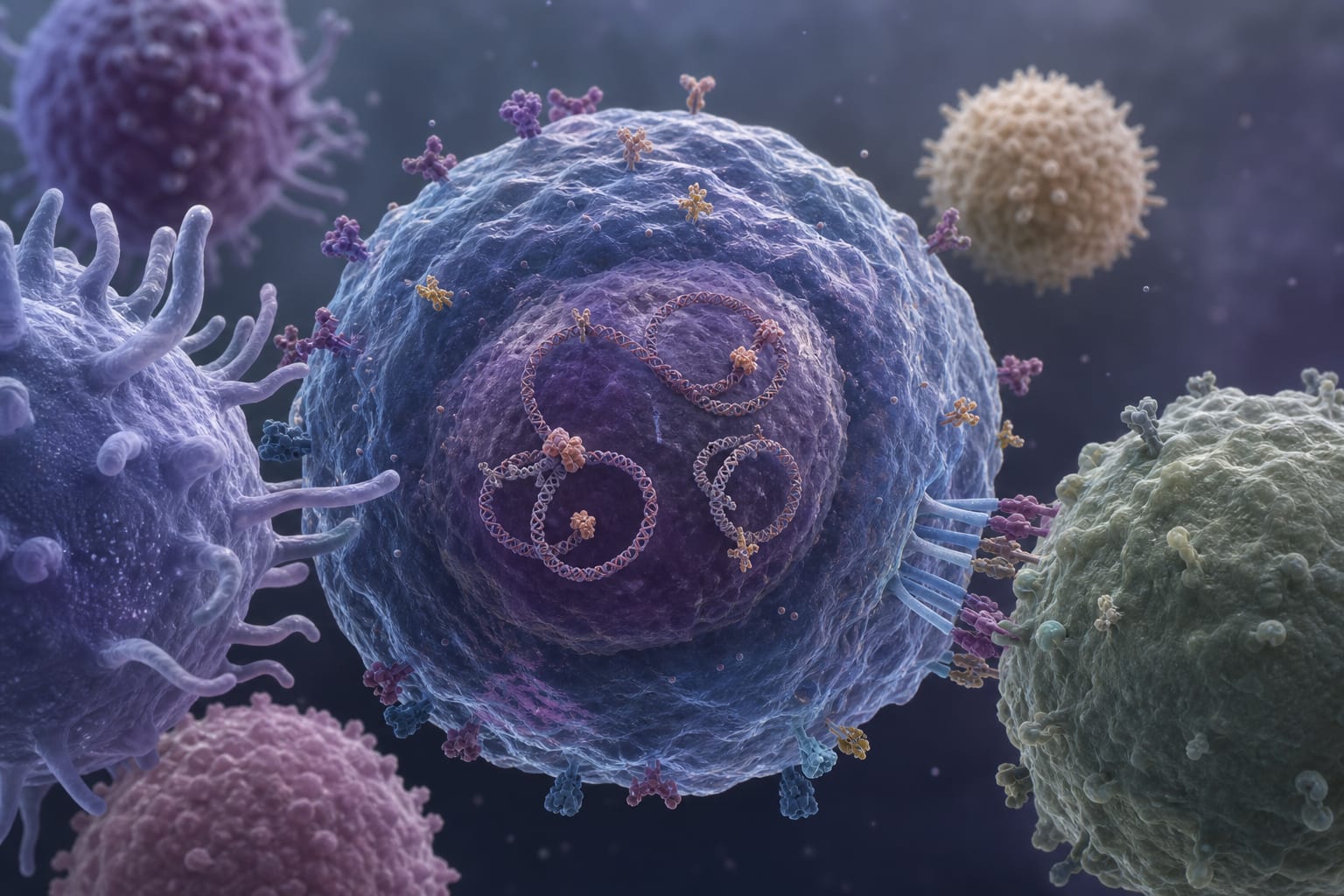
- EBV employs mechanisms like LMP1 and EBNA1 to evade immune responses.
- NKG2A receptor targeting may restore NK-cell-mediated control in EBV-positive lymphomas.
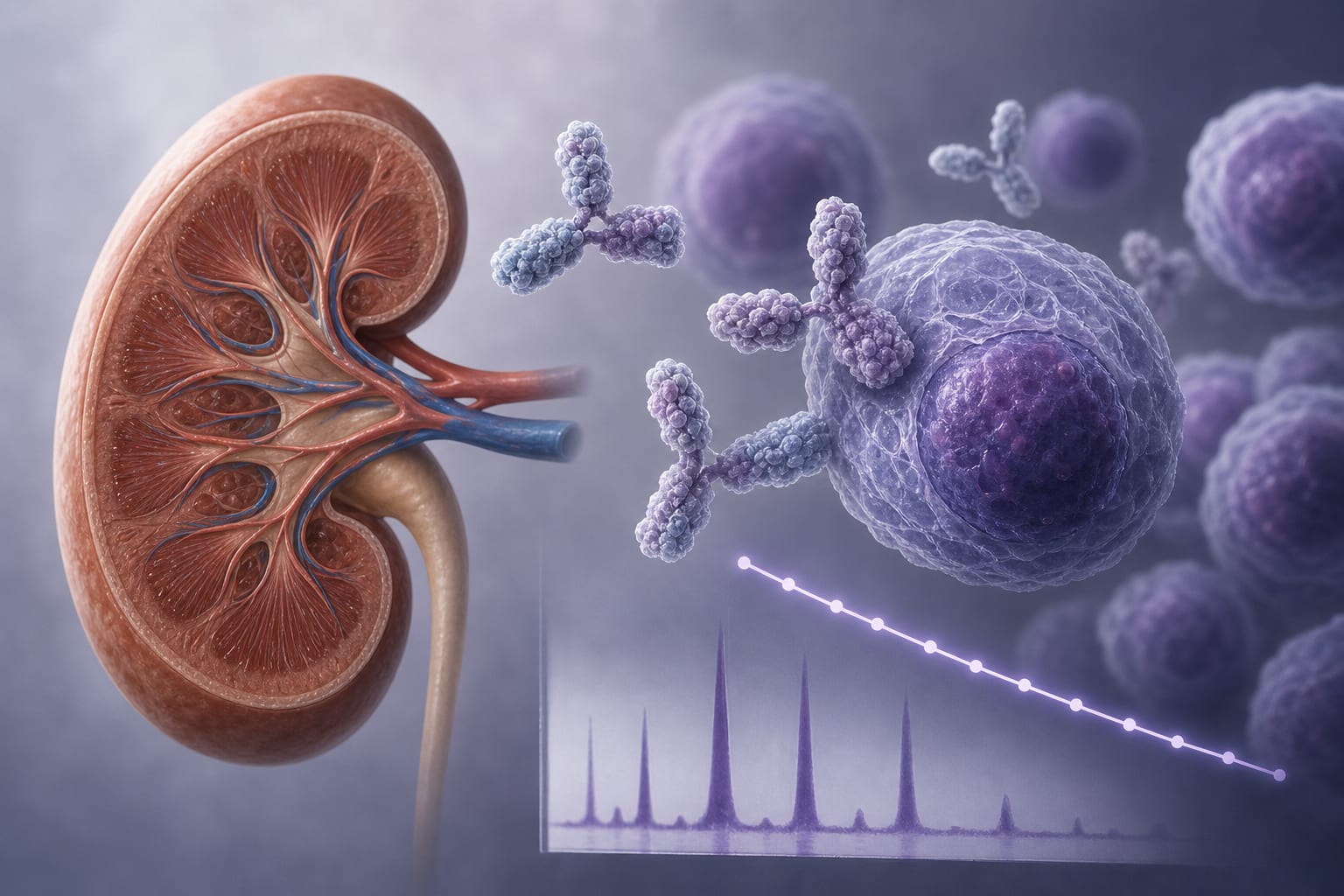
- Myeloid-derived suppressor cells (MDSCs) may serve as biomarkers of disease activity in EBV infections.
- Early recognition and treatment of EBV-associated hemophagocytic lymphohistiocytosis (HLH) can improve outcomes.
Guideline-Based Recommendations
Diagnosis
- Consider EBV infection in patients presenting with HLH and lymphoproliferative disorders.
Management
- Initiate combined corticosteroid and antiviral therapy for EBV-associated HLH.
Monitoring & Follow-up
- Monitor specific MDSC subpopulations as potential biomarkers of immune dysregulation.
Risks
- EBV infection can lead to various malignancies, including aggressive NK-cell leukemia and inflammatory follicular dendritic cell sarcoma.
Patient & Prescribing Data
Children and adolescents with primary and persistent EBV infection.
Therapeutic strategies may include immunotherapy targeting NK-cell receptors and antiviral agents.
Clinical Best Practices
- Recognize the complex interplay between EBV and host immune responses.
- Utilize immunophenotyping to assess MDSC dynamics in EBV infections.
- Implement timely interventions for EBV-associated HLH to mitigate cytokine storms.
Related Resources & Content