Clinical Scorecard: Interval Salpingectomy: Is It Possible to Achieve Optimal Outcomes?
At a Glance
Category
Detail
Condition
Ovarian Cancer Risk Reduction
Key Mechanisms
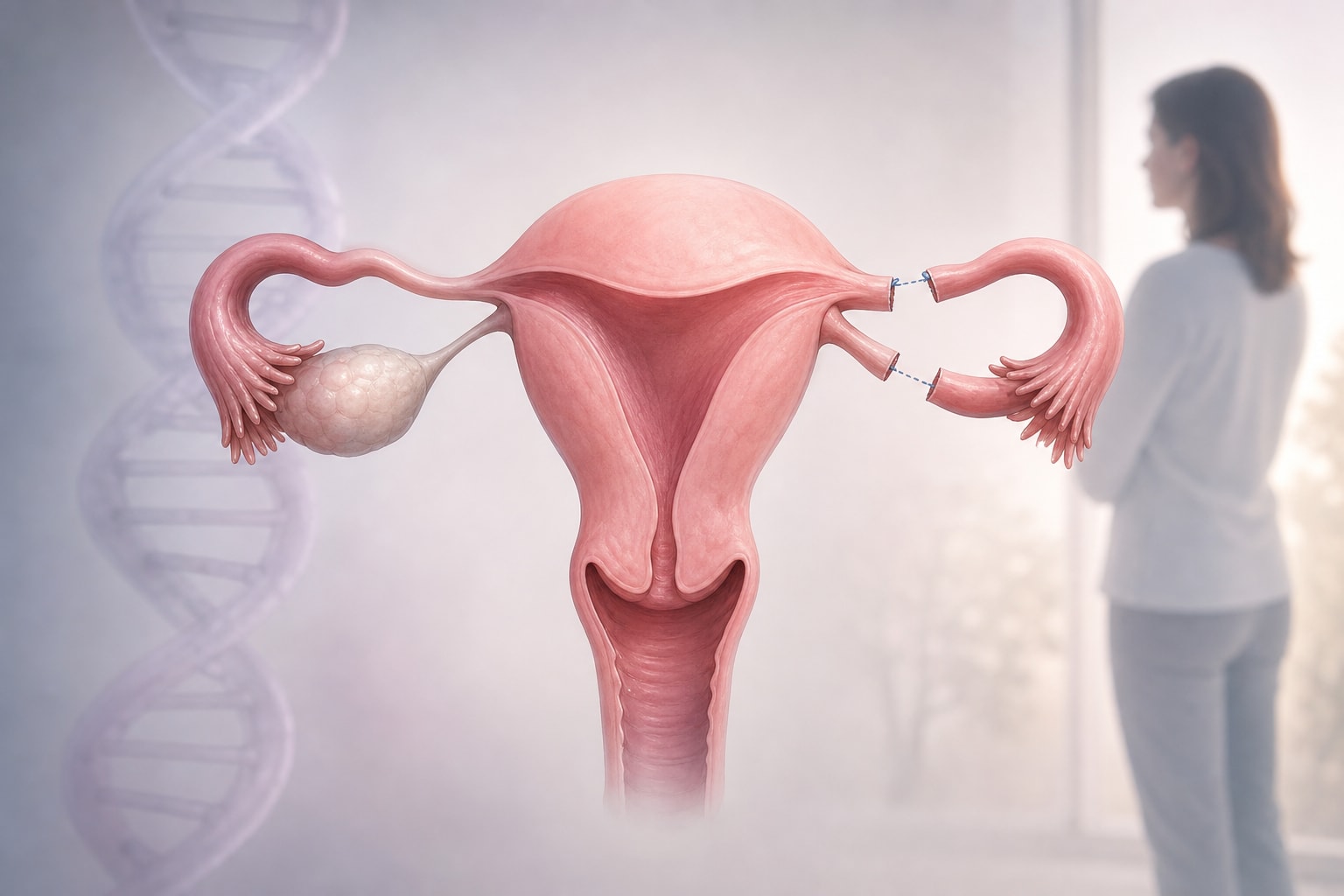
Interval salpingectomy with delayed oophorectomy (ISDO) preserves ovarian function and may improve sexual health outcomes compared to risk-reducing salpingo-oophorectomy (RRSO).
Target Population
Women with hereditary predisposition to ovarian cancer, particularly BRCA1/2 carriers.
Care Setting
Oncology and surgical prevention clinics.
Key Highlights
ISDO is associated with improved sexual function compared to RRSO.
Hormone replacement therapy (HRT) can mitigate adverse effects of surgical menopause.
Only 1.8% of participants undergoing surgery had occult cancer.
No interval cancers were observed in 73 months of follow-up.
Patient preferences and counseling significantly influence HRT use.
Guideline-Based Recommendations
Diagnosis
Consider genetic testing for BRCA1/2 variants in women with a family history of ovarian cancer.
Management
Discuss ISDO as a risk-reducing option alongside RRSO for eligible women.
Monitoring & Follow-up
Follow-up on sexual function and menopausal symptoms post-surgery.
Risks
RRSO is associated with lower sexual function and higher sexual distress compared to ISDO.
Patient & Prescribing Data
Predominantly premenopausal women with BRCA pathogenic variants.
HRT use varies; Tibolone and estrogen-related therapies are commonly prescribed.
Clinical Best Practices
Provide intensive preoperative counseling regarding surgical options and HRT.
Incorporate shared decision-making models in treatment planning.