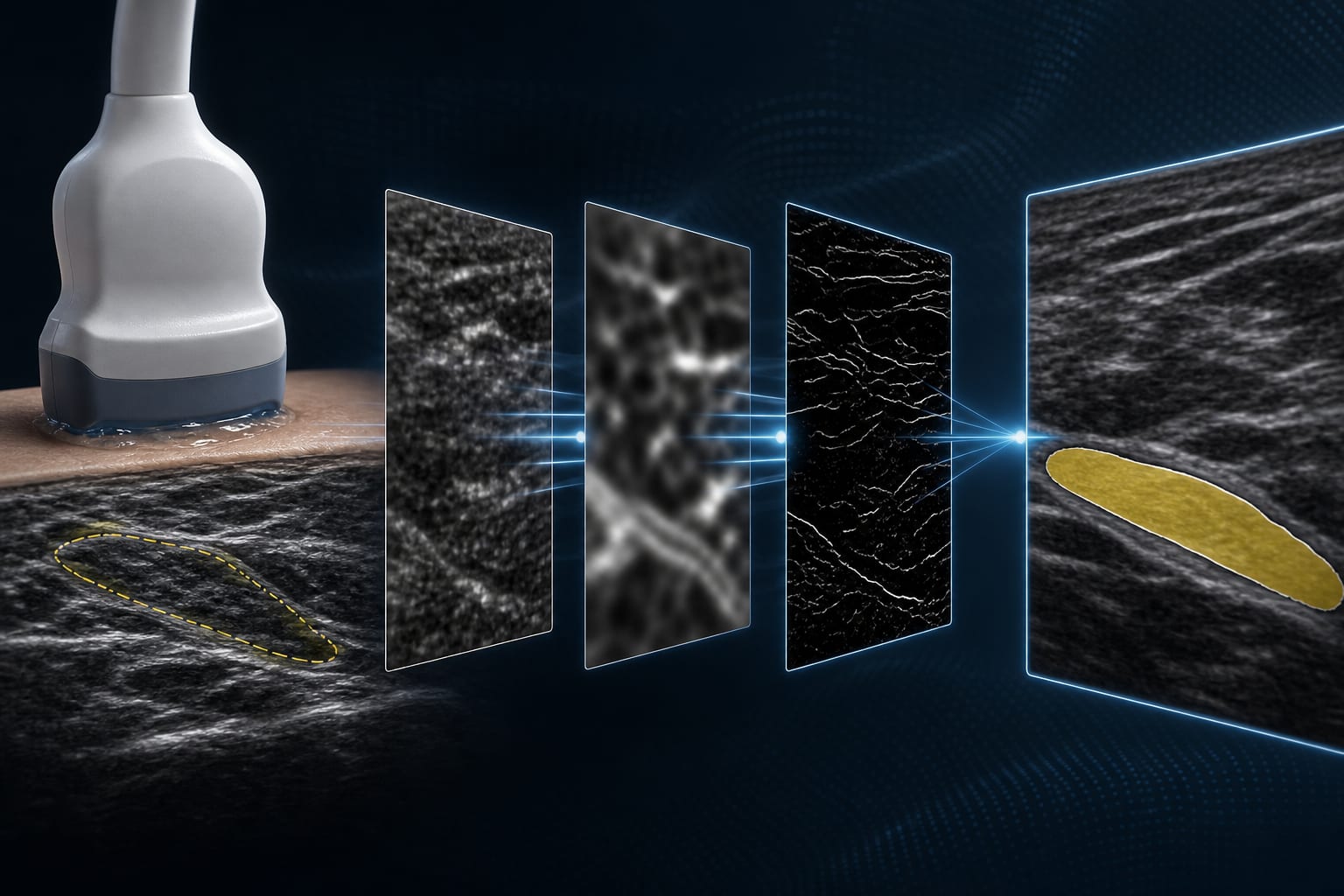
Ready for testing artificial intelligence in radiology clinical practice: We would do well to be in the front line leveraging their strengths but also highlighting today weaknesses
By
Benjamin Bender
September 22, 2023
Clinical Scorecard: Embracing Artificial Intelligence in Radiology: Balancing Its Potential Benefits with Current Limitations in Clinical Practice
At a Glance
Category Detail
Condition Radiological image interpretation workload and diagnostic accuracy Key Mechanisms Deep learning artificial neural networks trained on large labeled datasets to detect radiological findings Target Population Radiologists interpreting high-volume radiological examinations, including brain CT scans Care Setting Radiology departments, including off-hours preliminary interpretations
Key Highlights
AI deep learning models can outperform average radiologist performance on specific radiological findings. AI assistance improves radiologist detection accuracy on many findings but may reduce attention to unreported rare critical findings. Large, well-labeled datasets are essential for training effective AI models; some findings remain challenging for AI detection. Guideline-Based Recommendations
Diagnosis
Use AI as a support tool to assist radiologists in detecting common radiological findings. Maintain radiologist oversight especially for rare but critical diagnoses not reliably detected by AI. Management
Integrate certified AI tools into clinical radiology practice to improve report quality and efficiency. Educate radiologists on AI tool strengths and limitations to minimize automation bias. Monitoring & Follow-up
Continuously evaluate AI performance prospectively with clinically meaningful endpoints. Monitor for decreases in detection of unreported findings when using AI assistance. Risks
Automation bias leading to missed rare but critical findings. Lack of reimbursement frameworks may limit AI adoption despite regulatory approvals. Patient & Prescribing Data
Patients undergoing high-volume radiological imaging such as brain CT scans
AI tools can enhance radiologist detection accuracy and confidence but cannot replace clinical judgment or radiological education.
Clinical Best Practices
Use AI as an adjunct to, not a replacement for, radiologist interpretation. Ensure large, high-quality, manually labeled datasets are used for AI training and validation. Educate radiologists to recognize AI limitations and avoid overreliance on AI outputs. Incorporate AI tools that have regulatory certification and evaluate cost-effectiveness in local settings. Conduct prospective studies assessing AI impact on clinical outcomes such as treatment times and patient scores. References