Clinical Scorecard: Evaluating Serum Beta-2 Microglobulin as a Diagnostic Indicator for Pediatric Epstein–Barr Virus Infections: A Retrospective Analysis
At a Glance
Category
Detail
Condition
Pediatric Epstein–Barr Virus Infection
Key Mechanisms
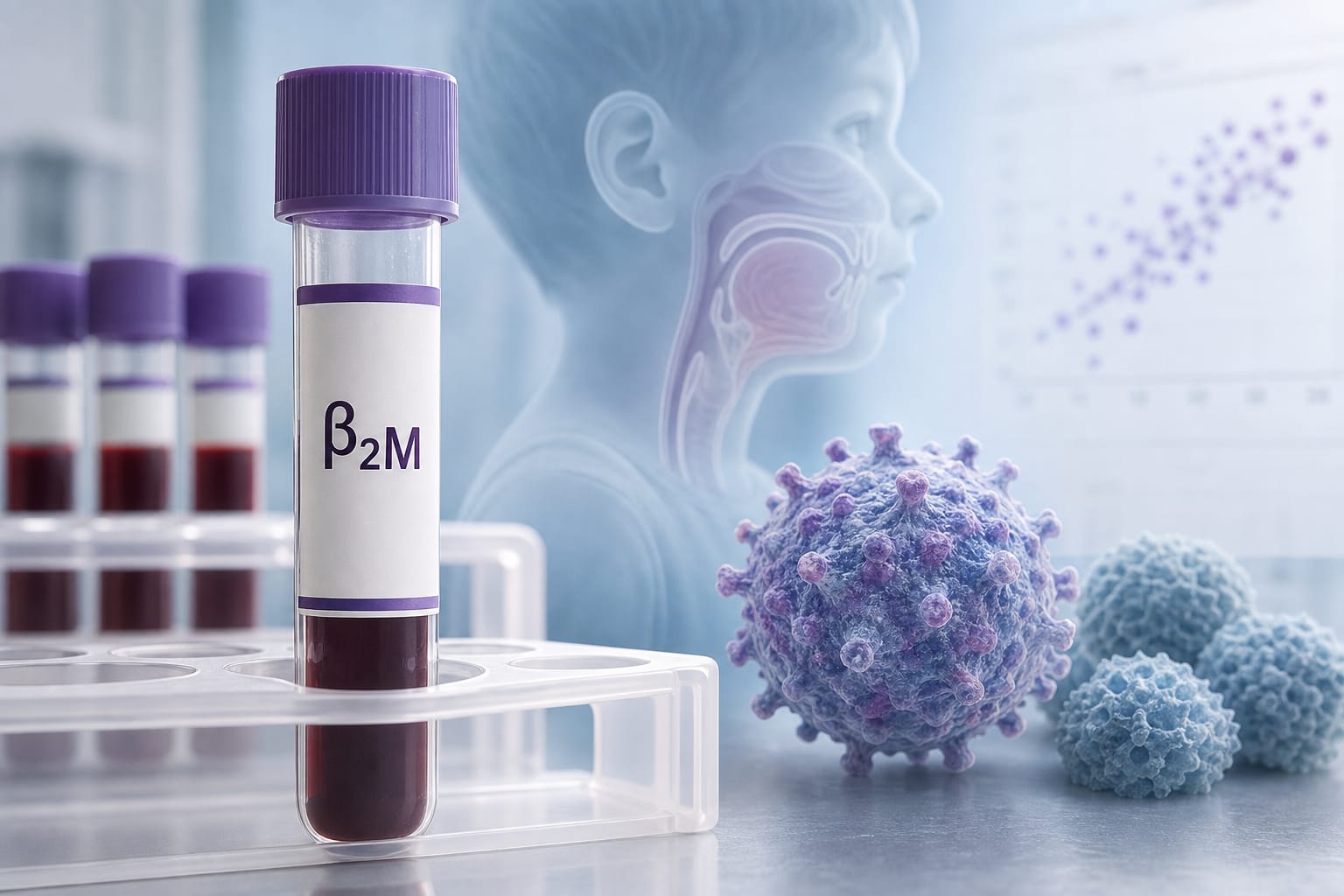
Serum beta-2 microglobulin (β2M) as a diagnostic biomarker; correlation with serum EBV-DNA concentration.
Target Population
Children aged 0–18 years with acute primary EBV infection.
Care Setting
Hospitalized pediatric patients.
Key Highlights
Serum β2M levels significantly higher in EBV-infected children compared to controls.
AUC of β2M for diagnosing EBV infection was 0.907.
Optimal threshold for β2M to predict EBV infection is 3.3 mg/L.
Serum vitamin D3 levels significantly lower in EBV-infected children.
Positive correlation between serum β2M levels and serum EBV-DNA load.
Guideline-Based Recommendations
Diagnosis
Utilize serum β2M levels alongside clinical symptoms and serum antibodies for diagnosing EBV infection.
Management
Supportive care for uncomplicated cases; antiviral agents and glucocorticoids for severe manifestations.
Monitoring & Follow-up
Monitor serum β2M levels and clinical symptoms for timely diagnosis and intervention.
Risks
Complications such as hemophagocytic lymphohistiocytosis, severe hepatitis, and airway obstruction may arise.
Patient & Prescribing Data
Children hospitalized with acute primary EBV infection.
Current management relies on supportive care; specific therapies for early infection are limited.
Clinical Best Practices
Consider serum β2M as a biomarker for early diagnosis of pediatric EBV infection.
Evaluate vitamin D levels in children with EBV infection for potential supplementation.