Risk factors associated with postoperative lymphocele in patients with gynecological malignant tumors: a systematic review and meta-analysis - Scorecard - MDSpire
Clinical Scorecard: Identifying Risk Factors for Postoperative Lymphocele in Patients with Gynecological Malignancies: A Systematic Review and Meta-Analysis
At a Glance
Category
Detail
Condition
Key Mechanisms
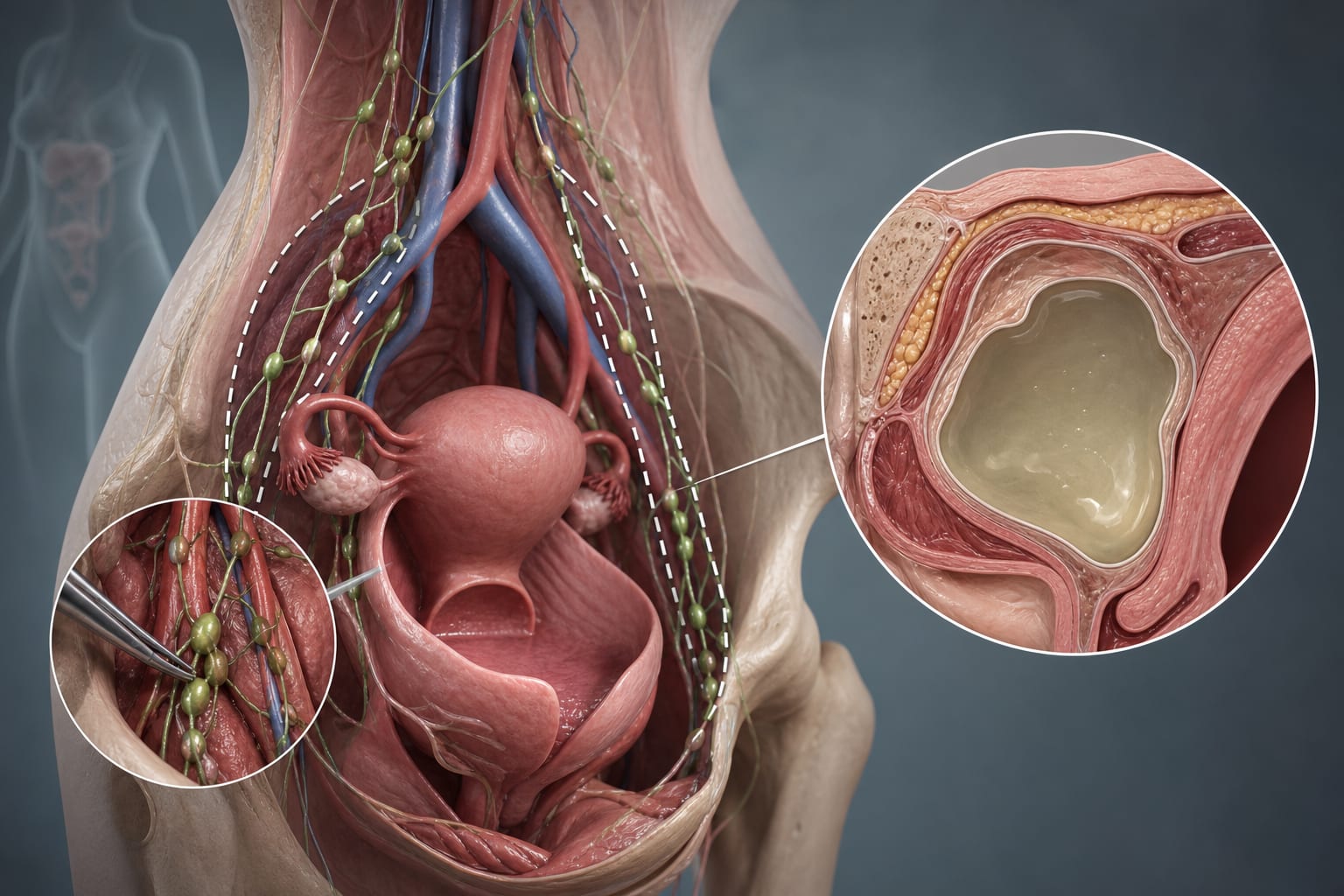
Intraoperative injury to lymphatic vessels and lymph nodes leading to lymphatic drainage disorders (source needed).
Target Population
Care Setting
Key Highlights
Pooled incidence of postoperative lymphocele is 30.18% (source needed).
Key risk factors include age >50 years, BMI ≥24 kg/m², and diabetes mellitus (source needed).
Laparotomy and resection of >20 lymph nodes significantly increase risk (source needed).
Postoperative chemotherapy and concurrent chemoradiotherapy are associated with higher lymphocele risk (source needed).
Advanced FIGO stage is a significant risk factor (source needed).
Guideline-Based Recommendations
Diagnosis
Integrate preoperative features and surgical procedures to stratify lymphocele risk (source needed).
Management
Rational planning and limited lymphadenectomy during surgery (source needed).
Standardized use of energy devices (source needed).
Monitoring & Follow-up
Optimized drainage and correction of nutritional disorders postoperatively (source needed).
Risks
Symptomatic lymphoceles may lead to complications such as infection and delays in adjuvant therapy (source needed).
Patient & Prescribing Data
Consideration of nutritional status and adjuvant therapy in management (source needed).
Clinical Best Practices
Conduct well-designed prospective studies to validate prevention strategies (source needed).
Assess and address nutritional disorders preoperatively (source needed).