Clinical Scorecard: Occludin's Role in Protecting Against HIV and Ischemic Stroke
At a Glance
Category
Detail
Condition
HIV-associated cerebrovascular disorders including ischaemic stroke
Key Mechanisms
Occludin modulates innate immune responses via mitochondrial antiviral signalling pathway affecting BBB integrity and viral replication
Target Population
People living with HIV, especially those at risk of cerebrovascular complications
Care Setting
Neurology and infectious disease clinical settings managing HIV and stroke
Key Highlights
Occludin regulates blood–brain barrier permeability and innate immune responses influencing susceptibility of brain pericytes to HIV infection.
Occludin silencing disrupts interferon-stimulated gene expression and mitochondrial antiviral signalling, leading to increased HIV replication and worsened ischaemic stroke outcomes.
Mitochondrial dysfunction linked to occludin loss impairs antiviral responses and exacerbates cerebrovascular injury in HIV infection.
Guideline-Based Recommendations
Diagnosis
Consider cerebrovascular risk assessment in people living with HIV even under effective ART with viral suppression.
Evaluate blood–brain barrier integrity and mitochondrial function as potential markers in HIV-associated neurological complications.
Management
Maintain and potentially enhance occludin expression/function to protect BBB integrity and improve innate immune responses.
Address mitochondrial dysfunction as a therapeutic target to mitigate HIV-related cerebrovascular disease.
Monitoring & Follow-up
Monitor viral loads in critical organs and neurological status in HIV patients at risk for stroke.
Assess markers of mitochondrial bioenergetics and autophagy in research or specialized clinical settings.
Risks
Persistent cerebrovascular risk despite ART due to mechanisms beyond viral replication.
Increased susceptibility of pericytes to HIV infection with occludin dysfunction leading to BBB disruption and neuroinflammation.
Patient & Prescribing Data
People living with HIV, including those with controlled viral loads on ART
Therapeutic strategies enhancing occludin function and mitochondrial health may provide dual benefits in reducing HIV replication and improving stroke outcomes.
Clinical Best Practices
Recognize the role of occludin beyond structural BBB function as an active modulator of innate immunity in HIV infection.
Incorporate mitochondrial health assessment in understanding and managing HIV-associated neurological complications.
Use animal models such as Eco-HIV-infected occludin-deficient mice to study pathophysiology and test interventions targeting occludin and mitochondrial pathways.
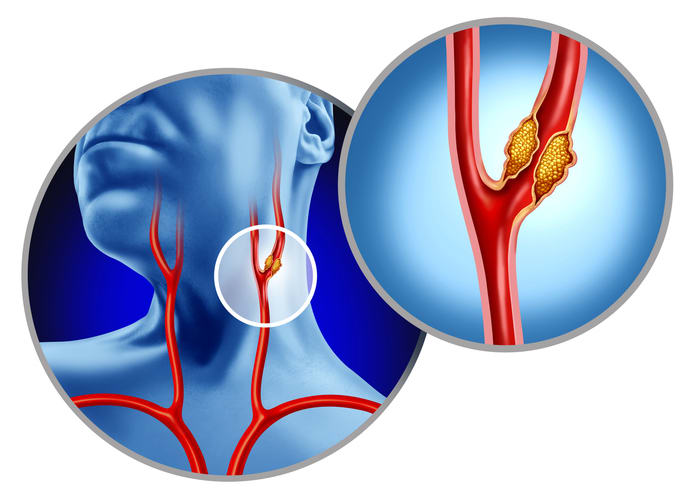
In this procedural case review, vascular surgeon Dr. Samuel Steerman performs a right carotid endarterectomy on a woman in her 60s who experienced a stroke related to carotid artery plaque.