Clinical Scorecard: Therapeutic Roles and Clinical Effectiveness of IL-5/IL-5Rα Inhibitors in Eosinophilia-Related Disorders
At a Glance
Category
Detail
Condition
Eosinophilia-Related Disorders
Key Mechanisms
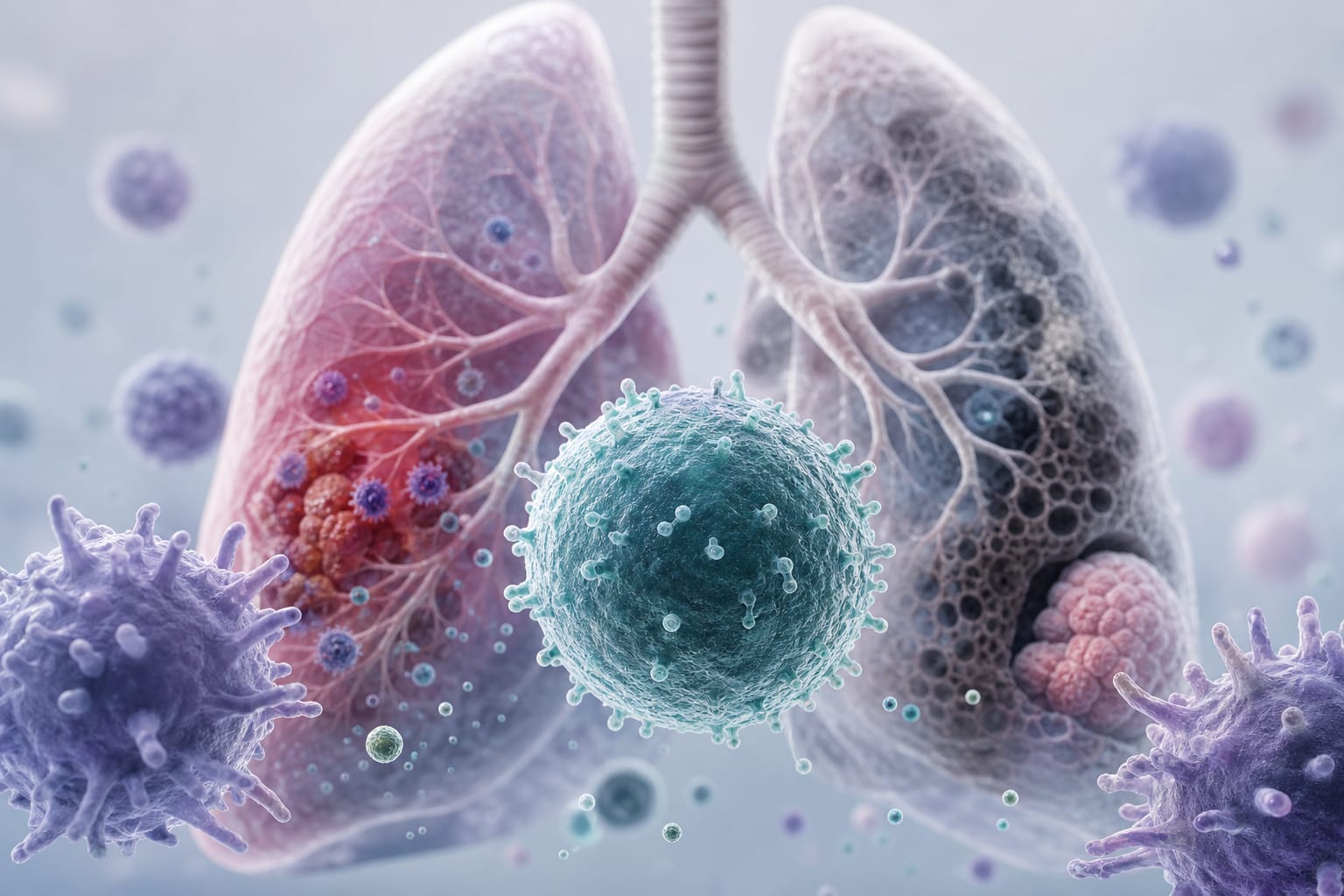
IL-5 regulates eosinophil differentiation, survival, and recruitment to inflamed tissues.
Target Population
Patients with severe eosinophilic asthma, chronic rhinosinusitis with nasal polyps, eosinophilic granulomatosis with polyangiitis, and idiopathic hypereosinophilic syndrome.
Care Setting
Clinical practice involving biologic therapies.
Key Highlights
Four biologics target the IL-5/IL-5Rα pathway: mepolizumab, reslizumab, benralizumab, and depemokimab.
Mepolizumab is approved for SEA, CRSwNP, EGPA, and HES, showing efficacy in reducing exacerbations and eosinophil levels.
Benralizumab induces rapid eosinophil depletion and is approved for SEA and EGPA.
Depemokimab offers long-acting IL-5 inhibition and is approved for SEA and CRSwNP.
Safety data indicate most adverse events are mild to moderate with no consistent major safety signals.
Guideline-Based Recommendations
Diagnosis
Diagnosis of eosinophilia-related disorders should consider clinical history, eosinophil counts, and symptom assessment.
Management
Use of IL-5/IL-5Rα inhibitors is recommended for managing severe eosinophilic asthma and other eosinophilia-associated diseases.
Monitoring & Follow-up
Monitor eosinophil levels in peripheral blood as a biomarker for treatment response.
Risks
Potential for mild to moderate adverse events; no consistent major safety signals observed.
Patient & Prescribing Data
Patients with severe eosinophilic asthma, chronic rhinosinusitis with nasal polyps, eosinophilic granulomatosis with polyangiitis, and idiopathic hypereosinophilic syndrome.
Biologics targeting IL-5/IL-5Rα have shown significant clinical benefits in reducing exacerbations and corticosteroid use.
Clinical Best Practices
Consider IL-5/IL-5Rα inhibitors for patients with uncontrolled eosinophilia-related disorders.
Regularly assess eosinophil counts to guide treatment decisions and monitor efficacy.