Validation of a portable video head impulse test using an iPod touch and an oral stabilization three-dimensional (3D) - printed mount: a method-comparison study - Scorecard - MDSpire
Advertisement
Validation of a portable video head impulse test using an iPod touch and an oral stabilization three-dimensional (3D) - printed mount: a method-comparison study
Clinical Scorecard: Assessment of a Portable Video Head Impulse Testing System Utilizing an iPod Touch and a Custom 3D-Printed Oral Stabilization Mount: A Comparative Method Study
At a Glance
Category
Detail
Condition
Unilateral Vestibular Hypofunction
Key Mechanisms
Vestibulo-ocular reflex (VOR) gain measurement
Target Population
Patients with unilateral vestibular hypofunction and healthy volunteers
Care Setting
Outpatient and community settings
Key Highlights
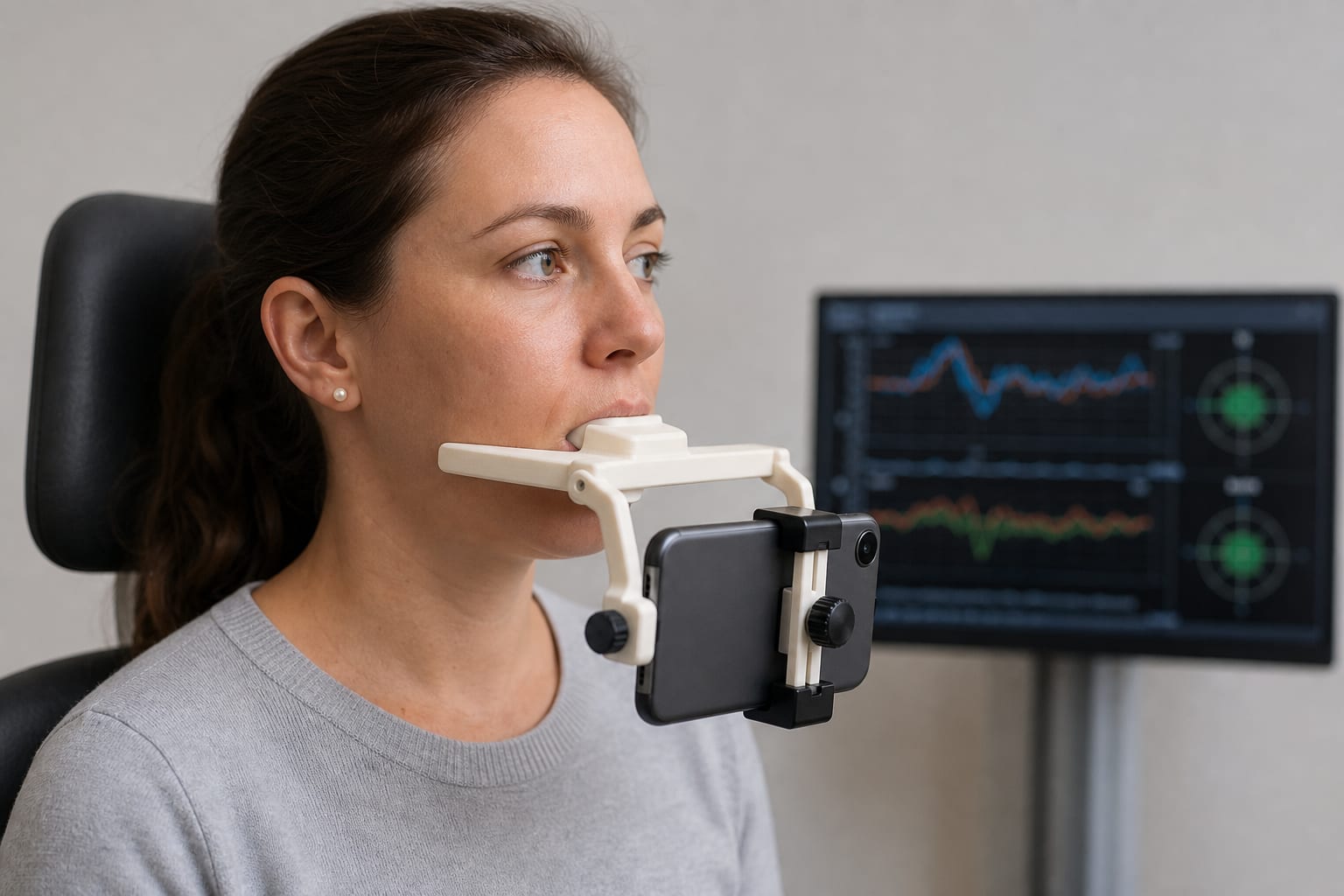
Portable vHIT system detected laterality in unilateral vestibular hypofunction.
Noninferiority of the portable system compared to a medical-grade device was established.
Mean laterality difference was 0.518 for the medical device and 0.453 for the portable system.
Bland–Altman analysis showed a bias of −0.065 between devices.
Abnormal classifications in healthy volunteers occurred in 7.1% of ears with the portable system.
Guideline-Based Recommendations
Diagnosis
Use vHIT to assess vestibular function in patients with dizziness or vertigo.
Management
Consider portable vHIT systems for improved access to vestibular testing.
Monitoring & Follow-up
Evaluate VOR gain differences between affected and unaffected sides.
Risks
Potential for false-positive classifications in healthy individuals.
Patient & Prescribing Data
Patients presenting with symptoms of dizziness or vertigo diagnosed with unilateral vestibular hypofunction.
Further validation of portable vHIT systems is needed for clinical implementation.
Clinical Best Practices
Ensure stable coupling between the recording device and the head during testing.
Utilize oral stabilization mounts to improve measurement reliability.