Two-Phase Deep Learning Approach for Diagnosing Pediatric Obstructive Sleep Apnea Using Lateral Cephalometric Images
By
Jiayi Zhang
Jiao Tan
Xuesha Tong
Huiya Wang
Yue Zhao
Jinlin Song
Yang Liu
April 21, 2026
Clinical Scorecard: Two-Phase Deep Learning Approach for Diagnosing Pediatric Obstructive Sleep Apnea Using Lateral Cephalometric Images
At a Glance
Category Detail
Condition Pediatric Obstructive Sleep Apnea-Hypopnea Syndrome (OSAHS) Key Mechanisms Intermittent partial or complete obstruction of the upper airway during sleep Target Population Children aged 1-18 years Care Setting Dental and orthodontic practices
Key Highlights
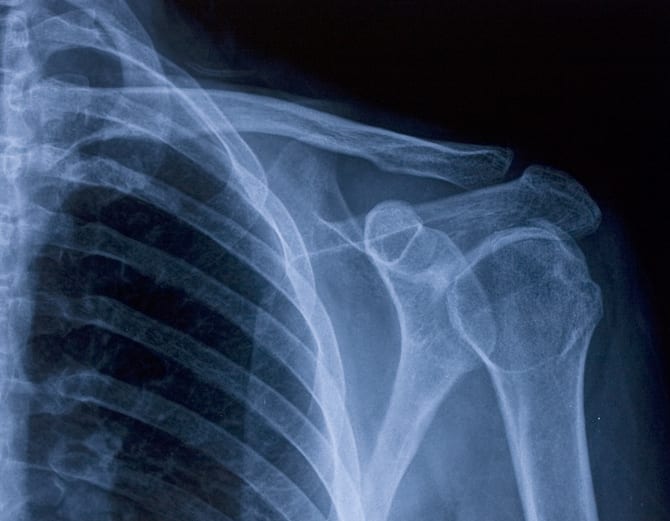
Developed an AI framework for automated diagnosis of pediatric OSAHS using lateral cephalograms Achieved an AUC of 0.945 for OSAHS classification with a fusion model AI assistance improved diagnostic accuracy for dentists by up to 0.237 Upper airway segmentation demonstrated high accuracy with a mean DSC of 0.931 Routine LCs provide a low-radiation, accessible diagnostic tool for pediatric OSAHS Guideline-Based Recommendations
Diagnosis
Utilize lateral cephalograms for opportunistic screening of pediatric OSAHS Consider AI-based models for enhanced diagnostic accuracy Management
Implement early screening and timely intervention strategies for affected children Monitoring & Follow-up
Regular assessment of apnea-hypopnea index (AHI) to evaluate severity Risks
Monitor for comorbidities such as cognitive impairments and behavioral issues Patient & Prescribing Data
Children diagnosed with OSAHS based on AHI criteria
AI framework can assist in identifying at-risk patients for timely management
Clinical Best Practices
Incorporate AI tools in routine dental assessments for OSAHS screening Use Grad-CAM for visual interpretation of diagnostic models References