Clinical Scorecard: Cutaneous Reactions on Hands and Feet Linked to Vascular Endothelial Growth Factor Receptor Tyrosine Kinase Inhibitors: A Pharmacovigilance Analysis Using FAERS Data
At a Glance
Category
Detail
Condition
Hand-foot skin reaction (HFSR)
Key Mechanisms
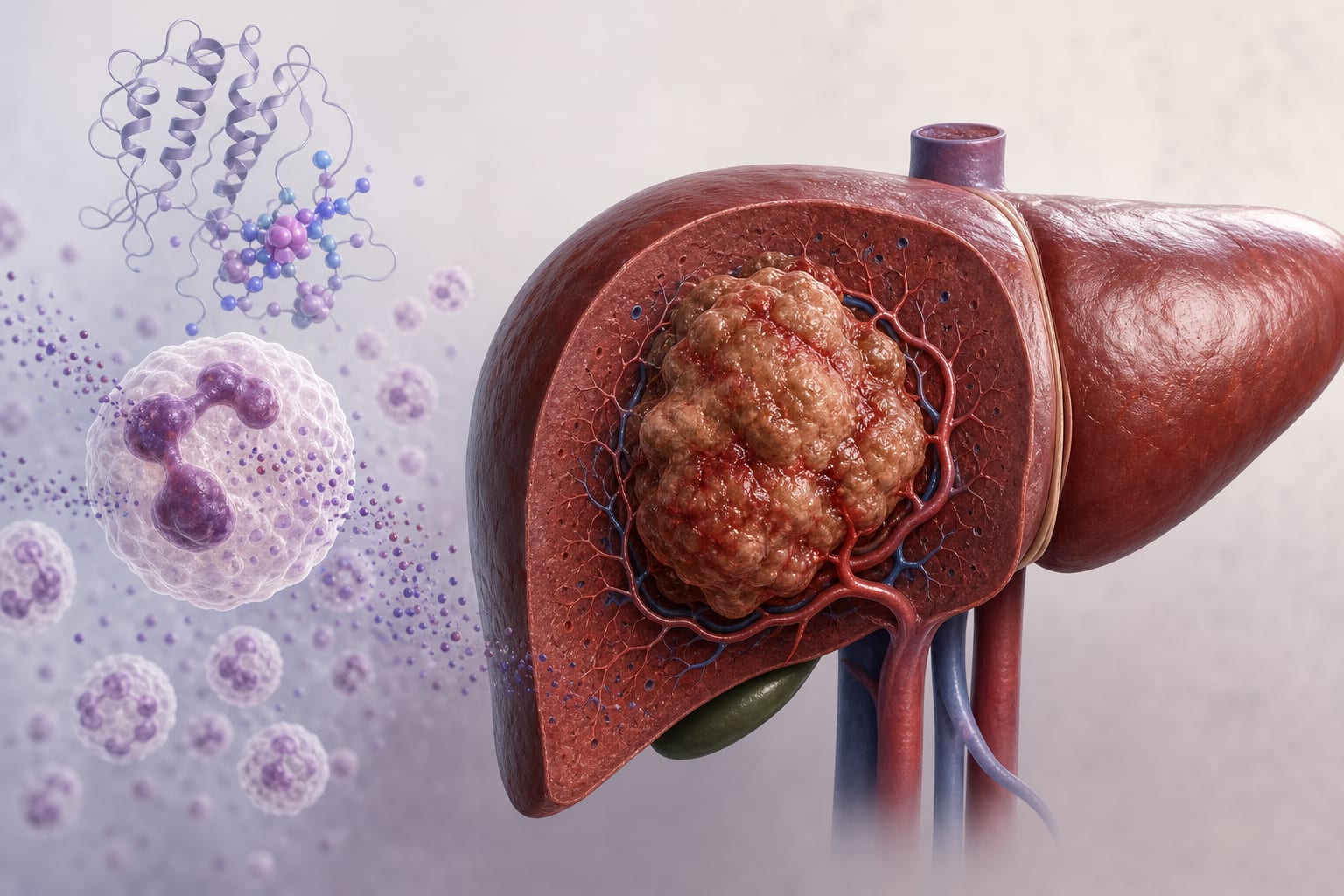
Inhibition of vascular endothelial growth factor receptor signaling pathway
Target Population
Patients receiving VEGFR-TKIs for various malignancies
Care Setting
Oncology
Key Highlights
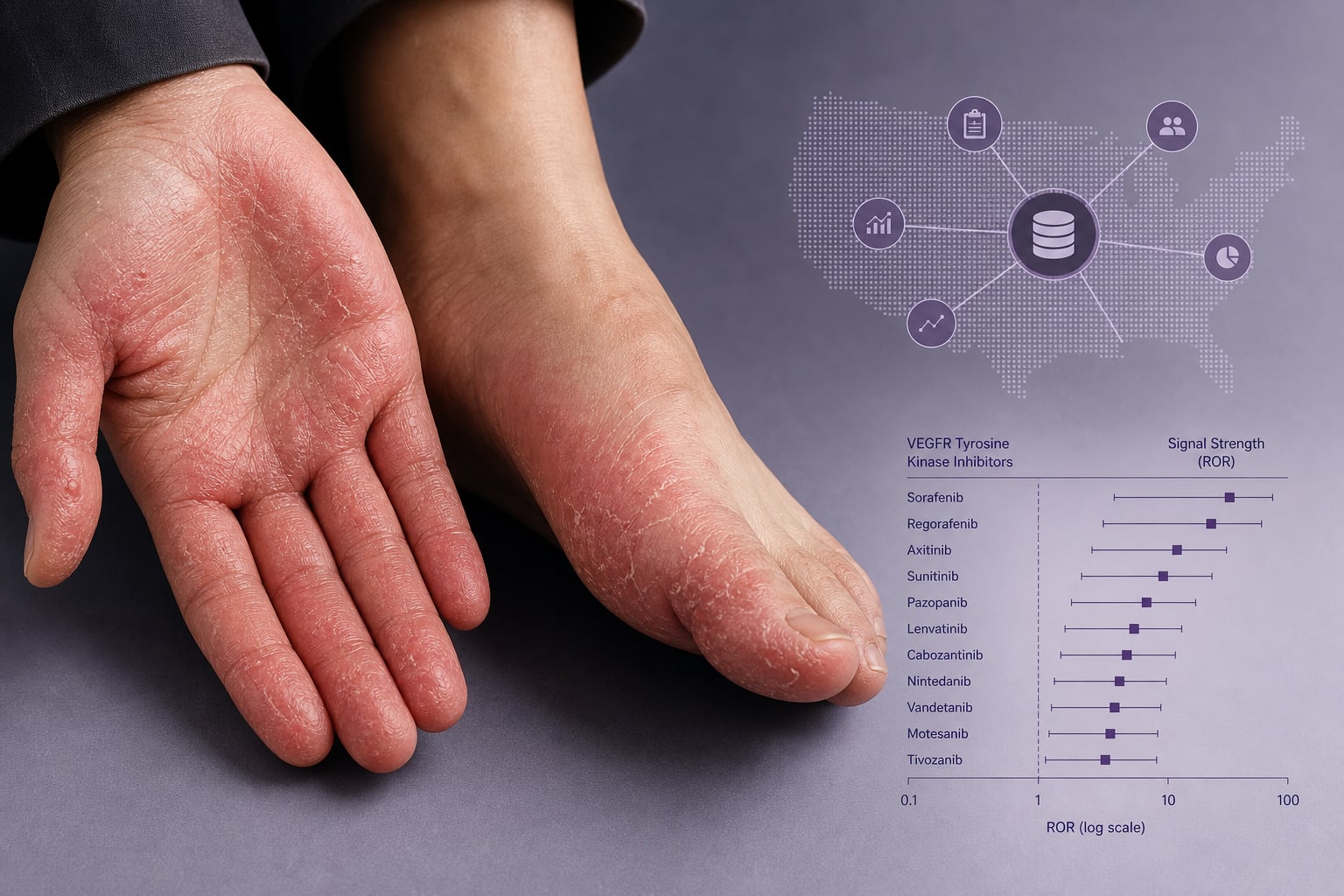
8,668 HFSR reports analyzed from FAERS database
Eight VEGFR-TKIs showed positive HFSR signals
Median time to HFSR onset was 16 days
Female patients reported stronger HFSR signals with earlier onset
Hospitalization was the most frequently reported serious outcome
Guideline-Based Recommendations
Diagnosis
Monitor for symptoms of HFSR during the initial weeks of therapy
Management
Consider dose reductions or treatment interruptions for severe HFSR
Monitoring & Follow-up
Proactive, individualized monitoring for HFSR is crucial
Risks
HFSR can lead to diminished quality of life and treatment discontinuation
Patient & Prescribing Data
Patients treated with VEGFR-TKIs
Cumulative dose of sorafenib correlates with incidence of Grade 2–3 HFSR
Clinical Best Practices
Educate patients on the signs and symptoms of HFSR
Implement early intervention strategies for managing HFSR