Clinical Scorecard: Reassessing Cardiovascular Risk Assessment for Cancer Survivors: Navigating Future Challenges
At a Glance
Category
Detail
Condition
Increased cardiovascular disease risk in cancer survivors
Key Mechanisms
Traditional CV risk factors, cancer-specific pro-inflammatory and pro-coagulant states, cardiotoxic cancer therapies
Target Population
Cancer survivors and patients living with cancer
Care Setting
Oncology and cardiology outpatient and survivorship care
Key Highlights
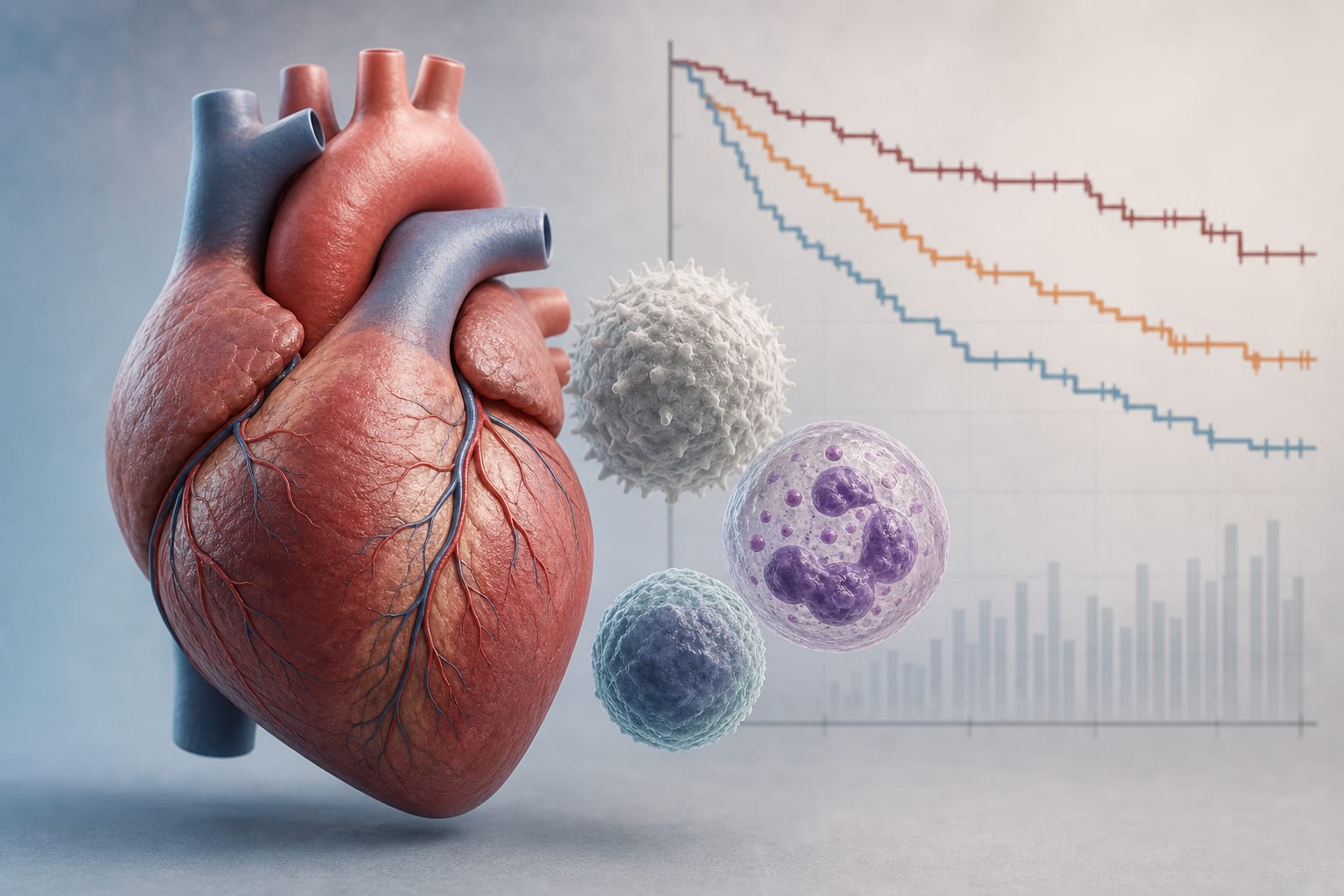
Cancer survivors have elevated cardiovascular risk that may surpass cancer mortality in some populations.
Conventional CV risk prediction tools like SCORE2 underestimate risk in cancer populations.
Recalibration of existing risk tools shows potential to improve risk prediction but requires further validation.
Guideline-Based Recommendations
Diagnosis
Use guideline-recommended monitoring strategies and baseline cardiotoxicity risk tools during active cancer treatment phase.
Recognize limitations of general CV risk tools in cancer survivors due to lack of cancer-specific variables.
Management
Apply cardio-protection and closer cardiac monitoring guided by risk assessment during and after cancer treatment.
Consider cancer therapy-related cardiotoxicity and other CV toxicities in management plans.
Monitoring & Follow-up
Monitor for cancer therapy-related cardiac dysfunction, hypertension, arrhythmias, thrombosis, accelerated atherosclerosis, and pulmonary hypertension during active treatment.
Long-term CV risk monitoring in cancer survivors is necessary but lacks specific guidance.
Risks
Cancer-specific factors including pro-inflammatory and pro-coagulant states increase CV risk beyond traditional factors.
Heterogeneity in CV risk exists across cancer types, sex, and time since diagnosis.
Patient & Prescribing Data
Cancer patients within 4 years of diagnosis, including those over 70 years
Recalibration of SCORE2 risk tool improved risk prediction moderately (C-statistic ~0.693), but clinical utility remains unproven and requires external validation.
Clinical Best Practices
Distinguish between active cancer phase (focus on cardiotoxicity) and survivor phase (long-term CV risk).
Use existing cardiotoxicity risk tools during active treatment for baseline risk assessment.
Recognize limitations of general CV risk tools in cancer survivors and interpret results cautiously.
Await further research and external validation before adopting recalibrated risk tools clinically.
Consider individual patient factors including cancer type, sex, and time since diagnosis when assessing CV risk.