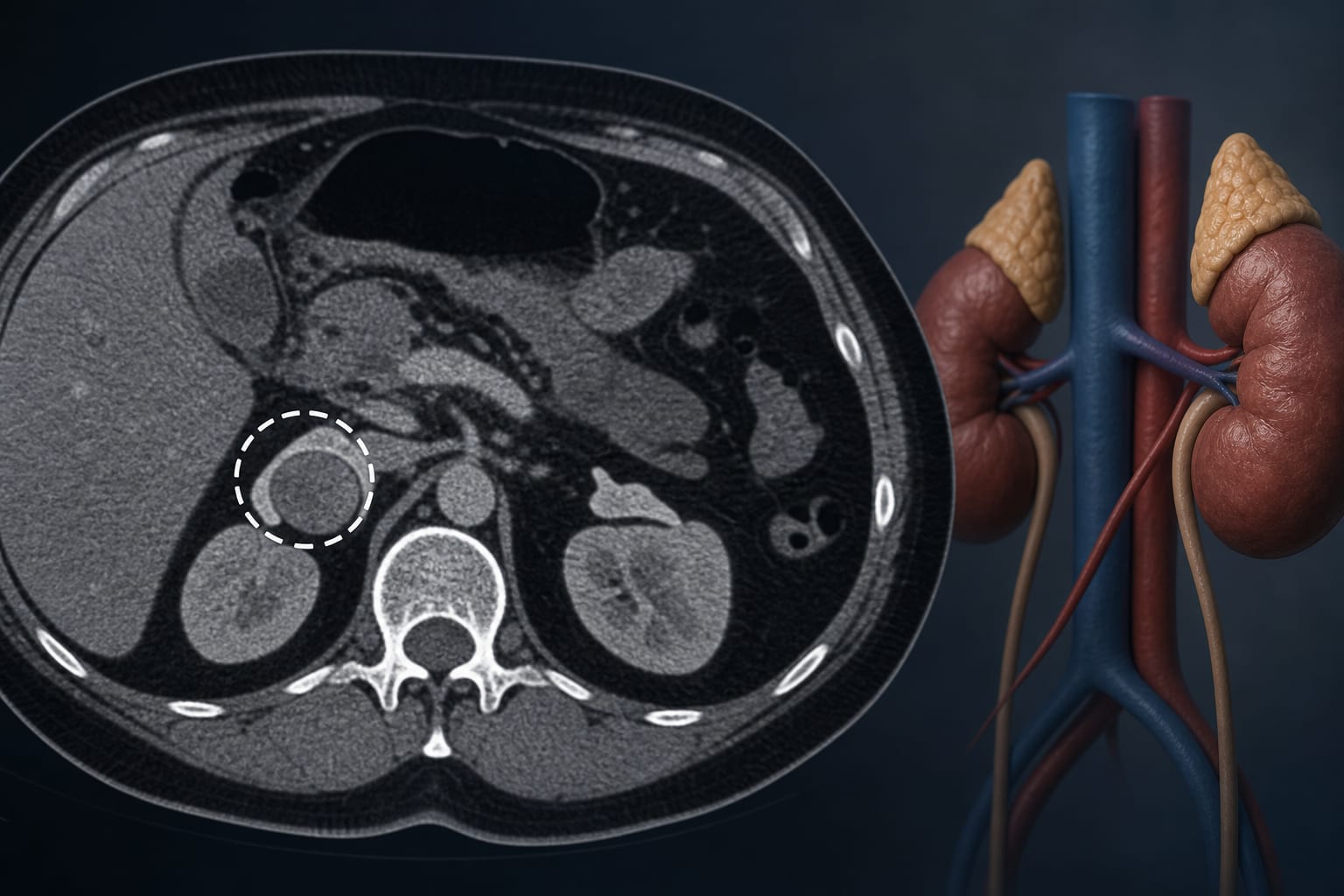
Clinical response to FGFR inhibitors in patients with FGFR2-amplified advanced gastric cancer: two case reports
-
By
-
Jing-Jing Li
-
Yu- Qian
-
Hui-Ting Xu
-
Yan-Li Nie
-
July 7, 2026
-
Clinical Scorecard: Treatment Outcomes of FGFR Inhibitors in Advanced Gastric Cancer Patients with FGFR2 Amplification: A Report on Two Cases
At a Glance
| Category | Detail |
|---|
| Condition | Advanced Gastric Cancer with FGFR2 Amplification |
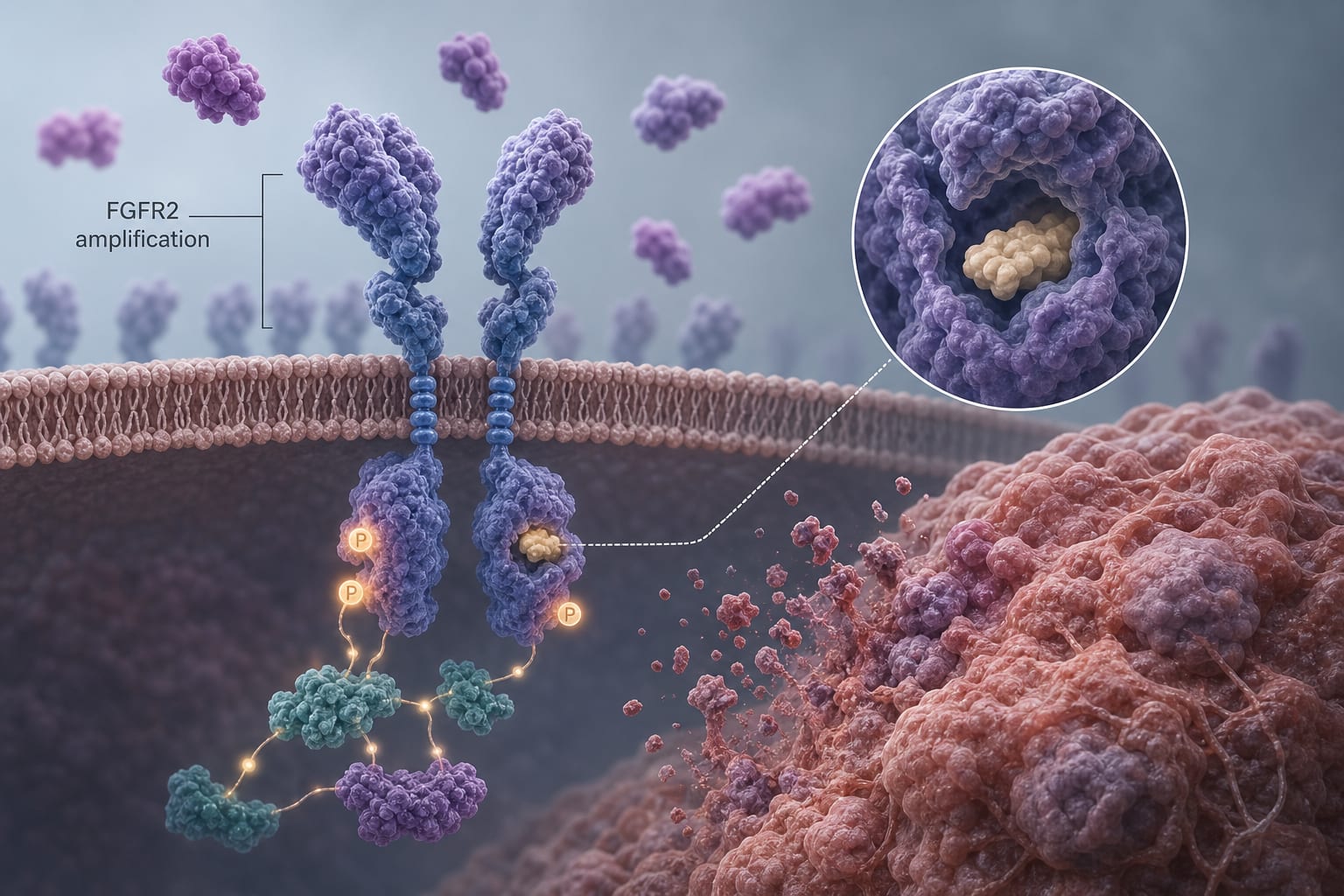
| Key Mechanisms | FGFR signaling pathway activation due to gene amplification, leading to tumorigenesis and resistance to therapies. |
| Target Population | Patients with FGFR2-amplified advanced gastric cancer who are intolerant to chemotherapy. |
| Care Setting | Oncology clinical practice with a focus on targeted therapy. |
Key Highlights
- FGFR2 amplification is associated with worse survival in gastric cancer.
- Two cases demonstrated the efficacy of FGFR inhibitors pemigatinib and infigratinib.
- Both patients experienced manageable adverse events related to FGFR inhibitors.
- Next-generation sequencing guided the identification of FGFR2 amplification.
- The study highlights the potential of precision therapy in advanced gastric cancer.
Guideline-Based Recommendations
Diagnosis
- Next-generation sequencing should be utilized to identify FGFR2 amplification in gastric cancer patients.
Management
- Consider FGFR inhibitors such as pemigatinib and infigratinib for patients with FGFR2 amplification who are intolerant to chemotherapy.
Monitoring & Follow-up
- Monitor for adverse events such as keratitis, onychotoxicity, and hyperphosphatemia during FGFR inhibitor therapy.
Risks
- Patients with FGFR2 amplification have significantly worse survival outcomes compared to those without.
Patient & Prescribing Data
Patients with advanced gastric cancer and FGFR2 amplification.
FGFR inhibitors can lead to significant clinical improvements and symptom relief in this patient population.
Clinical Best Practices
- Utilize next-generation sequencing for precision therapy in advanced gastric cancer.
- Assess performance status and treatment tolerance before initiating therapy.
Related Resources & Content