Current Status and Associated Factors of Technophobia Toward Digital Health Technologies Among Older Patients With Stroke: Mixed Methods Study - Scorecard - MDSpire
Conexiant’s news site is now MDSpire News. Learn more
Advertisement
Exploring the Current Landscape and Influencing Factors of Technophobia Regarding Digital Health Technologies in Older Stroke Patients: A Mixed Methods Approach
Clinical Scorecard: Exploring the Current Landscape and Influencing Factors of Technophobia Regarding Digital Health Technologies in Older Stroke Patients: A Mixed Methods Approach
At a Glance
Category
Detail
Condition
Stroke
Key Mechanisms
Technophobia affecting acceptance and use of digital health technologies.
Target Population
Older stroke patients.
Care Setting
Long-term poststroke health management.
Key Highlights
Stroke is a leading cause of adult mortality and disability worldwide.
Digital health technologies can enhance health service continuity and accessibility.
Older stroke patients may experience technophobia, impacting technology use.
Technophobia is distinct from digital-skill deficits and low eHealth literacy.
Technophobia may hinder participation in health-promoting behaviors.
Guideline-Based Recommendations
Diagnosis
Assess for technophobia using the Technophobia Scale.
Management
Implement strategies to address technophobia in older stroke patients.
Monitoring & Follow-up
Monitor acceptance and use of digital health technologies among older patients.
Risks
Technophobia may lead to reduced engagement in health management.
Patient & Prescribing Data
Older adults with stroke.
Focus on enhancing digital health technology acceptance.
Clinical Best Practices
Provide adequate support and training for older patients using digital health technologies.
Consider cognitive and functional limitations when introducing technology.
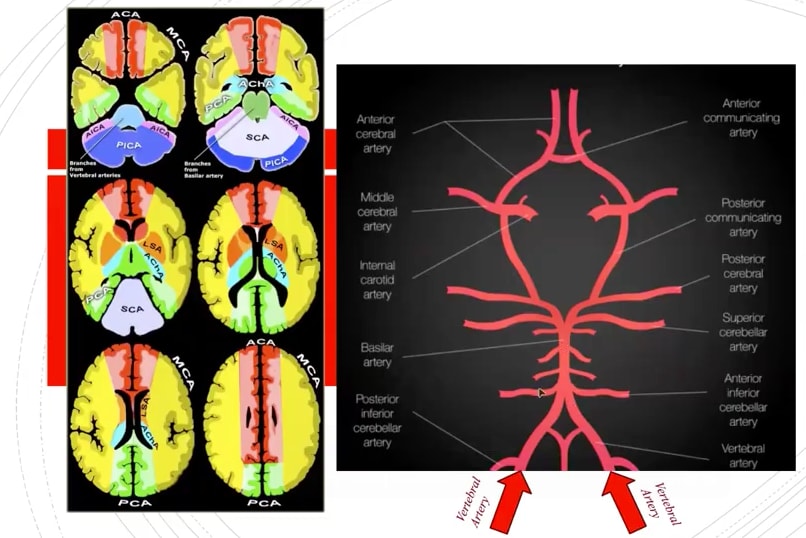
Bowhunter syndrome (BHS) is a rare but important cause of posterior circulation stroke in children, resulting from vertebral artery compression during head rotation.