Robotic-assisted spinal surgery improves outcomes - Scorecard - MDSpire
Coming Soon: Introducing MDSpire News. Learn more
Conexiant’s news site is now MDSpire News. Learn more

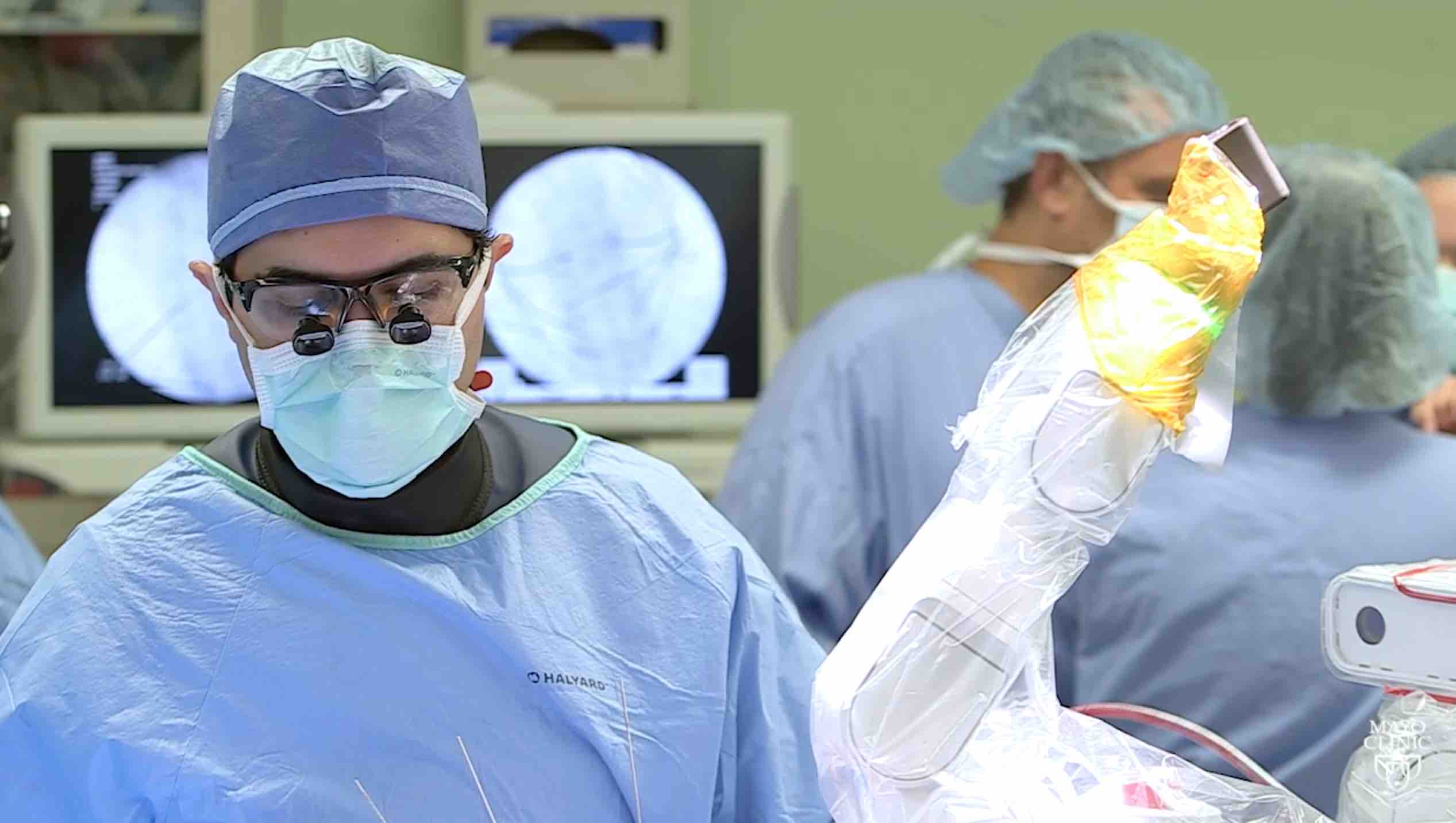
Robotic-assisted spinal surgery improves outcomes

  • January 29, 2019

Share

Clinical Scorecard: Robotic-assisted spinal surgery improves outcomes

At a Glance

CategoryDetail
ConditionDegenerative spine disease
Key MechanismsRobotic guidance for spinal instrumentation placement
Target PopulationPatients with degenerative spine disease
Care SettingSurgical, specifically neurosurgery

Key Highlights

  • Robotic-assisted surgery leads to less need for pain medications
  • Patients experience faster recovery times
  • Techniques used for spinal decompression and fusion

Guideline-Based Recommendations

Diagnosis

  • Assessment of degenerative spine disease via imaging and clinical evaluation

Management

  • Utilization of robotic-assisted techniques for spinal surgery

Monitoring & Follow-up

  • Post-operative assessment of pain levels and recovery progress

Risks

  • Potential complications associated with spinal surgery, though reduced with robotic assistance

Patient & Prescribing Data

Individuals undergoing spinal surgery for degenerative conditions

Robotic assistance may enhance surgical outcomes and reduce reliance on pain management

Clinical Best Practices

  • Incorporate robotic guidance in spinal instrumentation procedures
  • Monitor patient recovery closely post-surgery
  • Educate patients on the benefits of robotic-assisted surgery

Related Resources & Content

Original Source(s)

Related Content