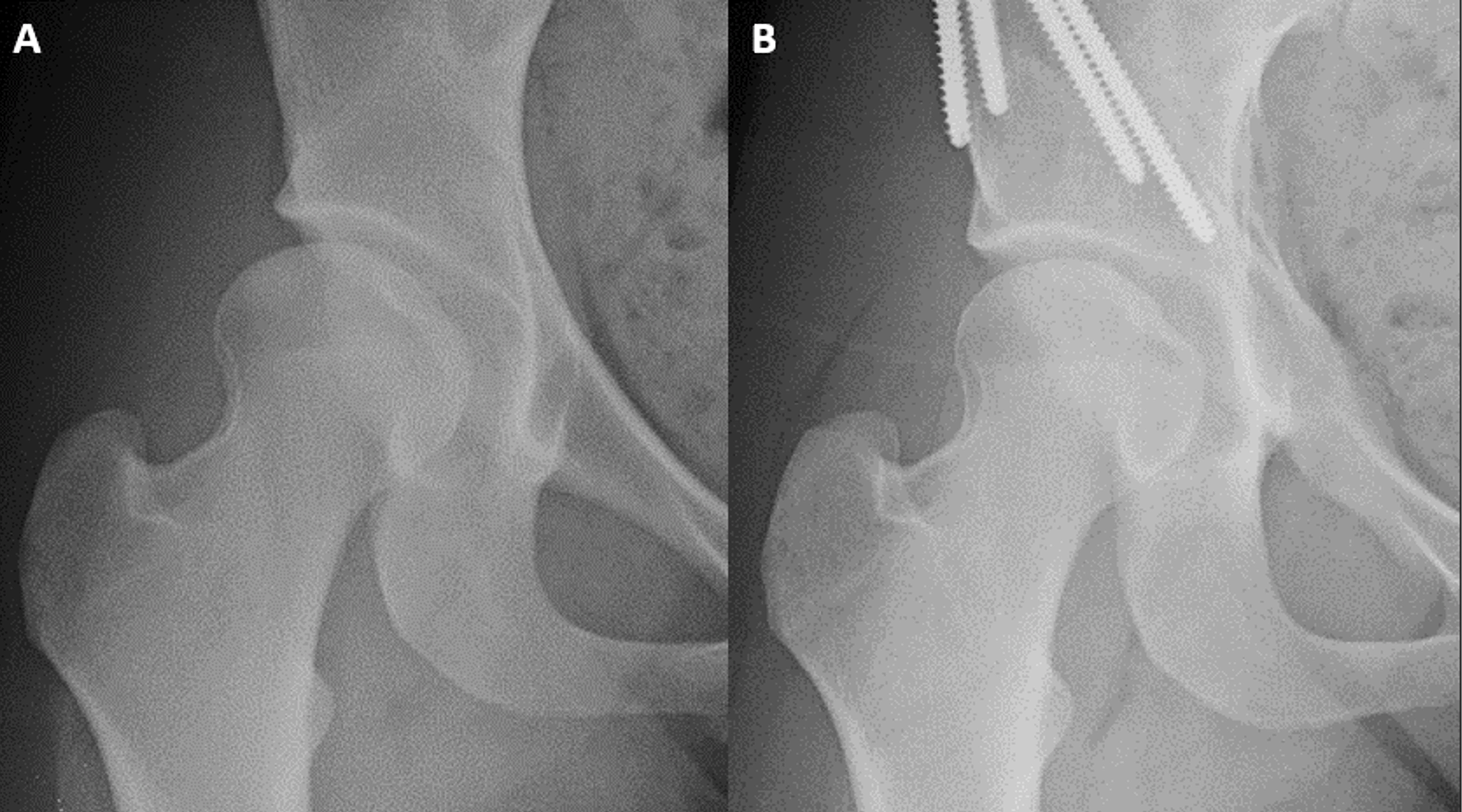
Joint Preservation Surgery Shows Promise in Young Adults with Hip Dysplasia
Periacetabular osteotomy (PAO) surgery corrects the deformed hip socket dysplastic to increase contact between the ball and socket, thereby reducing pain and improving stability and function.
Clinical Scorecard: Joint Preservation Surgery Shows Promise in Young Adults with Hip Dysplasia
At a Glance
Category Detail
Condition Hip Dysplasia Key Mechanisms Periacetabular osteotomy (PAO) corrects the deformed hip socket to improve stability and function. Target Population Young adults aged 14 to 45 with borderline acetabular dysplasia and no substantial arthritis. Care Setting Specialized orthopedic centers with trained surgeons.
Key Highlights
95% hip longevity at 10 years post-PAO. 94.9% symptom improvement in patients undergoing primary PAO. 91.2% patient satisfaction rate after PAO. PAO can delay or prevent secondary osteoarthritis. Specialized training and technology are crucial for successful PAO outcomes. Guideline-Based Recommendations
Diagnosis
Timely diagnosis of hip dysplasia is critical; symptoms can mimic other injuries. Management
Consider PAO for patients with hip dysplasia and no significant arthritis. Monitoring & Follow-up
Follow-up assessments to evaluate hip function and symptom relief post-PAO. Risks
Potential for misdiagnosis leading to delayed treatment. Patient & Prescribing Data
Young, active individuals with hip dysplasia.
PAO is effective in restoring function and alleviating pain.
Clinical Best Practices
Refer patients to specialized centers for PAO surgery. Educate medical community on recognizing hip dysplasia symptoms. References