Hospital-acquired infections in preterm infants with gestational age <32 weeks: a retrospective study of clinical characteristics, pathogen distribution, and associated factors - Scorecard - MDSpire
Advertisement
Hospital-acquired infections in preterm infants with gestational age <32 weeks: a retrospective study of clinical characteristics, pathogen distribution, and associated factors
Clinical Scorecard: Infections Acquired in Hospitals Among Preterm Infants Born Before 32 Weeks: A Retrospective Analysis of Clinical Features, Pathogen Types, and Contributing Factors
At a Glance
Category
Detail
Condition
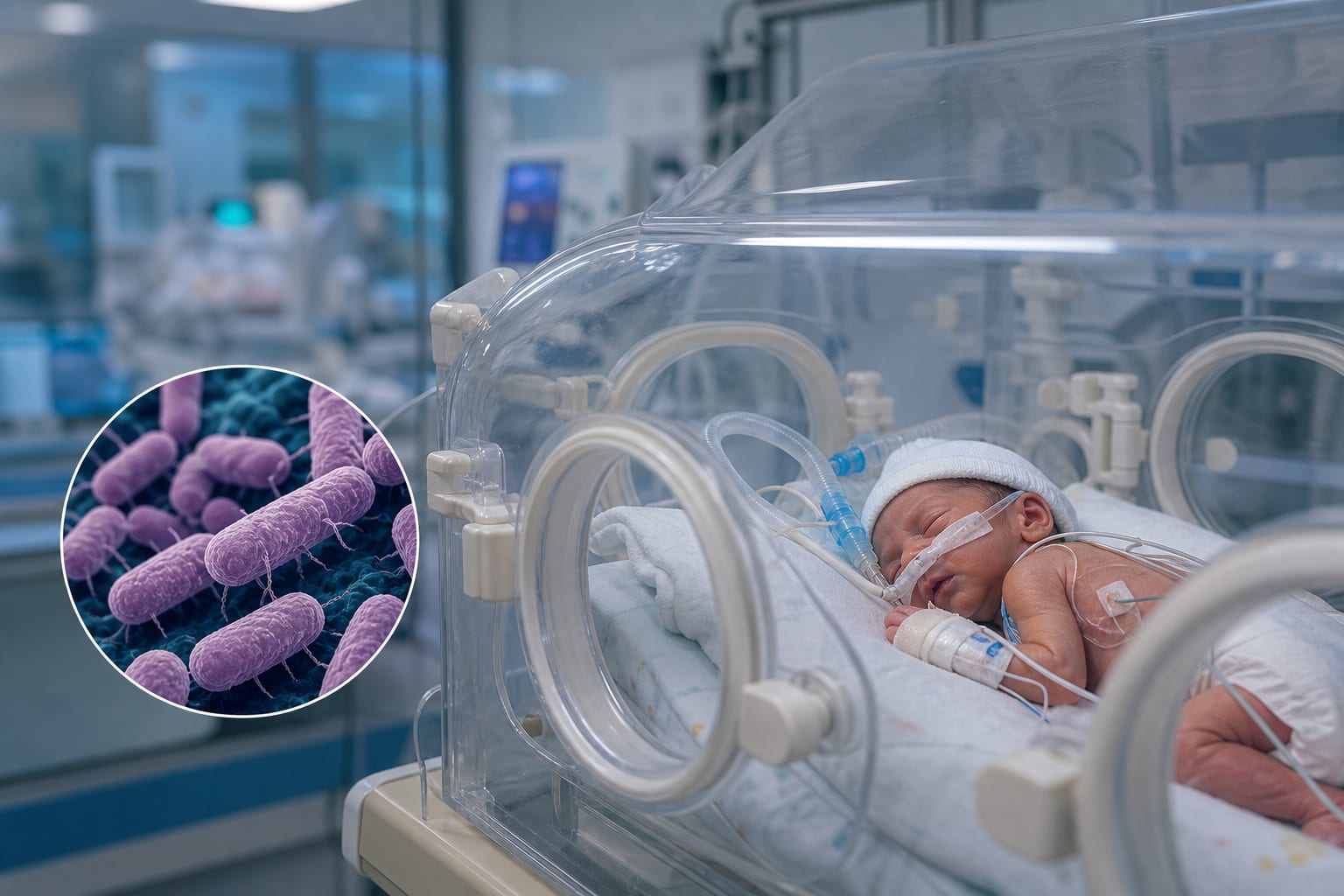
Nosocomial infections in preterm infants <32 weeks gestation, including respiratory tract infections, bloodstream infections, and others.
Key Mechanisms
Target Population
Care Setting
Key Highlights
31.18% of infants developed nosocomial infections, with respiratory tract infections accounting for 13.53% of cases.
Klebsiella pneumoniae was the most frequent pathogen identified in the study.
Guideline-Based Recommendations
Diagnosis
Monitor for signs of nosocomial infections in preterm infants, including fever, lethargy, and feeding intolerance.
Management
Monitoring & Follow-up
Risks
Patient & Prescribing Data
Focus on modifiable risk factors for infection prevention, including specific protocols for vitamin D supplementation.
Clinical Best Practices
Enhance infection control protocols in NICUs, including hand hygiene, use of personal protective equipment, and environmental cleaning.