Translation, cross-cultural adaptation and preliminary application of the premature infant oral motor intervention in Chinese neonatal nursing practice: a pilot randomized controlled trial - Scorecard - MDSpire
Advertisement
Translation, cross-cultural adaptation and preliminary application of the premature infant oral motor intervention in Chinese neonatal nursing practice: a pilot randomized controlled trial
Clinical Scorecard: Cultural Translation and Initial Validation of the Premature Infant Oral Motor Intervention for Neonatal Nursing in China: A Pilot Randomized Controlled Study
At a Glance
Category
Detail
Condition
Preterm Infants
Key Mechanisms
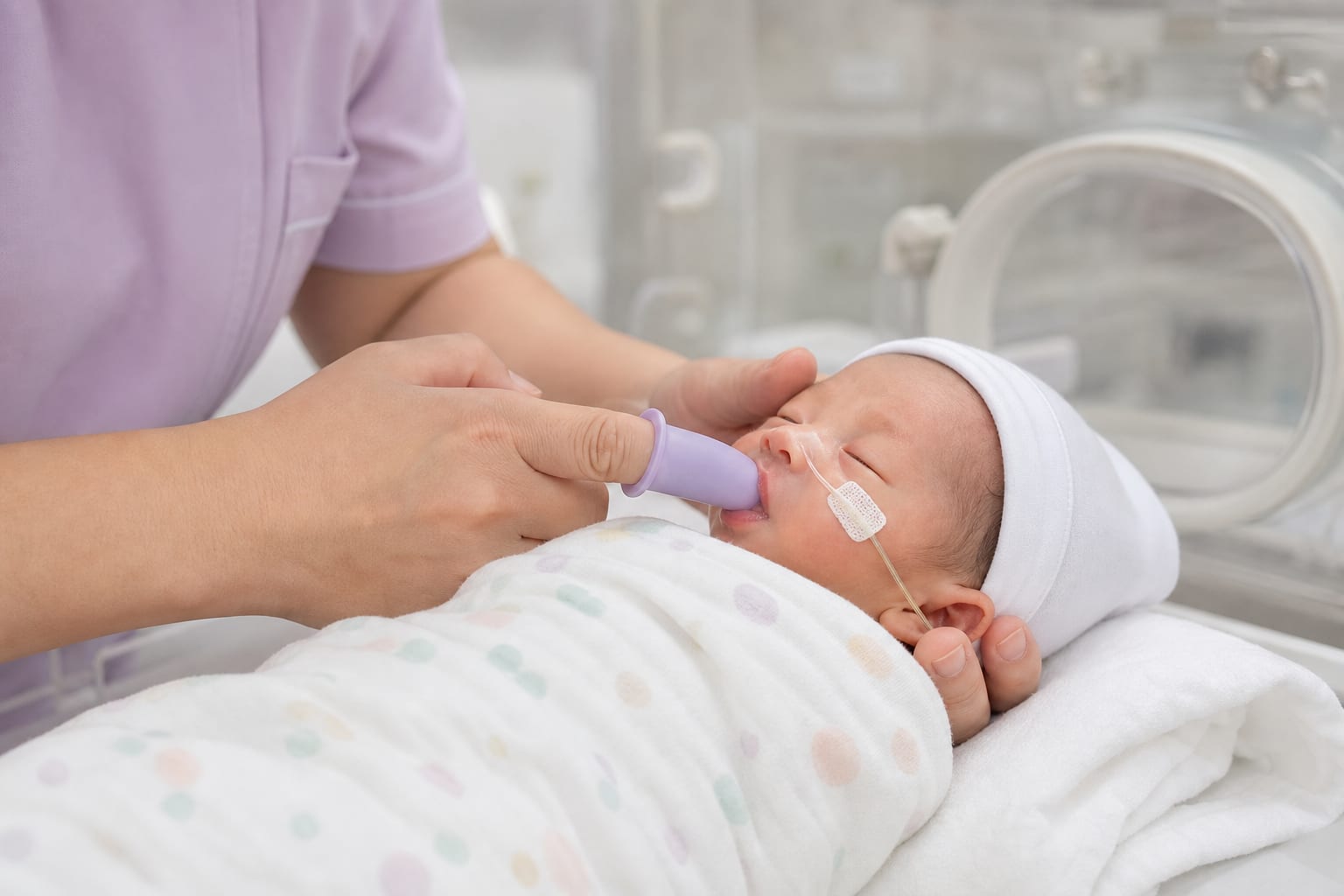
Oral motor intervention to enhance oral-motor skills and sucking performance.
Target Population
Very preterm infants born at 26–29 weeks of gestation.
Care Setting
Neonatal Intensive Care Units (NICUs) in mainland China.
Key Highlights
The CMV-PIOMI shows satisfactory content validity and acceptable implementation consistency.
Preliminary evidence suggests improved oral sucking performance in very preterm infants.
The intervention protocol is a standardized, five-minute, eight-step manual.
Guideline-Based Recommendations
Diagnosis
Assessment of suck-swallow-breath (SSwB) coordination in preterm infants.
Management
Implementation of the CMV-PIOMI to enhance oral feeding readiness.
Monitoring & Follow-up
Evaluation of oral sucking ability and feeding performance.
Risks
Impaired nutrient intake and long-term neurodevelopmental impairments due to feeding difficulties.
Patient & Prescribing Data
Very preterm infants in NICUs.
CMV-PIOMI is feasible for delivery by bedside nurses.
Clinical Best Practices
Utilize a standardized protocol to reduce fatigue in fragile preterm infants.
Incorporate both oral stimulation and non-nutritive sucking in interventions.