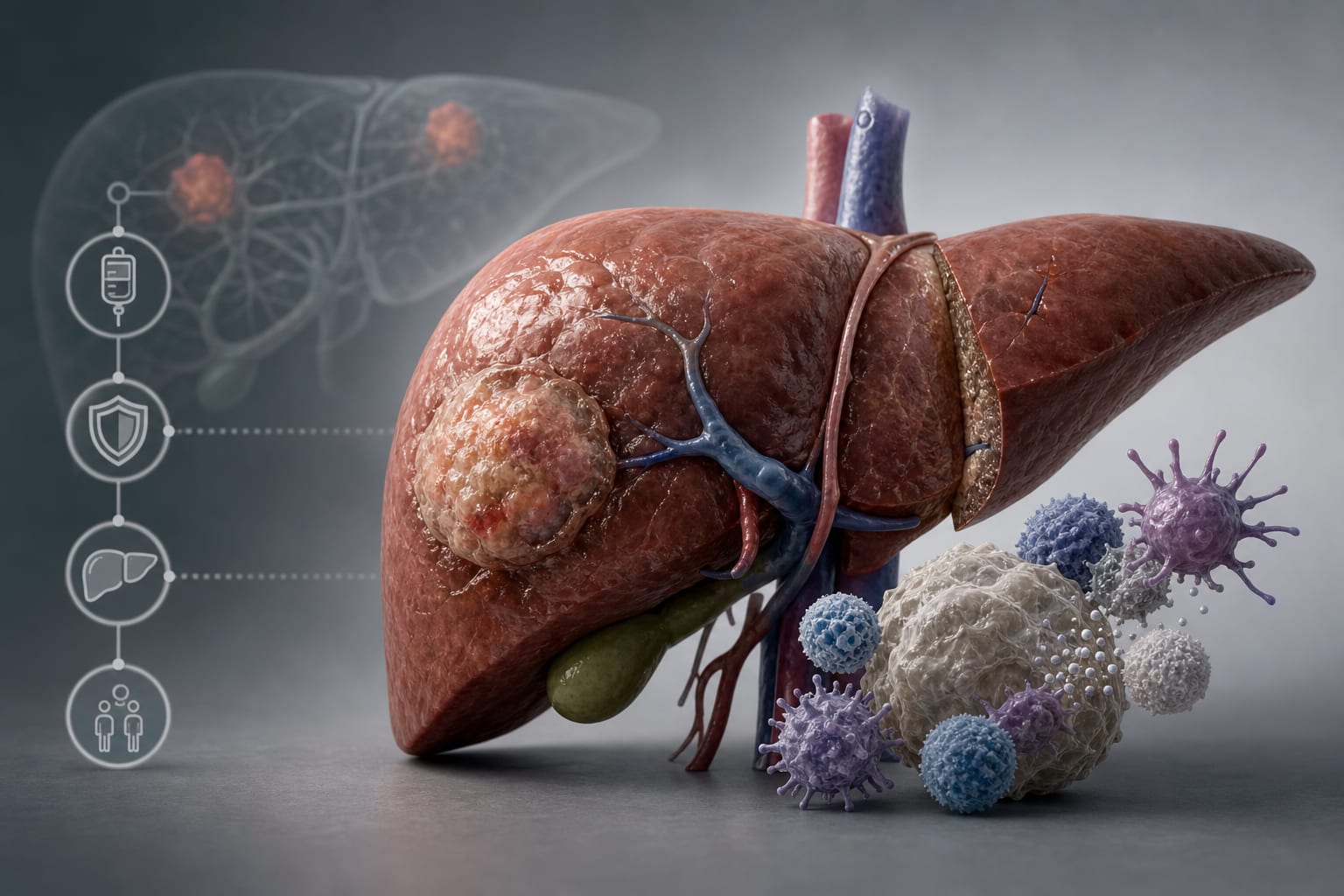
Hepatobiliary surgery in the era of immunotherapy: integrating surgical timing, immune surveillance, and recurrence prevention
-
By
-
Jingyi Xu
-
Lei Yang
-
Shuang Wang
-
Liusheng Wu
-
Yuehua Liang
-
Xialin Xie
-
Wenqiang Wang
-
Lu Gao
-
Jun Yan
-
July 1, 2026
-
Clinical Scorecard: Advancements in Hepatobiliary Surgery Amidst Immunotherapy: Balancing Surgical Timing, Immune Monitoring, and Recurrence Mitigation
At a Glance
| Category | Detail |
|---|
| Condition | Hepatobiliary malignancies including HCC and BTC |
| Key Mechanisms | Influence of immunotherapy on surgical timing and decision-making |
| Target Population | Patients with hepatobiliary cancers undergoing surgery |
| Care Setting | Surgical oncology and multidisciplinary cancer care |
Key Highlights
- Immuno-surgical resectability integrates immune response with surgical feasibility.
- Neoadjuvant immunotherapy shows potential for improved relapse-free survival in HCC.
- Surgical timing must consider immune-related adverse events and tumor biology.
- Lymphadenectomy is crucial for staging and may impact immunotherapy efficacy.
- Pre-transplant ICI exposure requires careful management of washout periods.
Guideline-Based Recommendations
Diagnosis
- Assess tumor extent, liver reserve, and immune-related toxicity before surgery.
Management
- Consider neoadjuvant immunotherapy for selected patients with HCC and BTC.
Monitoring & Follow-up
- Monitor alpha-fetoprotein or CA19-9 kinetics and liver function post-therapy.
Risks
- Short washout periods after ICI therapy may increase rejection risk in transplant candidates.
Patient & Prescribing Data
Patients with hepatobiliary malignancies requiring surgical intervention.
ICIs and TKIs may improve surgical outcomes but require careful timing and monitoring.
Clinical Best Practices
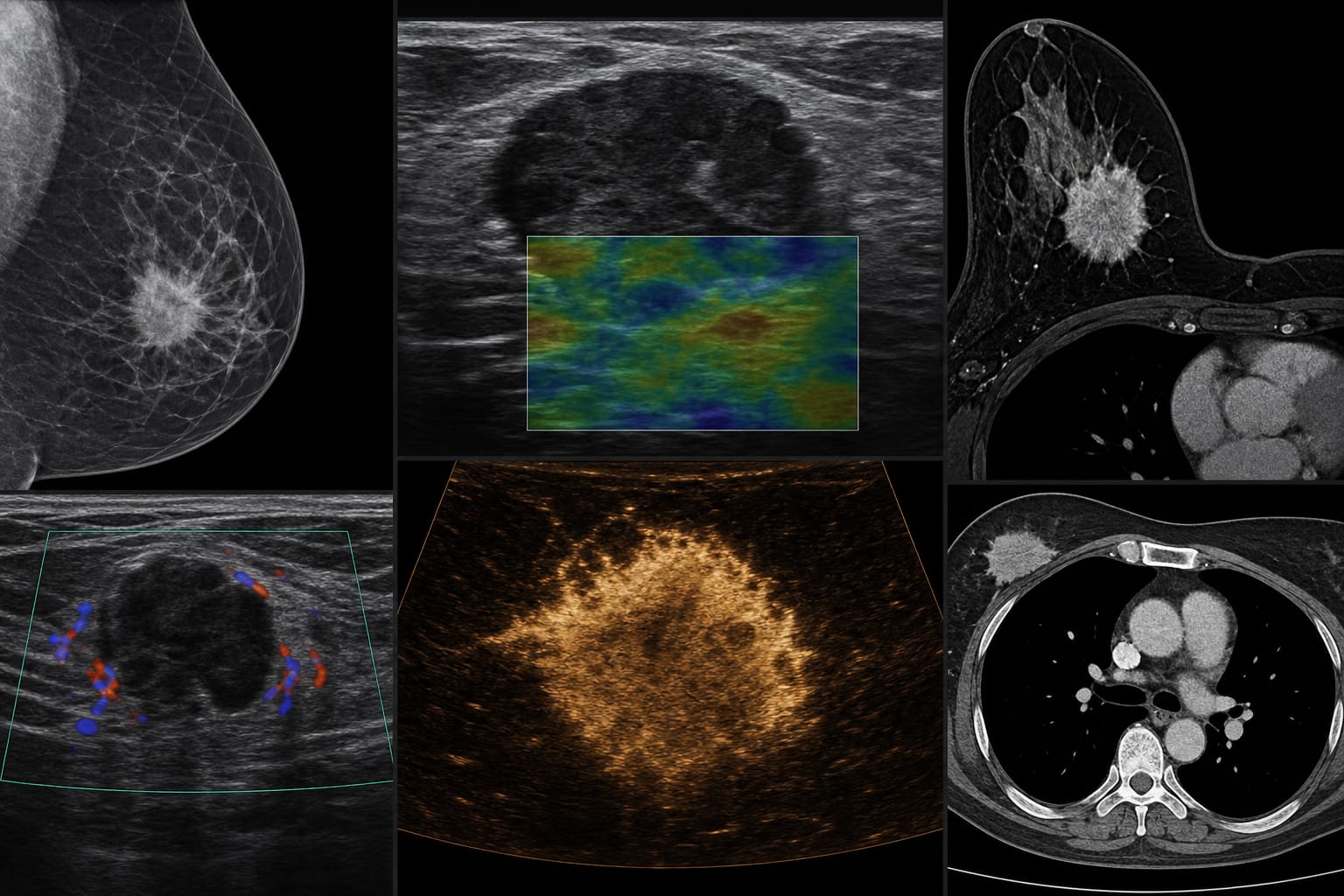
- Integrate imaging and biomarkers in surgical decision-making.
- Ensure multidisciplinary evaluation for transplant candidates post-ICI therapy.
- Reassess surgical feasibility based on tumor response and liver function.
Related Resources & Content