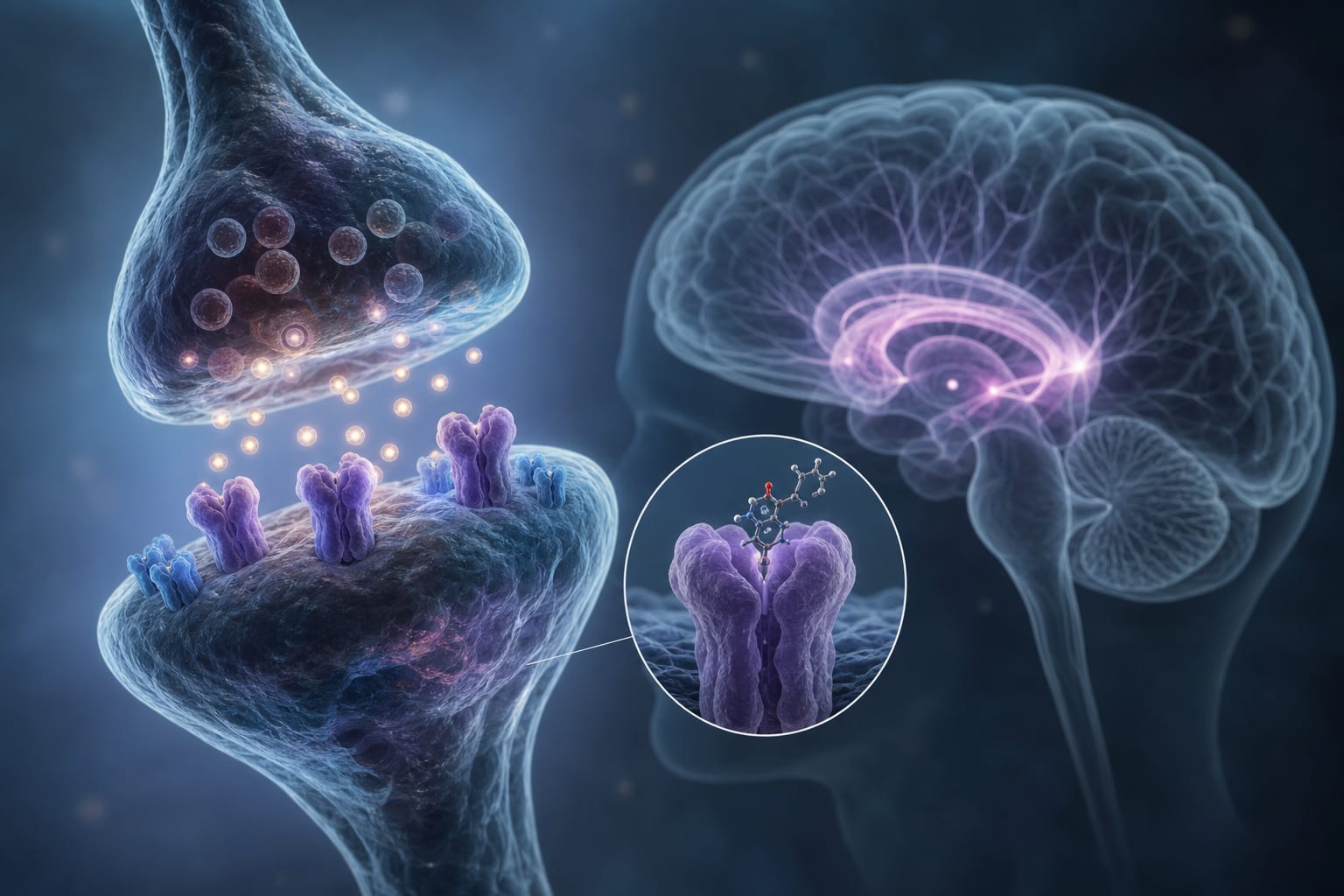
The Frustration Tolerance Breakdown Theory in Substance Use Disorders
Clinical Scorecard: The Frustration Tolerance Breakdown Theory in Substance Use Disorders
At a Glance
| Category | Detail |
|---|
| Condition | Substance Use Disorders (SUDs) |
| Key Mechanisms | Frustration's role in moderating motivation for drug-seeking behavior. |
| Target Population | Individuals with Substance Use Disorders exhibiting frustration brake failure. |
| Care Setting | Research and clinical settings focusing on SUD treatment strategies. |
Key Highlights
- Frustration is proposed as a critical factor influencing drug-seeking behavior in SUDs.
- Individuals with SUDs may continue drug-seeking despite significant frustrations.
- The frustration brake failure hypothesis suggests a disruption in the expected role of frustration.
- Targeting neurobiological mechanisms may restore frustration's moderating effect on motivation.
- Existing hypotheses on SUDs do not adequately address the role of frustration.
Guideline-Based Recommendations
Diagnosis
- Consider frustration tolerance as a factor in assessing substance use disorders.
Management
- Explore therapeutic approaches that target frustration-related mechanisms.
Monitoring & Follow-up
- Monitor levels of frustration in individuals with SUDs to assess motivation dynamics.
Risks
- Increased risk of relapse due to unrestrained drug-seeking behavior in frustrating contexts.
Patient & Prescribing Data
Individuals diagnosed with Substance Use Disorders.
Focus on interventions that address frustration and its impact on motivation.
Clinical Best Practices
- Incorporate frustration tolerance assessments into SUD treatment plans.
- Develop strategies that help patients manage frustration to reduce drug-seeking behavior.
Related Resources & Content