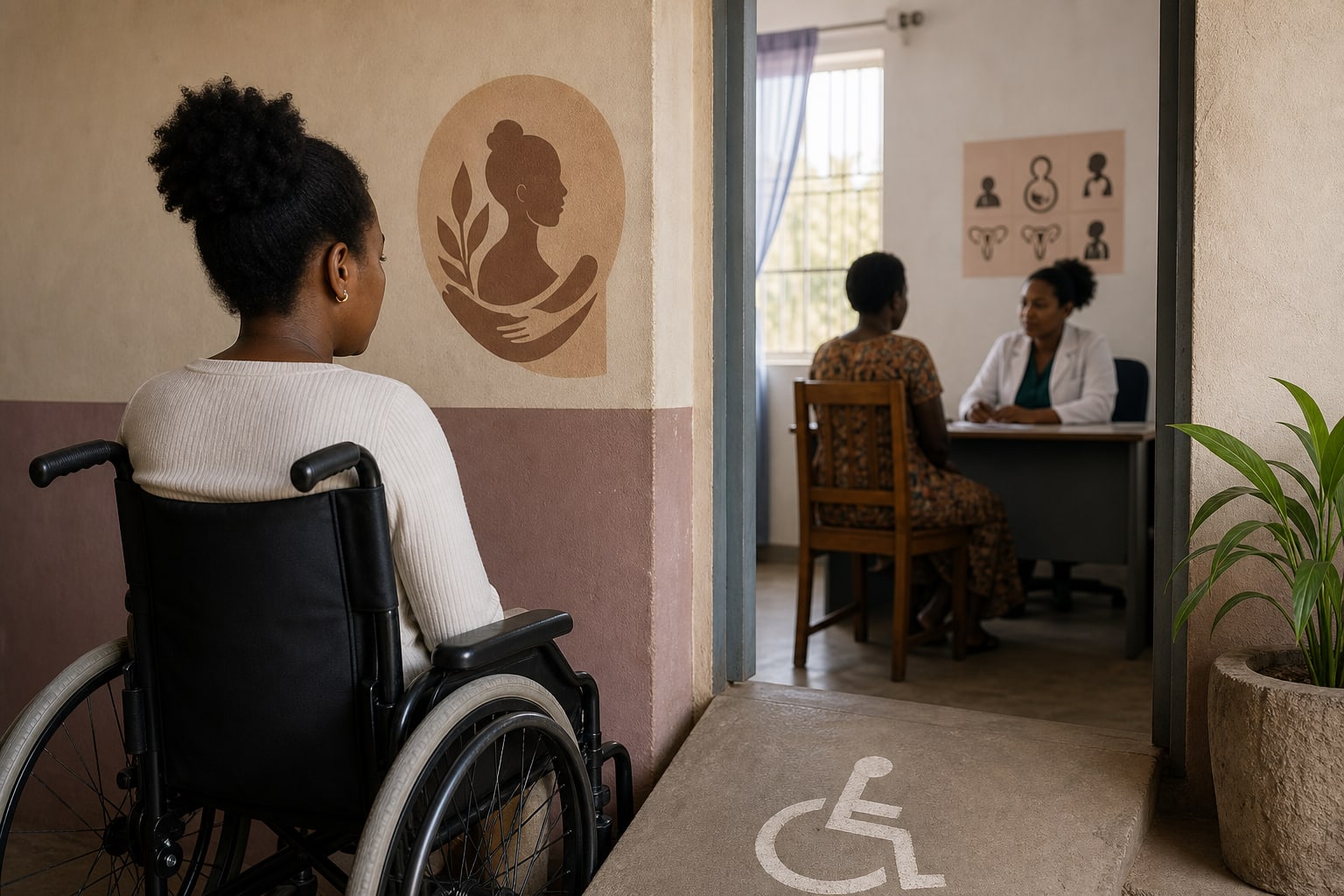
Factors Influencing Access to Sexual and Reproductive Health Services for Women with Intellectual Disabilities
By
Hiwot Temesgen Andualem
Susan A. Bartels
Tewodros Seyoum
Bilen Mekonnen Araya
Beata Batorowicz
Heather M. Aldersey
July 16, 2026
Clinical Scorecard: Factors Influencing Access to Sexual and Reproductive Health Services for Women with Intellectual Disabilities
At a Glance
Category Detail
Condition Intellectual Disabilities Key Mechanisms Barriers and facilitators impacting access to sexual and reproductive healthcare. Target Population Women with intellectual disabilities aged 15-49 in Gondar, Ethiopia. Care Setting Community-based rehabilitation and healthcare services.
Key Highlights
Women with intellectual disabilities face stigma and discrimination in accessing sexual and reproductive healthcare. Barriers include lack of education, misconceptions, and inadequate healthcare infrastructure. Community-based rehabilitation plays a role in improving access to services. Guideline-Based Recommendations
Diagnosis
Management
Monitoring & Follow-up
Risks
Increased vulnerability to physical, mental, and sexual abuse. Limited access to education and resources regarding sexual and reproductive health. Patient & Prescribing Data
Women with intellectual disabilities in Ethiopia.
Access to sexual and reproductive health services is critical for improving health outcomes.
Clinical Best Practices
Ensure culturally appropriate and disability-inclusive interventions. Enhance education and awareness regarding sexual and reproductive health needs. Related Resources & Content