Risk factors and outcomes of bailout procedures during laparoscopic cholecystectomy for acute cholecystitis: the BOLAC study - Scorecard - MDSpire

Risk factors and outcomes of bailout procedures during laparoscopic cholecystectomy for acute cholecystitis: the BOLAC study

  • By

  • Marco Ceresoli

  • Francesca Graziano

  • Niccolò Allievi

  • Luca Ansaloni

  • Matelda Bencini

  • Ilaria Benzoni

  • Pietro Bisagni

  • Luigi Boccia

  • Bruno Branciforte

  • Diletta Cassini

  • Daniele Del Fabbro

  • Michele Fogliata

  • Marco Garatti

  • Luca Ghirardelli

  • Antonio Guadalaxara

  • Guglielmo Guerrazzi

  • Marco Lotti

  • Diego Mariani

  • Michele Marini

  • Enrico Pinotti

  • Andrea Pisani Ceretti

  • Eliana Spada

  • Andrea Spota

  • Nereo Vettoretto

  • Luca Nespoli

  • July 15, 2026

Share

Clinical Scorecard: Identifying Risk Factors and Outcomes of Emergency Interventions in Laparoscopic Cholecystectomy for Acute Cholecystitis: Insights from the BOLAC Study

At a Glance

CategoryDetail
ConditionAcute Cholecystitis
Key MechanismsBailout procedures to prevent bile duct injury during laparoscopic cholecystectomy.
Target PopulationAdults with acute calculous cholecystitis undergoing emergency laparoscopic cholecystectomy.
Care SettingMulticenter hospitals in Northern Italy.

Key Highlights

  • Bailout procedures include laparoscopic subtotal cholecystectomy and conversion to open surgery.
  • The study aims to define the incidence of bailout procedures and identify risk factors.
  • Postoperative complications include bile leaks and surgical site infections.
  • Surgeon experience and institutional culture influence the decision to perform bailout procedures.
  • Data collected from 22 hospitals over a two-year period.

Guideline-Based Recommendations

Diagnosis

  • Diagnosis of acute calculous cholecystitis confirmed by clinical, biochemical, and radiological criteria.

Management

  • Early laparoscopic cholecystectomy is the therapeutic gold standard.

Monitoring & Follow-up

  • Postoperative complications should be systematically recorded and graded.

Risks

  • Bailout procedures may reduce bile duct injury but increase rates of postoperative complications.

Patient & Prescribing Data

Adults aged over 18 with acute calculous cholecystitis.

Bailout procedures are necessary when the critical view of safety cannot be achieved.

Clinical Best Practices

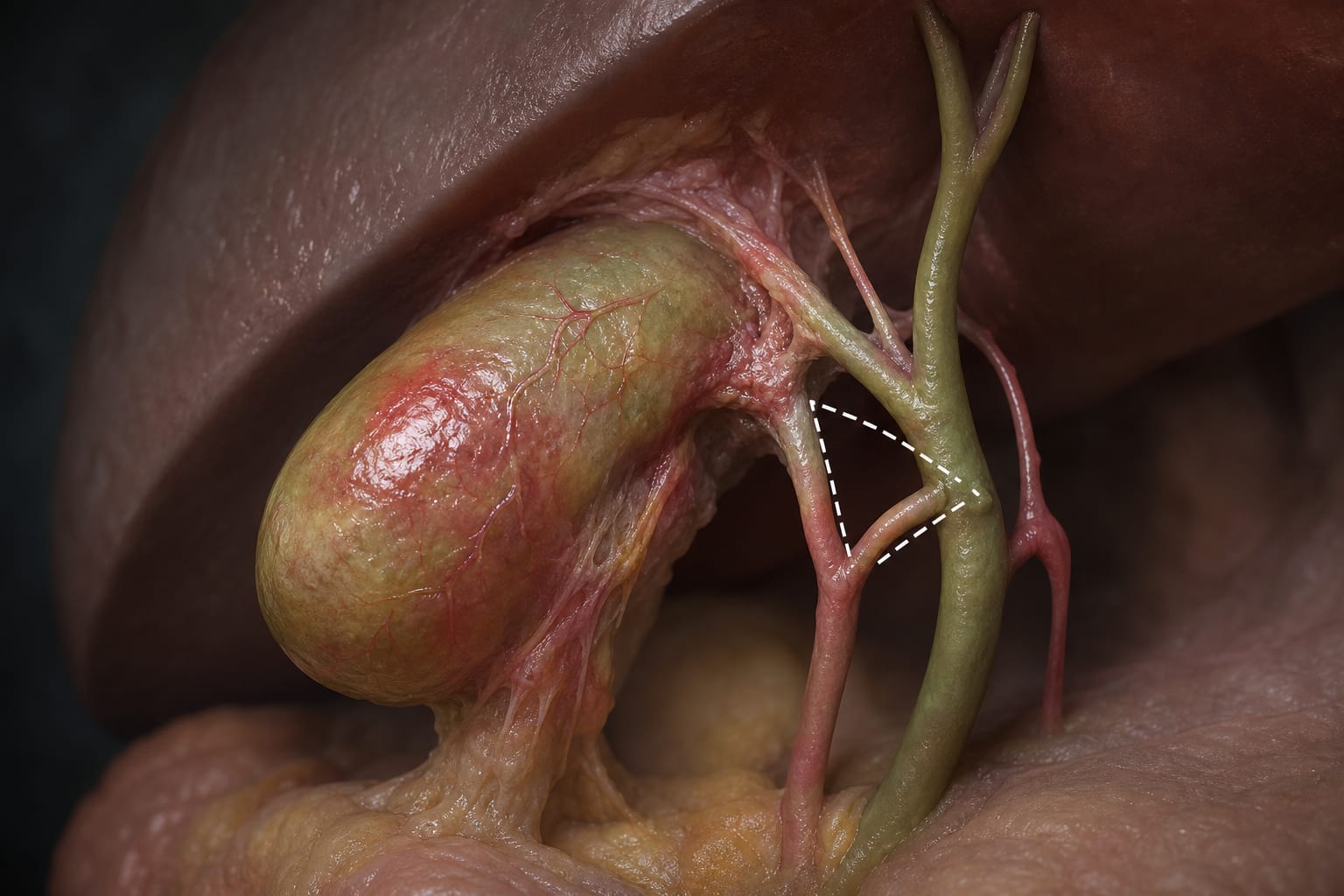
  • Achieve the Critical View of Safety as a prerequisite for safe cholecystectomy.
  • Consider surgeon experience and institutional resources when planning surgery.

Related Resources & Content

Original Source(s)

Related Content