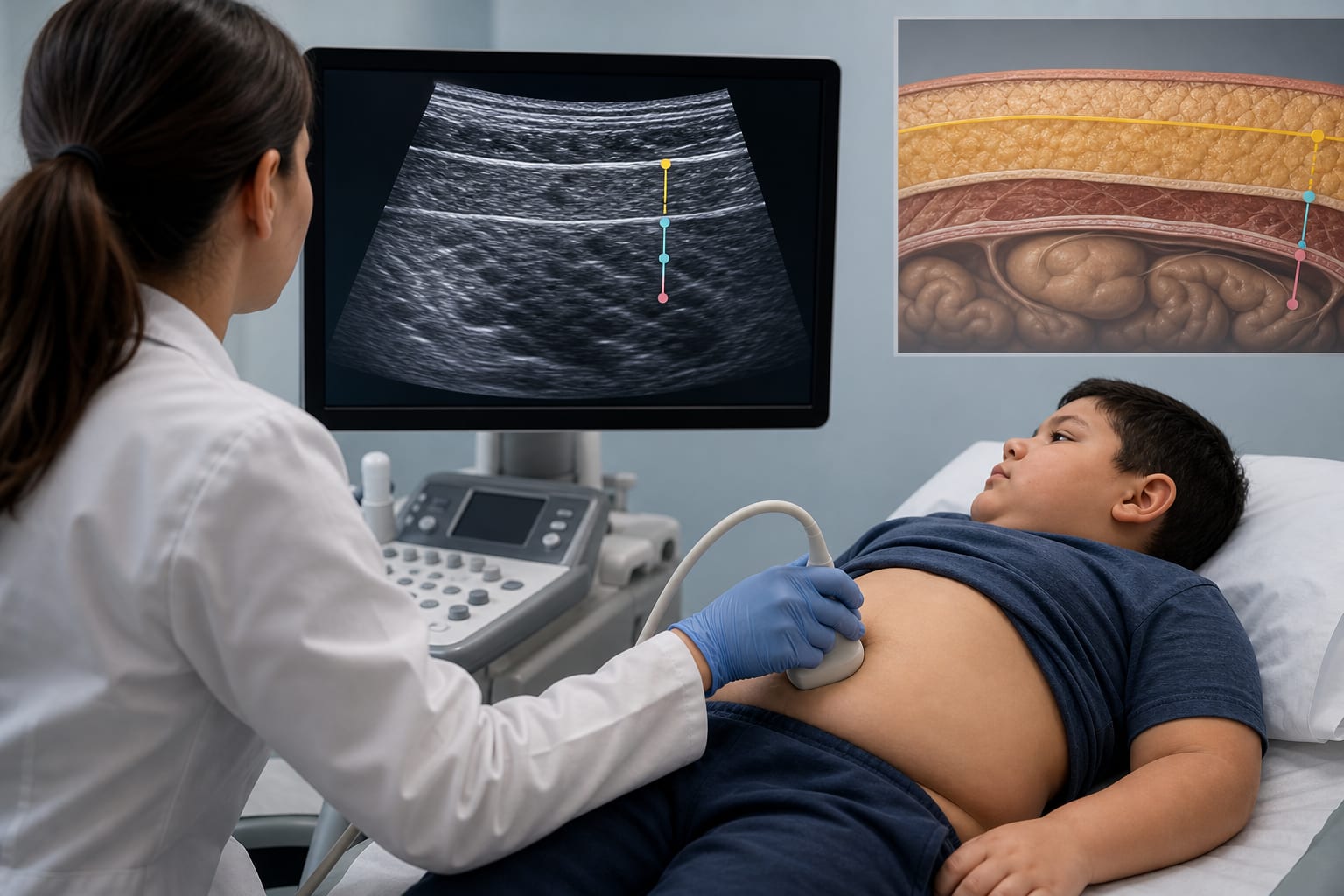
Clinical Scorecard: Metabolomics: An Emerging Approach for Addressing Prevention, Diagnosis, and Management of Obesity
At a Glance
Category
Detail
Condition
Childhood obesity
Key Mechanisms
Global profiling of plasma and fecal metabolites linked to body fat distribution and metabolic pathways influencing obesity
Target Population
Children aged 6 to 9 years (prepubertal cohort)
Care Setting
Pediatric clinical care and research settings
Key Highlights
Plasma and fecal metabolites show positive and negative associations with BMI, BMI Z score, and body fat indicators in children.
Metabolomics may enable early identification of children at risk for obesity before clinical signs appear.
Metabolite profiles could serve as therapeutic targets and monitoring tools for dietary and medical interventions in pediatric obesity.
Guideline-Based Recommendations
Diagnosis
Consider metabolomic profiling to identify metabolic signatures associated with obesity risk before clinical adiposity develops.
Management
Incorporate dietary interventions that influence beneficial metabolites (e.g., diets rich in whole grains, nuts, fruits, vegetables, fish).
Explore metabolite-targeted therapies such as antiobesity medications guided by metabolomic changes.
Monitoring & Follow-up
Use changes in plasma and fecal metabolites as biomarkers to assess adherence and response to lifestyle or pharmacologic treatments.
Risks
Recognize limitations of cross-sectional metabolomic studies and lack of established causality.
Avoid unethical interventions such as randomized high-fat diets in children.
Patient & Prescribing Data
Children with obesity or at risk of obesity aged 6 to 9 years
Antiobesity medications show more significant changes in BMI percentile than lifestyle alone, but metabolomic changes with these treatments remain unstudied.
Clinical Best Practices
Control for confounders such as pubertal status when assessing metabolomic data in pediatric populations.
Use metabolomics alongside traditional anthropometric measures to improve early detection and personalized management of obesity.
Promote dietary patterns similar to the New Nordic or Mediterranean diets to favor protective metabolite profiles.
Recognize the potential of metabolomics to guide preventive strategies before obesity onset and to monitor treatment efficacy.