Glaucoma Group Therapy Video: Allo-Fail - Scorecard - MDSpire
Advertisement
Glaucoma Group Therapy Video: Allo-Fail
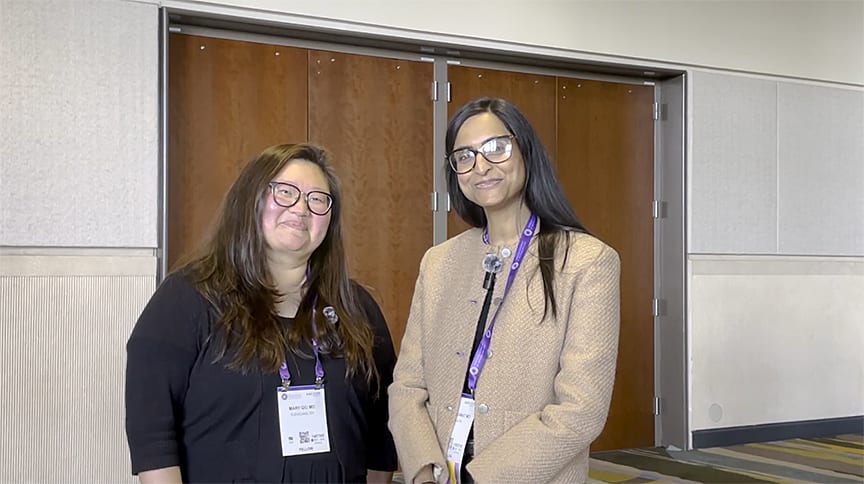
During the Glaucoma Group Therapy session at AAO 2025, moderated by Mary Qiu, MD, and Aakriti Garg Shukla, MD, MSc, presenters discussed challenging cases.
Clinical Scorecard: Glaucoma Group Therapy Video: Allo-Fail
At a Glance
Category
Detail
Condition
Glaucoma with elevated intraocular pressure
Key Mechanisms
Use of superchoroidal device (AlloFlo Uveo) to reduce eye pressure; complications include cleft closure causing pressure spike
Target Population
Patients with glaucoma refusing incisional surgery
Care Setting
Specialized ophthalmology clinics and surgical centers
Key Highlights
AlloFlo Uveo superchoroidal device can initially reduce intraocular pressure in glaucoma patients.
Cleft closure after device implantation can cause a significant spike in eye pressure.
Tube shunt surgery may be required if device fails and patient consents to surgery.
Guideline-Based Recommendations
Diagnosis
Monitor intraocular pressure closely after implantation of superchoroidal devices.
Identify cleft closure as a cause of sudden pressure spikes.
Management
Temporize elevated eye pressure conservatively if patient refuses surgery initially.
Consider tube shunt surgery for pressure control if device fails and patient consents.
Monitoring & Follow-up
Regular follow-up visits to assess intraocular pressure and device function, especially within first weeks post-implantation.
Risks
Potential for cleft closure leading to massive intraocular pressure spikes.
Failure of superchoroidal device requiring additional surgical intervention.
Patient & Prescribing Data
Glaucoma patients refusing incisional surgery
Superchoroidal device implantation may provide initial pressure control but requires close monitoring for complications; surgical options remain necessary if device fails.
Clinical Best Practices
Educate patients on risks and benefits of superchoroidal devices versus incisional surgery.