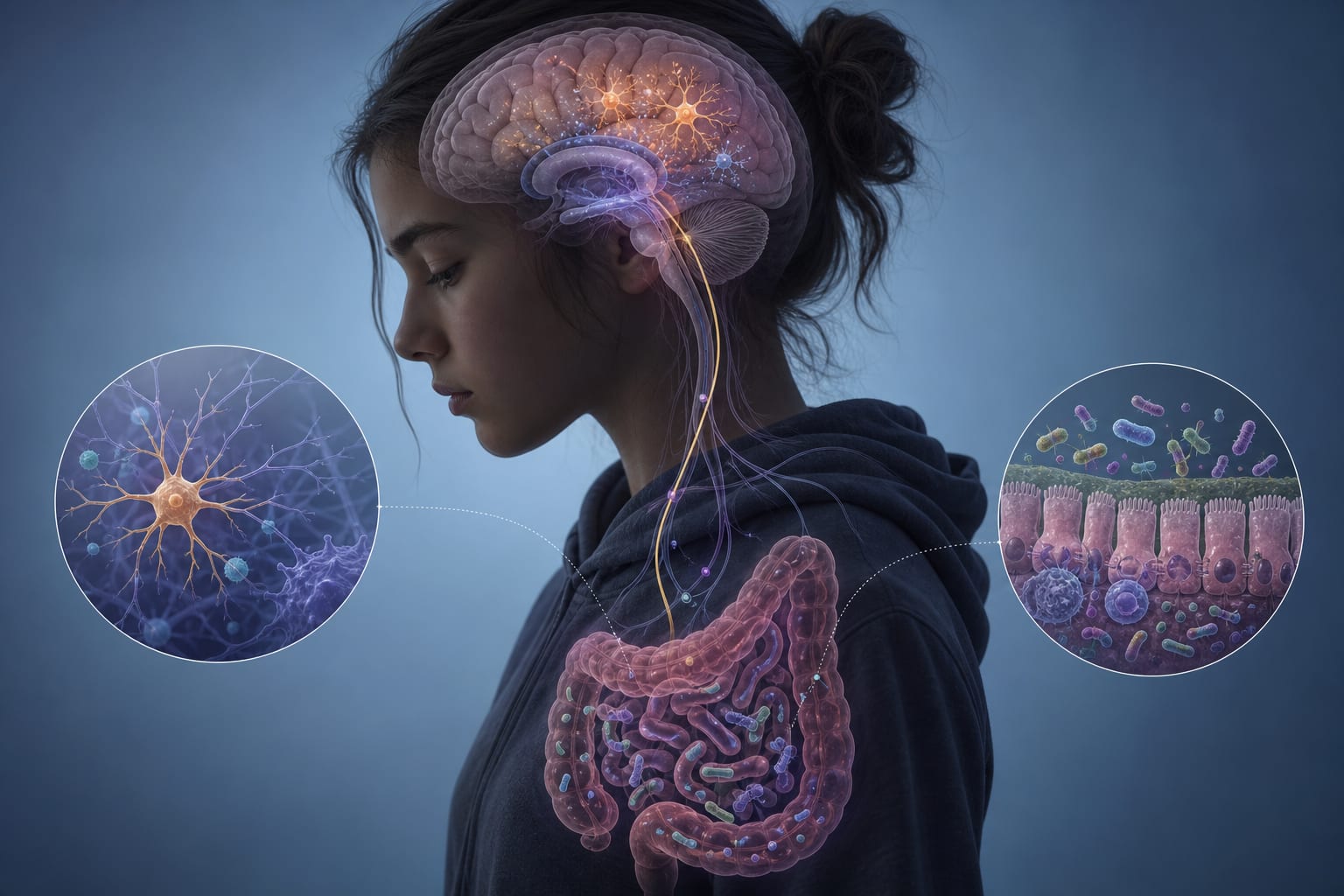
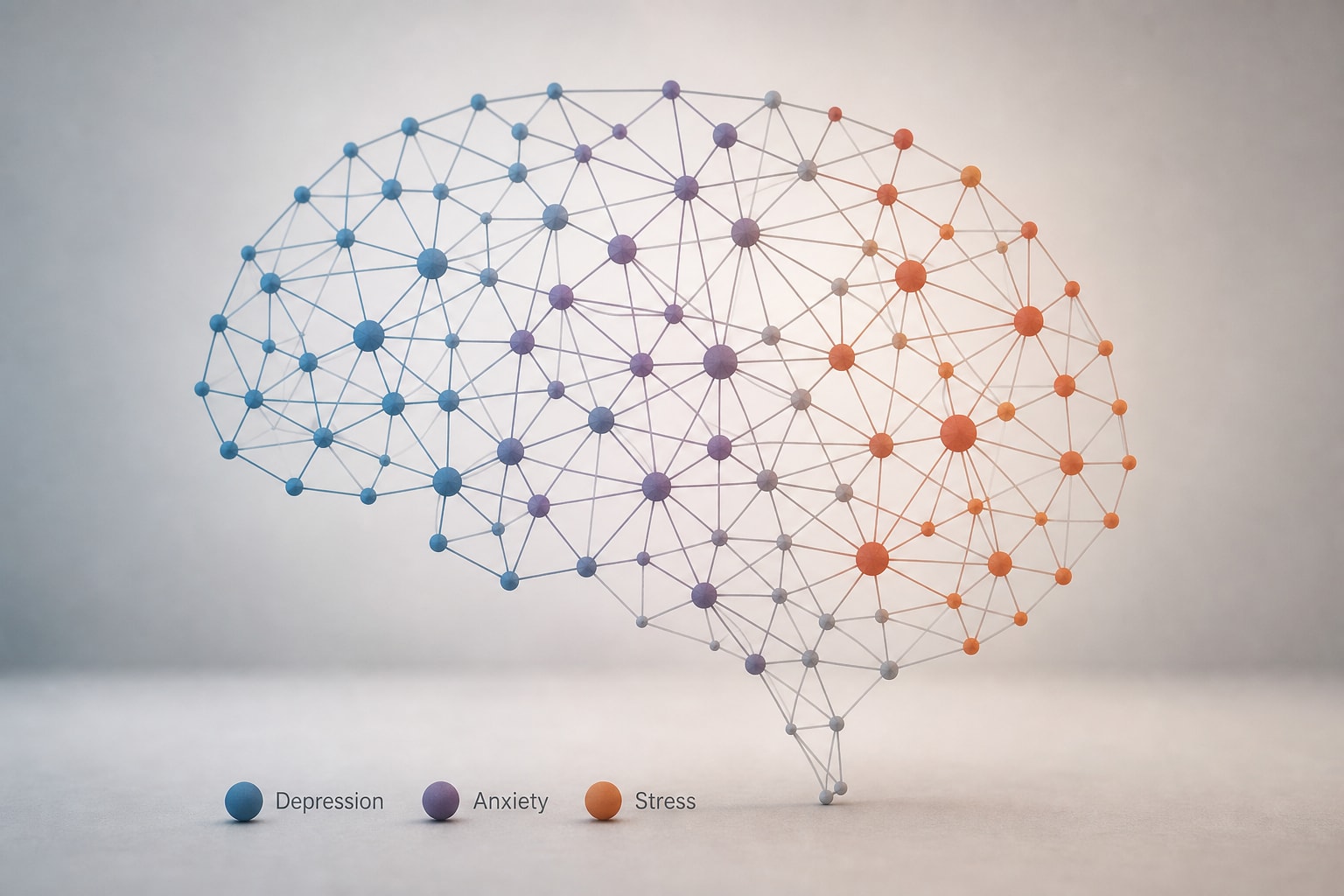
Clinical Scorecard: Gut-Brain Communication, Neuroinflammation, and the Biological Foundations of Depression in Adolescents During a Dual-Sensitive Developmental Period
At a Glance
Category
Detail
Condition
Adolescent Depression
Key Mechanisms
Dysregulated gut-brain communication, low-grade inflammation, altered HPA-axis responsivity, and changes in neurotransmitter metabolism.
Target Population
Adolescents
Care Setting
Clinical and research settings focusing on mental health and developmental psychology.
Key Highlights
Adolescence is a dual-sensitive period for brain and gut microbiota maturation.
Prevalence of adolescent depression increased from 8.1% to 15.8% between 2009 and 2019.
Gut microbiota dysbiosis may be linked to depressive symptoms in adolescents.
Current SSRIs show limited efficacy and potential risks in adolescents.
Microbiota-informed approaches may offer adjunctive strategies for prevention.
Guideline-Based Recommendations
Diagnosis
Assess for depressive symptoms using standardized screening tools.
Management
Consider psychobiotics and dietary optimization as adjunctive strategies.
Monitoring & Follow-up
Regularly evaluate treatment efficacy and side effects, especially with SSRIs.
Risks
Monitor for activation syndrome and potential suicide risk associated with SSRIs.
Patient & Prescribing Data
Adolescents with depression.
SSRIs have small and unimportant efficacy in this population; alternative strategies are needed.
Clinical Best Practices
Integrate longitudinal studies and multi-omics profiling in research.
Focus on adolescent-specific intervention trials to clarify causality.