Pathogenic profiles and antimicrobial resistance in neutropenic acute leukemia patients: diagnostic potential of sTNF-R1 and IL-8 - Scorecard - MDSpire
Advertisement
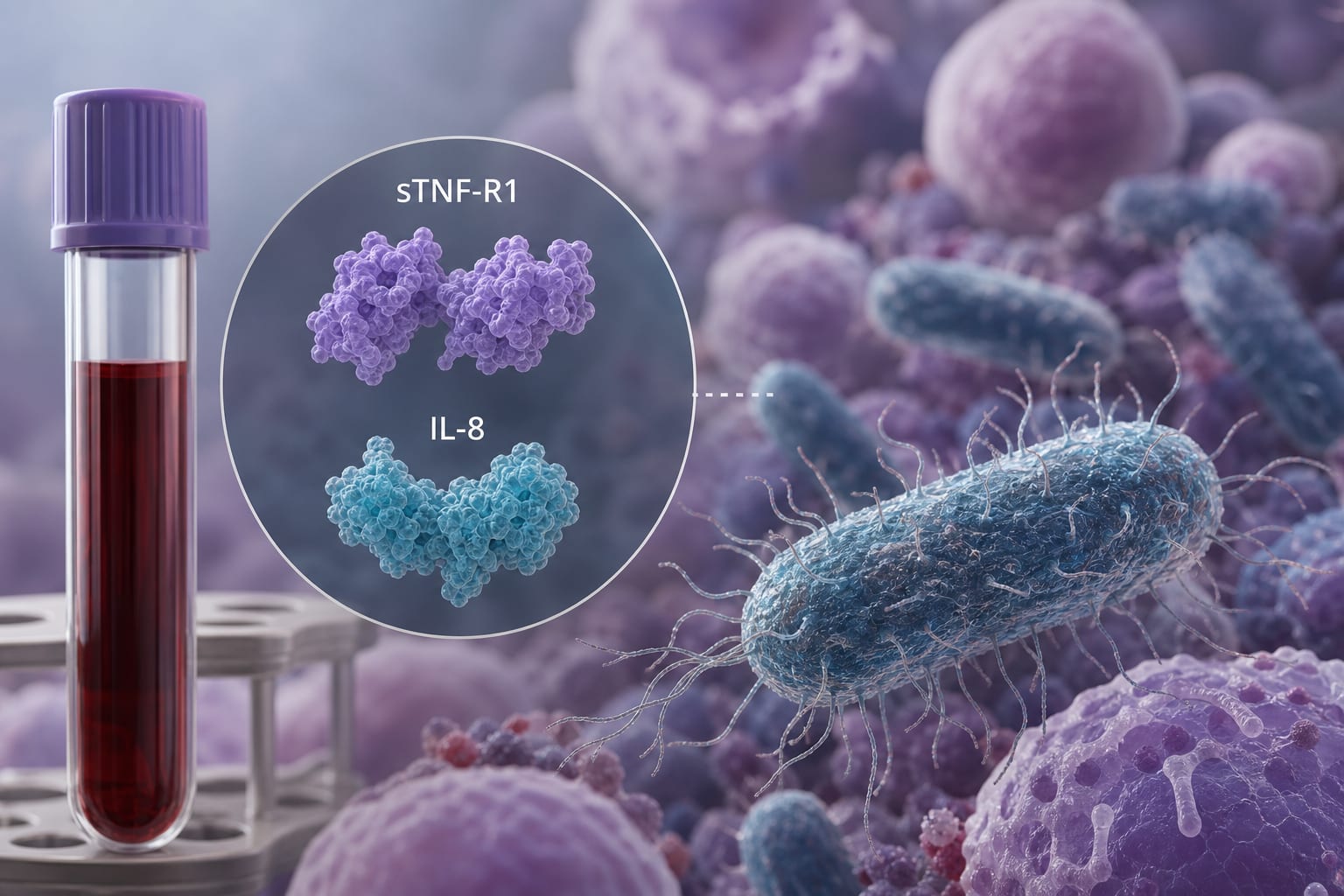
Pathogenic profiles and antimicrobial resistance in neutropenic acute leukemia patients: diagnostic potential of sTNF-R1 and IL-8
Clinical Scorecard: Infectious Profiles and Antimicrobial Resistance in Neutropenic Patients with Acute Leukemia: Evaluating the Diagnostic Role of sTNF-R1 and IL-8
At a Glance
Category
Detail
Condition
Acute Leukemia (AL) during Neutropenia
Key Mechanisms
Elevated levels of sTNF-R1 and IL-8 associated with infection
Target Population
Patients with acute leukemia experiencing neutropenia
Care Setting
Hospitalized patients undergoing chemotherapy
Key Highlights
The study emphasizes the importance of early diagnosis of infections in neutropenic AL patients.
Guideline-Based Recommendations
Diagnosis
Utilize sTNF-R1 and IL-8 as biomarkers for early detection of infections in neutropenic AL patients.
Management
Implement timely antimicrobial therapy based on identified pathogens and resistance patterns.
Monitoring & Follow-up
Regularly assess white blood cell counts and albumin levels in neutropenic patients.
Risks
Increased risk of life-threatening infections due to profound myelosuppression from chemotherapy.
Patient & Prescribing Data
142 patients with acute leukemia during neutropenia
High antimicrobial resistance rates necessitate careful selection of empirical therapy.
Clinical Best Practices
Conduct microbiological cultures from suspected infection sites for accurate pathogen identification.
Monitor inflammatory cytokine levels to assess infection risk and severity in neutropenic patients.