Closing the Pediatric Eye Care Gap
Who gets a pediatric eye exam — and who doesn’t?
Clinical Scorecard: Closing the Pediatric Eye Care Gap
At a Glance
| Category | Detail |
|---|
| Condition | Pediatric eye diseases including amblyopia, strabismus, and uncorrected refractive error |
| Key Mechanisms | Barriers to access including socioeconomic factors, health insurance status, and parental education |
| Target Population | Children under 18 years old |
| Care Setting | Ophthalmology clinics and eye care services |
Key Highlights
- Only 39.5% of children received an eye examination in the past year.
- Age is the strongest predictor of receiving an eye exam.
- Parental education level significantly influences access to eye care.
- Economic barriers, such as lack of insurance, greatly affect eye examination rates.
- Children living with unmarried parents had higher odds of receiving eye exams.
Guideline-Based Recommendations
Diagnosis
- Implement regular screening for amblyopia and refractive errors in children.
Management
- Develop referral pathways that consider economic barriers and access issues.
Monitoring & Follow-up
- Track eye examination rates across different sociodemographic groups.
Risks
- Children at highest risk for visual problems are least likely to receive care.
Patient & Prescribing Data
Children under 18, particularly those from low-income households or with low parental education.
Targeted outreach initiatives are necessary to improve access to eye care.
Clinical Best Practices
- Ensure follow-through on referrals for eye examinations.
- Address cost-related barriers to accessing eye care services.
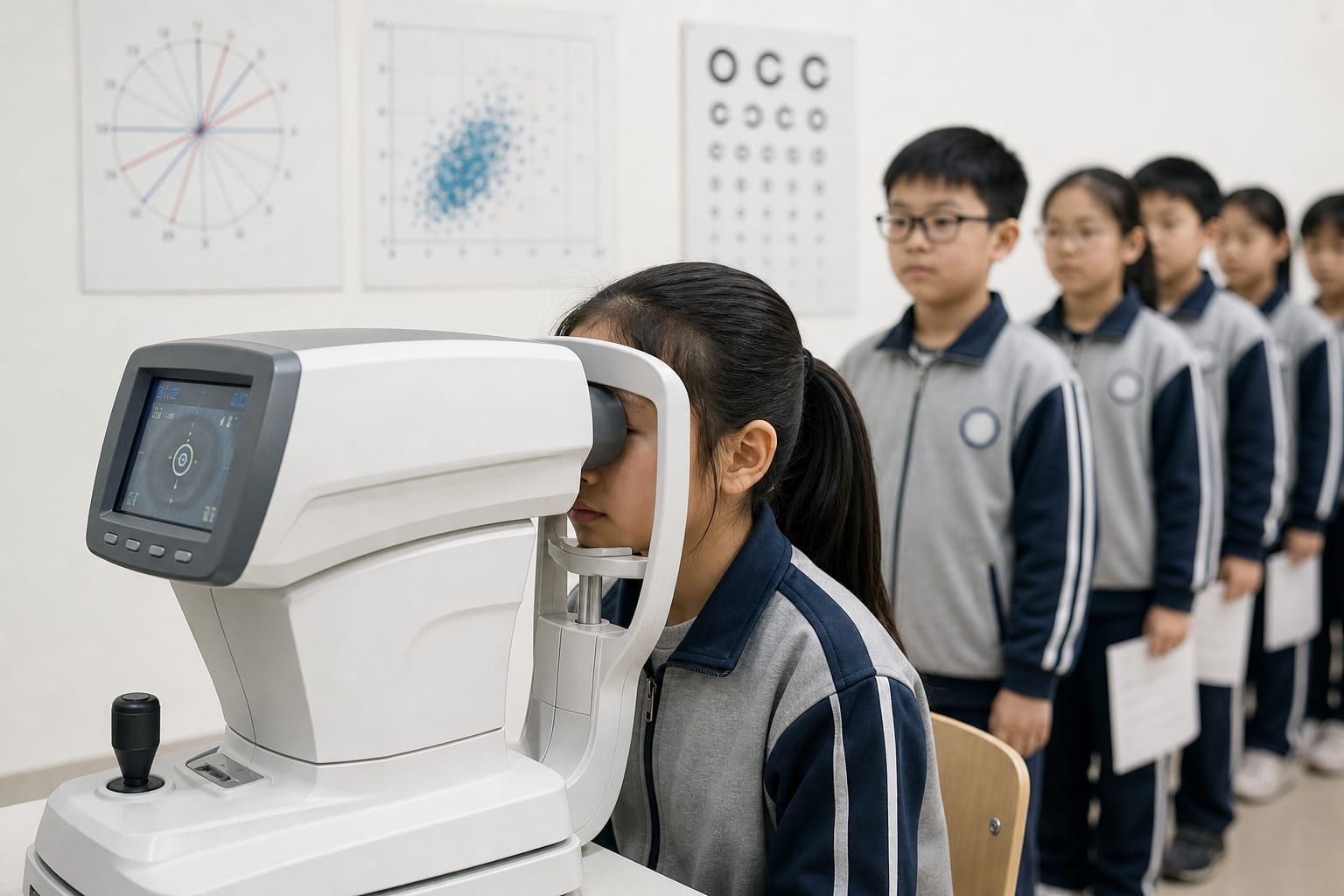
- Utilize school screening and teacher referrals to identify at-risk children.
References