Treatment of a Goldenhar Syndrome Patient With Zygomatic and Pterygoid Implants Using the PATZi Protocol: A Case Report
-
By
-
Dan Holtzclaw
-
September 1, 2026
-
Clinical Scorecard: Treatment of a Goldenhar Syndrome Patient With Zygomatic and Pterygoid Implants Using the PATZi Protocol: A Case Report
At a Glance
| Category | Detail |
|---|
| Condition | Goldenhar syndrome |
| Key Mechanisms | Congenital disorder affecting craniofacial structures, leading to malocclusion and dental complications. |
| Target Population | Adults with Goldenhar syndrome requiring dental restoration. |
| Care Setting | Dental implant treatment in a clinical setting. |
Key Highlights
- Goldenhar syndrome affects 1 in 5,600 live births and is associated with craniofacial anomalies.
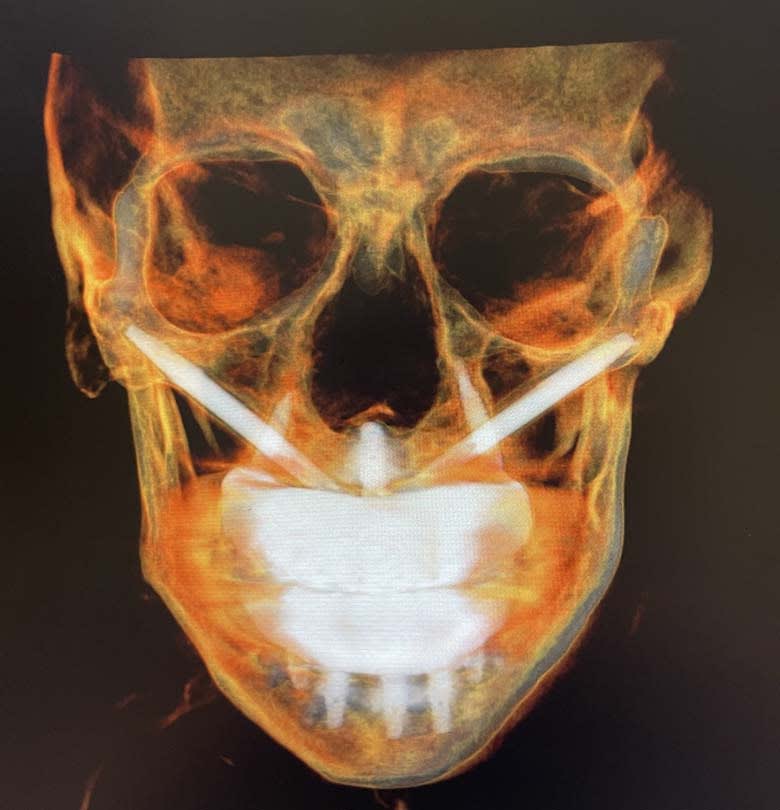
- The patient received zygomatic and pterygoid implants using the PATZi protocol.
- Successful dental implant treatment documented with nearly 5 years of follow-up.
- Challenges include malocclusion and underdevelopment of craniofacial structures.
- No prior documentation of dental implant treatment in adults with Goldenhar syndrome.
Guideline-Based Recommendations
Diagnosis
- Diagnosis based on clinical presentation and imaging studies.
Management
- Utilization of zygomatic and pterygoid implants for prosthetic restoration.
Monitoring & Follow-up
- Yearly maintenance and follow-up for implant function.
Risks
- Increased potential for decay and periodontal disease due to craniofacial anomalies.
Patient & Prescribing Data
61-year-old female with Goldenhar syndrome.
Combination of zygomatic, pterygoid, and conventional implants used for restoration.
Clinical Best Practices
- Consultation with medical providers prior to surgery.
- Careful evaluation for anesthesia due to airway complications.
- Use of remote anchorage fixtures for challenging craniofacial structures.
Related Resources & Content