Immunity: defense against infections essential for all living organisms
-
By
-
Srinivas Akula
-
Sara Wernersson
-
Lars Hellman
-
June 23, 2026
-
Clinical Scorecard: Defense Mechanisms: Vital Protection Against Infections for All Living Beings
At a Glance
| Category | Detail |
|---|
| Condition | Infection Defense Mechanisms |
| Key Mechanisms | Innate and adaptive immunity, including apoptosis-like mechanisms, restriction enzymes, CRISPR-Cas system, pattern recognition receptors, antimicrobial peptides, and phagocytosis. |
| Target Population | All living organisms, including bacteria, eukaryotes, and multicellular organisms. |
| Care Setting | Understanding immune responses across various species. |
Key Highlights
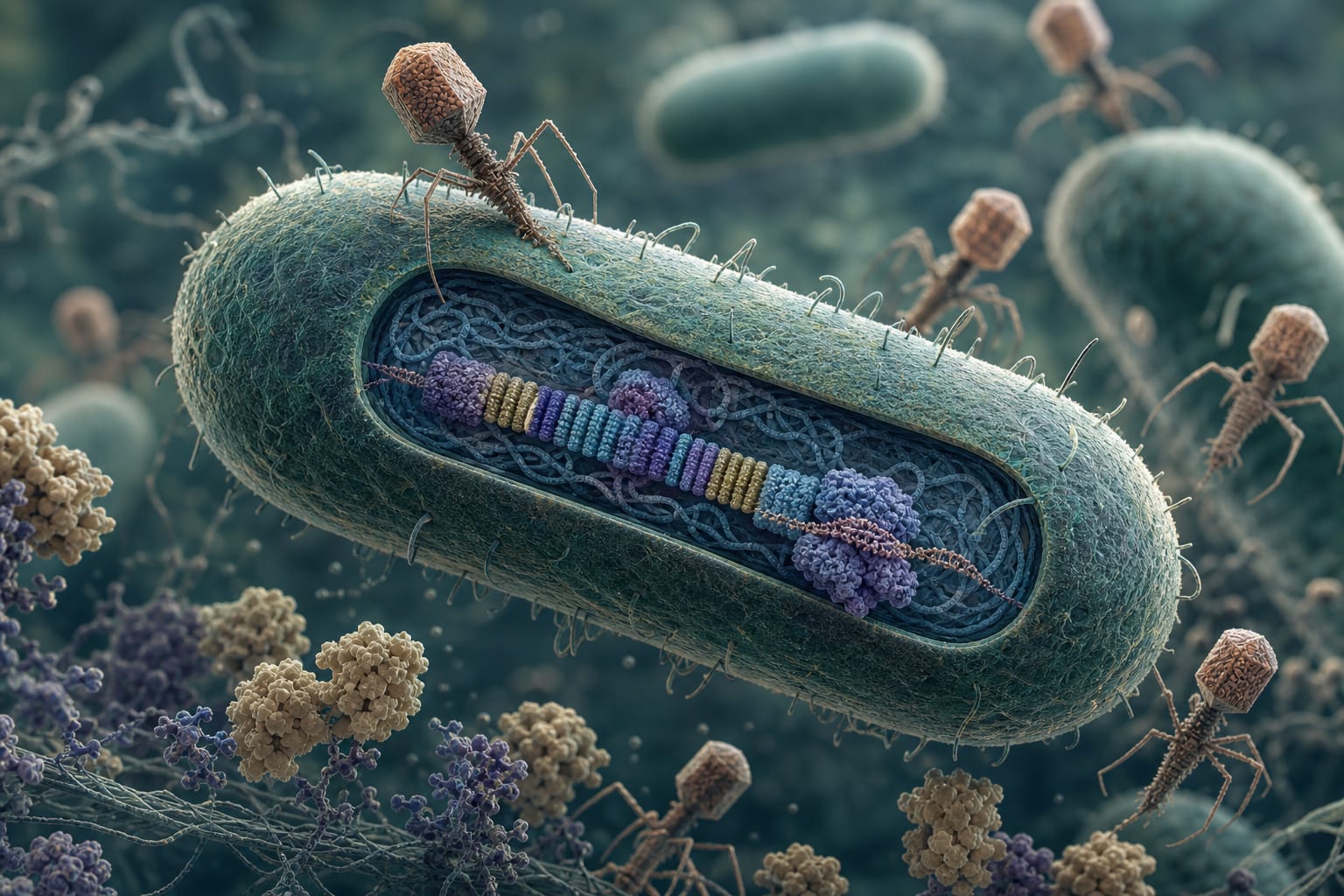
- Bacteria possess complex defense systems against bacteriophages, including CRISPR-Cas.
- Eukaryotic immunity involves both innate and adaptive mechanisms.
- Adaptive immunity is present in jawless fishes, challenging previous assumptions.
- Innate immune mechanisms are ancient and found in most multicellular organisms.
- Mammalian adaptive immunity includes highly variable immunoglobulins and T-cell receptors.
Guideline-Based Recommendations
Diagnosis
Management
Monitoring & Follow-up
Risks
Patient & Prescribing Data
Not applicable as the article discusses immune mechanisms across species.
Not applicable as the article does not provide treatment insights.
Clinical Best Practices
- Recognize the diversity of immune mechanisms across different organisms.
- Understand the role of both innate and adaptive immunity in infection defense.
Related Resources & Content