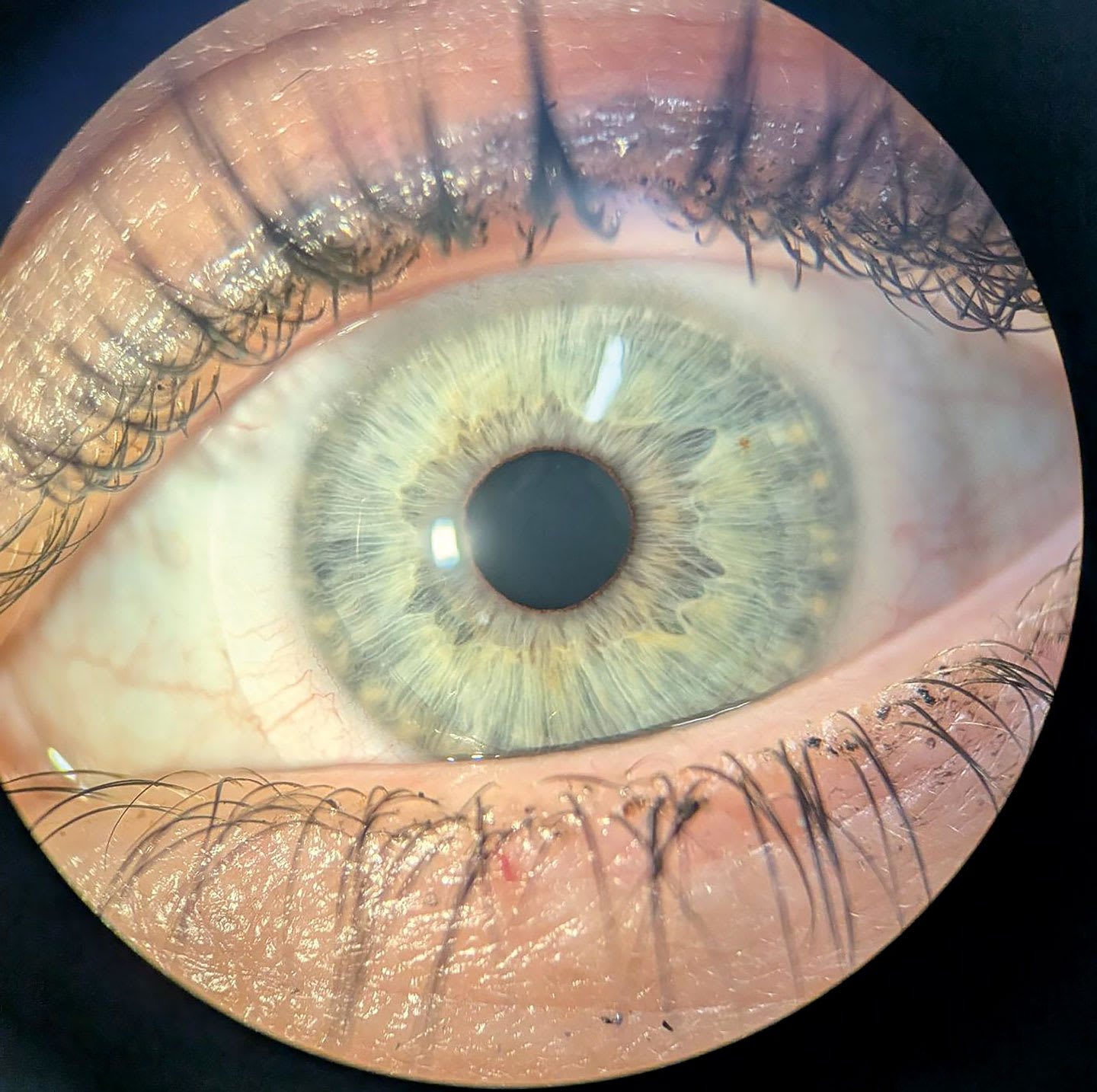
Contact Lens Case Reports: <br>Specialty Lens Compliance and Replacement</br>
Clinical Scorecard: Contact Lens Case Reports: Specialty Lens Compliance and Replacement
At a Glance
| Category | Detail |
|---|
| Condition | Specialty Contact Lens Compliance |
| Key Mechanisms | Periodic follow-up appointments and lens care are critical to prevent complications. |
| Target Population | Patients requiring specialty contact lenses, particularly those with high astigmatism. |
| Care Setting | Ophthalmology and optometry practices. |
Key Highlights
- Patient with high astigmatism fitted with scleral lenses achieved 20/20 vision.
- Failure to attend follow-up appointments led to severe lens deposits and reduced visual acuity.
- Re-education on compliance and care improved patient's vision and lens condition.
- Annual lens replacement and additional treatments were necessary for optimal lens performance.
- Complications can arise from non-compliance, especially in patients prone to lens deposition.
Guideline-Based Recommendations
Diagnosis
- Regular assessments of lens fit and ocular health are essential.
Management
- Educate patients on the importance of compliance with lens care and follow-up appointments.
Monitoring & Follow-up
- Schedule periodic follow-up visits to assess lens condition and ocular health.
Risks
- Increased risk of complications such as lens deposits and reduced visual acuity from non-compliance.
Patient & Prescribing Data
Adolescents and adults requiring specialty contact lenses.
Use of saline for lens filling and hydrogen peroxide for cleaning; importance of rub step in disinfection.
Clinical Best Practices
- Tailor lens care recommendations based on individual patient needs and ocular conditions.
- Encourage regular follow-up appointments to monitor lens performance and ocular health.
- Implement annual lens replacement schedules for patients prone to lens deposition.
Related Resources & Content