Comparative study of three treatment approaches on overall survival and treatment response in nasopharyngeal carcinoma patients: network meta-analysis of RCTs (4221 patients) - Scorecard - MDSpire
Advertisement
Comparative study of three treatment approaches on overall survival and treatment response in nasopharyngeal carcinoma patients: network meta-analysis of RCTs (4221 patients)
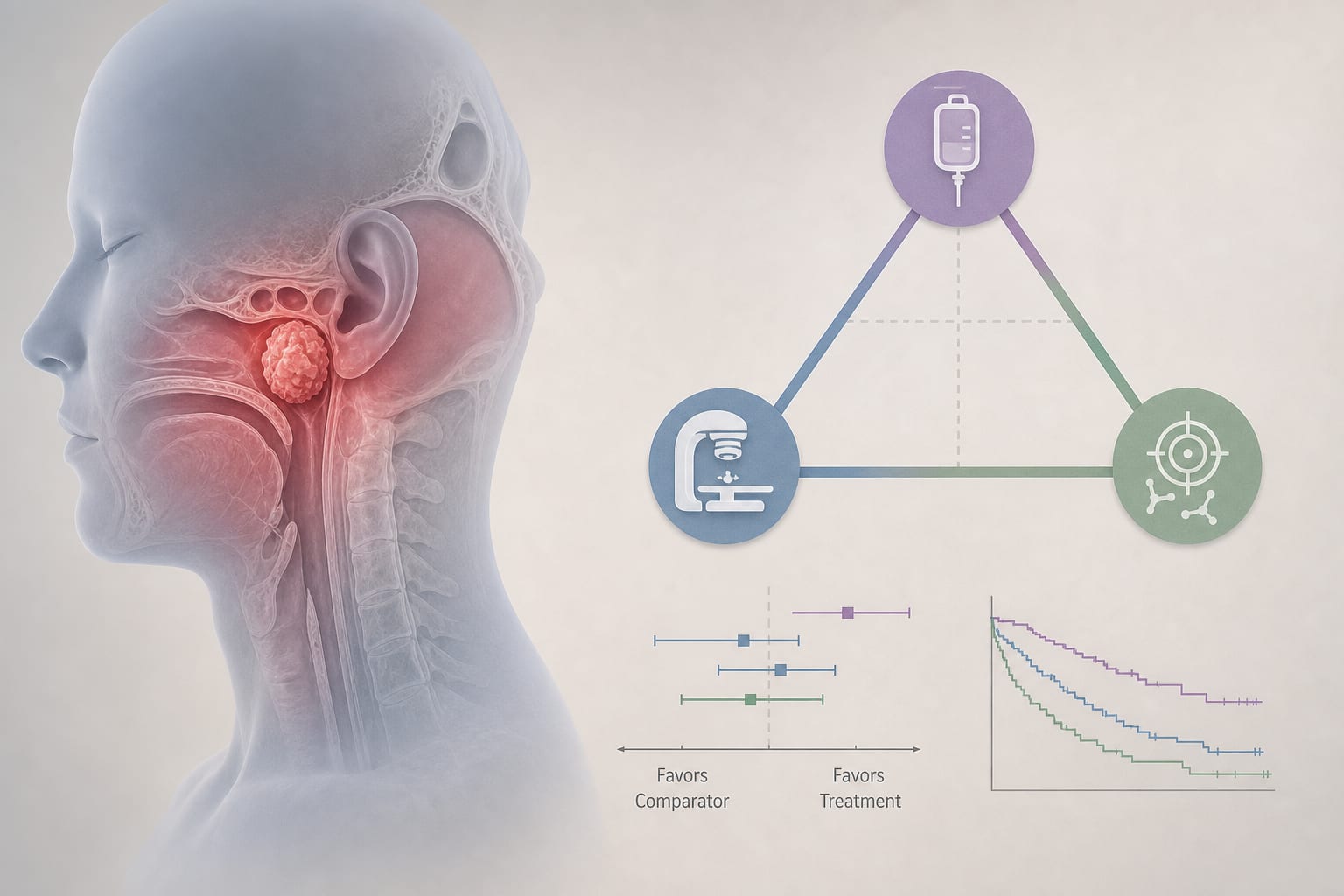
Clinical Scorecard: Network Meta-Analysis of Randomized Controlled Trials Evaluating Three Treatment Modalities for Overall Survival and Response in Patients with Nasopharyngeal Carcinoma (4221 Participants)
At a Glance
Category
Detail
Condition
Nasopharyngeal carcinoma
Key Mechanisms
Induction chemotherapy, targeted therapy, and radiotherapy
Target Population
Patients with nasopharyngeal carcinoma
Care Setting
Clinical decision-making for treatment strategies
Key Highlights
Induction chemotherapy shows significant survival benefit compared to control (HR = 0.37)
Dr. Alicia Morgans of Dana-Farber Cancer Institute reported at #ASCO26 that ARACOG found darolutamide was associated with less decline in cognitive testing than enzalutamide, which may help guide treatment choice.
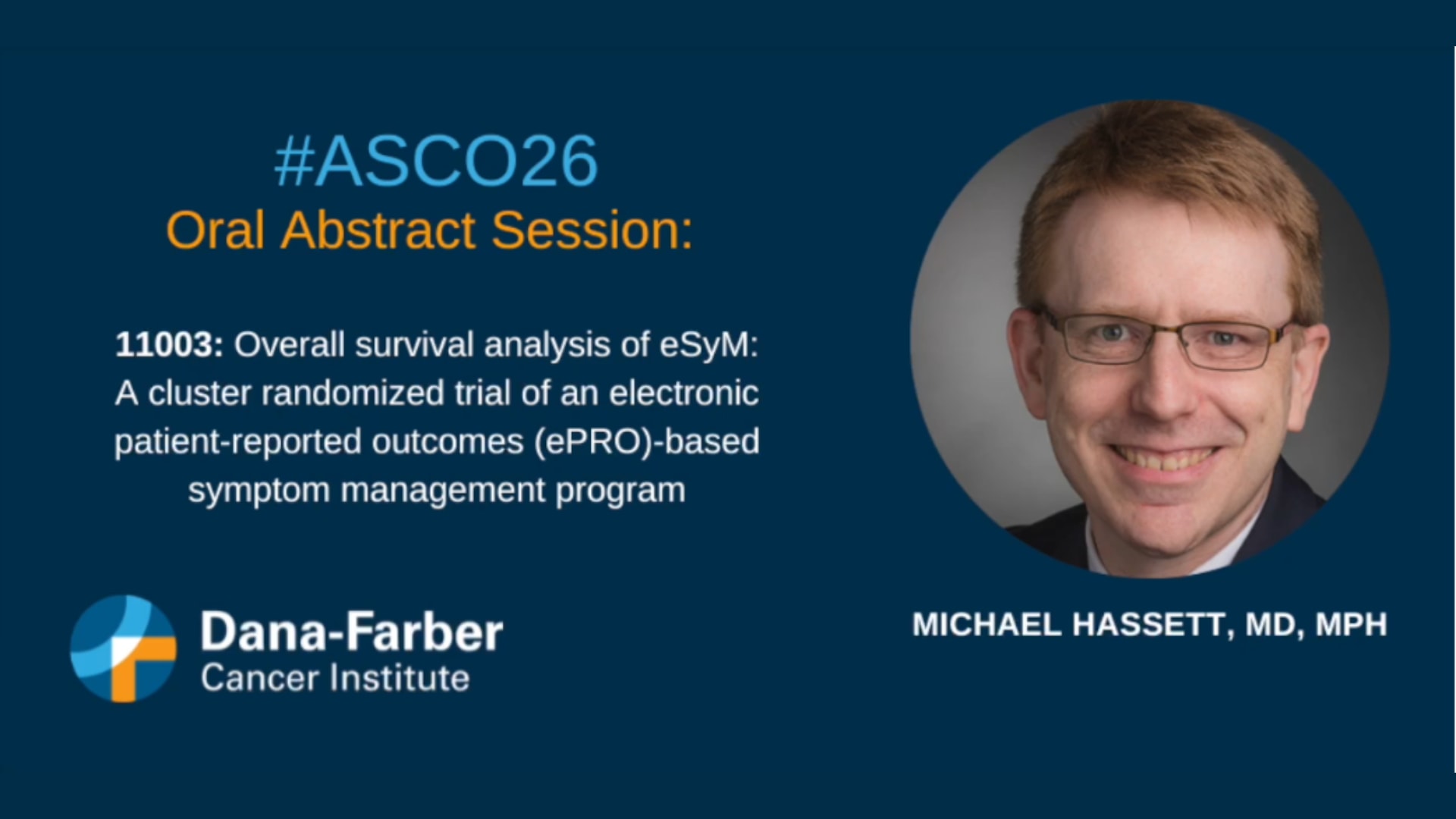
Dr. Michael Hassett of Dana-Farber Cancer Institute shared new findings showing deployment of eSyM, an ePRO-based, EHR-integrated symptom management program, was associated with statistically significant and potentially meaningful improvements in overall survival. Strategies to improve adoption of ePRO-based symptom management may be warranted.