Clinical Scorecard: Identifying Risk Factors for Bone Microarchitecture Deficiencies in Elderly Males with Type 2 Diabetes: Insights from the MrOS Study
At a Glance
Category
Detail
Condition
Type 2 Diabetes Mellitus (T2DM) associated bone fragility
Key Mechanisms
Smaller bone size, altered cortical area and thickness, increased cortical porosity with longer diabetes duration, and insulin use linked to cortical deficits and lower bone strength
Target Population
Older men aged 65 years and above with T2DM
Care Setting
Outpatient clinical and research settings with access to HR-pQCT imaging
Key Highlights
Older men with T2DM have smaller total cross-sectional and cortical bone areas compared to non-diabetic men.
Longer diabetes duration (≥10 years) is associated with higher cortical porosity and increased trabecular thickness at the distal radius.
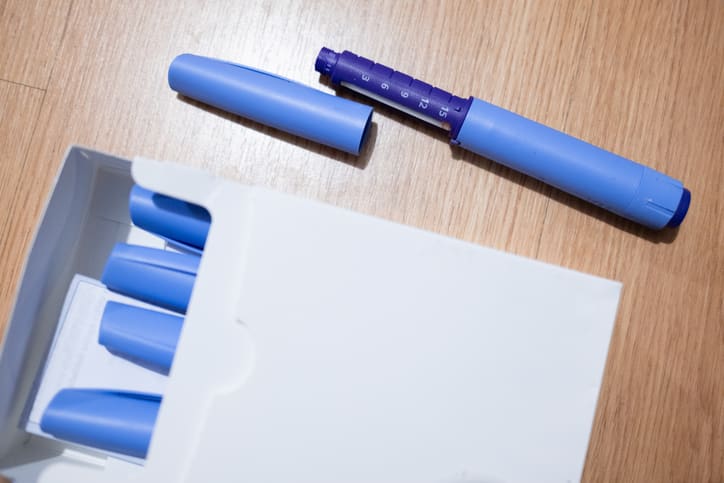
Insulin use correlates with lower cortical area, thickness, and failure load at multiple skeletal sites, increasing fracture risk.
Guideline-Based Recommendations
Diagnosis
Ascertain T2DM status by self-report or medication use.
Use HR-pQCT imaging to assess bone microarchitecture parameters including cortical area, thickness, porosity, and bone strength.
Management
Monitor bone health in older men with T2DM, especially those with longer disease duration and insulin use.
Consider interventions targeting bone fragility beyond areal bone mineral density measurements.
Monitoring & Follow-up
Regular assessment of bone microarchitecture and strength using HR-pQCT where available.
Monitor glycemic control (HbA1c) and diabetes duration as factors influencing bone quality.
Risks
Increased risk of nonvertebral fractures associated with lower cortical area, thickness, bone mineral density, and failure load in T2DM men.
Higher mortality following fractures in patients with T2DM compared to non-diabetic individuals.
Patient & Prescribing Data
Older men with type 2 diabetes mellitus
Insulin use is associated with cortical bone deficits and reduced bone strength, indicating the need for careful bone health monitoring in insulin-treated patients.
Clinical Best Practices
Incorporate assessment of bone microarchitecture using HR-pQCT in older men with T2DM to identify skeletal fragility not detected by standard DXA.
Recognize that normal or higher areal BMD in T2DM does not exclude bone quality deficits.
Focus on diabetes duration and insulin use as key factors influencing bone health and fracture risk.
by Malak Faraj, Ann V Schwartz, Andrew J Burghardt, Dennis Black, Eric Orwoll, Elsa S Strotmeyer, Eric Vittinghoff, Marta Fogolari, Silvia Angeletti, Giuseppe Banfi, Giovanni Lombardi, Gina Woods, Li-Yung Lui, Mary Bouxsein, Nicola Napoli
This week's research makes one thing clear: who someone is before they get sick — their relationships, their partner's health, the back of their eye — is doing a lot of work medicine is only beginning to account for.
In a target-trial emulation of more than 600,000 veterans, GLP-1 RA initiators saw fewer new substance use disorders—and patients with existing SUDs had fewer overdoses, hospitalizations, and deaths.